
Modified on: 12/08/2026
Not one smell, and not only terpenes
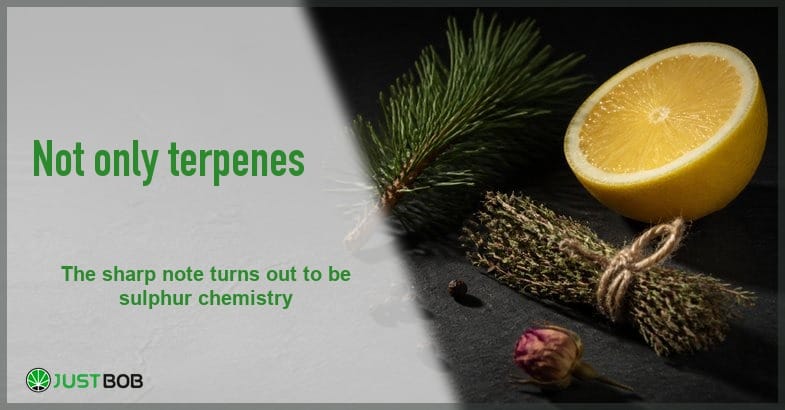
Ask what weed smells like and you will be told terpenes, which is true and incomplete. Terpenes explain the earthy, citrus and pine notes people reach for first. They do not explain the sharpest note of all, the one that gave a whole family of varieties its nickname, and until fairly recently nobody could say what did.
-
 Max CBDAMNESIA CBD BOOSTStarting from: 0,85€/g
Glasshouse | CBD<40%
Grams5 10 20 50 100 200 400 -
Max CBDAK47 CBD BOOSTStarting from: 1,45€/g
Indoor | CBD<47%
Grams5 10 20 50 100 200 -
Max CBDCHARAS
CBD HASH | CBD<45%
Starting from:FLASH SALE -10%
0,90€0,80€/gGrams5 10 20 50 100 200 -
JB OIL 25%Starting from: 14,90€
CBD Oil 25%
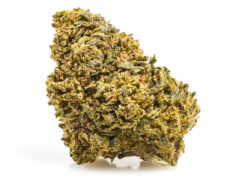
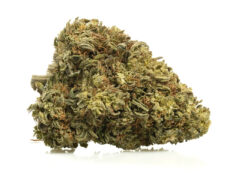
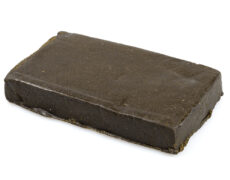
This guide covers both halves: the aromatic compounds that build the familiar profile, the separate chemistry behind the sharp note, and why the same flower can smell noticeably different from one month to the next.
Where most of the scent comes from
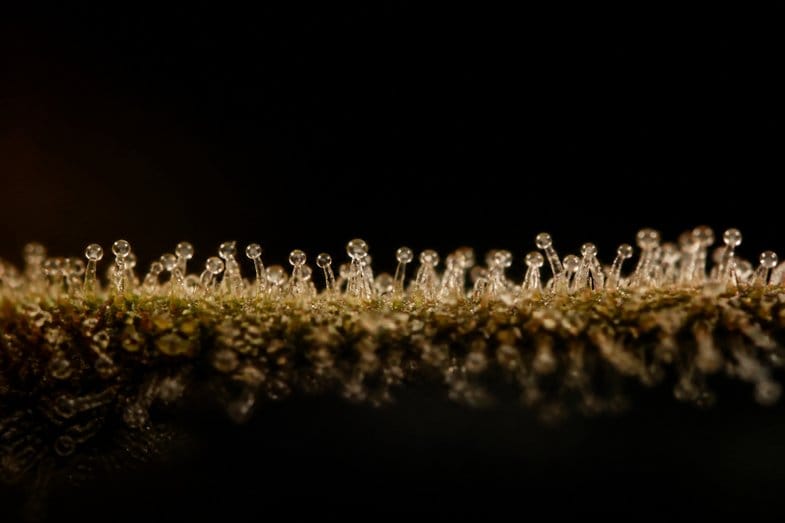
The bulk of it is terpenes, volatile organic compounds produced in the resin glands on the surface of the flower. They are not exclusive to this plant: the same molecules turn up across the botanical world, which is why the vocabulary borrows so freely from fruit and forest.
Three carry most of the description:
- Myrcene, earthy and slightly herbal, the note people describe as musky.
- Limonene, citrus and bright, the same compound that dominates the fragrant oil in orange and lemon peel.
- Pinene, resinous and green, exactly what the name suggests.
Blend those in different proportions, add a dozen minor ones, and you have the profile of a given batch.
Read also: Hemp Flower Aroma Notes: A Clear Scent Vocabulary
The part most articles get wrong
For years the sharp, penetrating note at the top of many profiles was attributed to terpenes as well, usually to myrcene. It never quite fitted: no terpene smells like that.
The answer arrived in 2021, when researchers using two-dimensional gas chromatography identified a new family of prenylated volatile sulphur compounds in the plant. Sulphur, not terpene chemistry. The same broad class of molecule that gives garlic and, less politely, skunk spray their carrying power.
Which is why that note behaves so differently from the rest. Sulphur compounds are detectable at vanishingly small concentrations, so a trace of them dominates a profile built from far larger quantities of terpene.
Why the same flower changes over time
Aromatic compounds are volatile by definition, and they do not leave at the same rate.
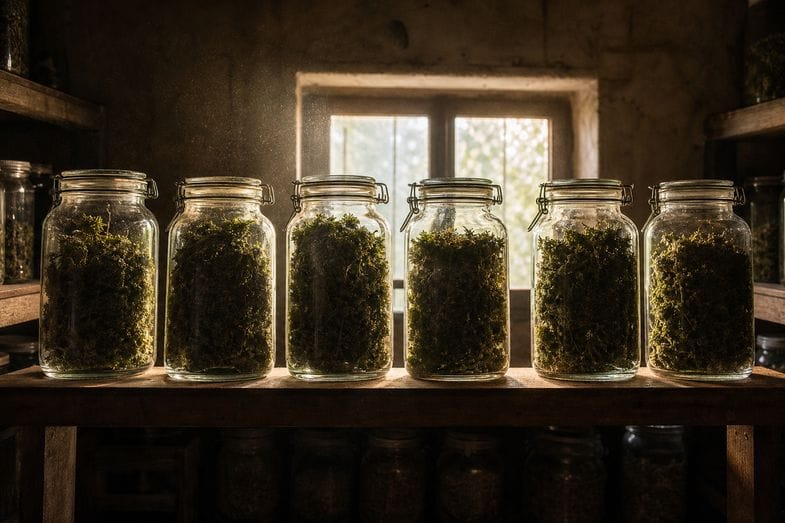
The lighter, brighter molecules go first, which is why a citrus-forward batch tends to lose its top note before it loses its earthy base. Drying sets the starting point, curing shapes it, and storage decides how long it lasts. Warmth accelerates everything, light degrades what it touches, and an open container is simply a slow leak.
A profile described on a listing is therefore a description of a batch at a moment. Read our guide to reading scent notes for how those descriptions are built.
The words people actually use
Descriptive vocabulary for this plant is unusually rich, and worth knowing because listings use it.
Earthy and musky sit at the base. Citrus, lemon and bright describe the top. Pine and resinous cover the green end, floral and sweet the softer profiles, and sour, pungent and skunky the sharp one now known to be sulphur chemistry. Fuel and diesel appear too, which sounds unappealing written down and describes something quite specific to anyone who has met it.
None of these are quality grades. They are descriptions, in the same register a wine list uses.
What the smell does not tell you
This is the useful limit, and it gets ignored constantly.
Aroma is not a measurement. It does not tell you the cannabinoid content of a batch, it does not indicate how much THC is present, and a strong scent is not evidence of anything except a lot of volatile compounds. Those figures live on the certificate of analysis, produced in a laboratory, and no nose substitutes for it.
Nor does aroma separate hemp from anything else. A low-THC hemp flower is built from the same aromatic machinery as any other flower of the species, so it smells the way the species smells. That is precisely why the flower form causes so much confusion at borders and in shops: the scent carries no information about the number on the paperwork.
So, what does weed smell like?
Earthy and green underneath, with citrus or pine on top depending on the variety, and often a sharp sulphurous note that travels further than the rest and arrives first. Different at harvest, in a sealed jar, and after a warm month on a shelf.
Aroma descriptions on a Boost Weed listing are written to help you picture a batch before it arrives.
The same goes for a CBD flower one. The figures printed beside those descriptions come from the analysis, not from anyone’s nose.
Justbob sells for technical, ornamental and collector purposes.
Frequently asked questions about how weed smells
What does weed smell like?
Layered rather than singular. The base is usually earthy and musky, with citrus or pine on top depending on the variety, and many profiles carry a sharp, penetrating note as well. Terpenes such as myrcene, limonene and pinene account for most of it, while the sharp note comes from a separate family of compounds.
Why does some of it smell skunky?
Because of sulphur, not terpenes. Research published in 2021 identified a family of prenylated volatile sulphur compounds in the plant, chemically related to what gives garlic and skunk spray their carrying power. These compounds are detectable at extremely low concentrations, so a trace of them can dominate a profile made mostly of terpenes.
Does hemp smell different from other cannabis?
Not inherently. Low-THC hemp is the same species and produces the same families of aromatic compounds, so it smells the way the species smells. Aroma carries no information about cannabinoid content, which is one reason the flower form is harder to distinguish by eye or nose than by document.
Why does the same flower smell different after a while?
Because aromatic compounds evaporate, and not at the same rate. Lighter molecules leave first, so bright top notes fade before the earthy base does. Drying and curing set the starting profile, while heat, light, air and time steadily change it. A scent description on a listing describes a batch at a particular moment.