
Modified on: 17/09/2026
How to Talk About Hemp Flower Aroma
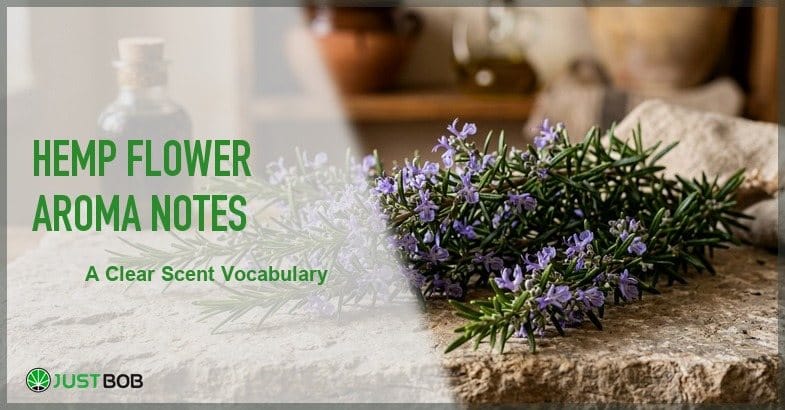
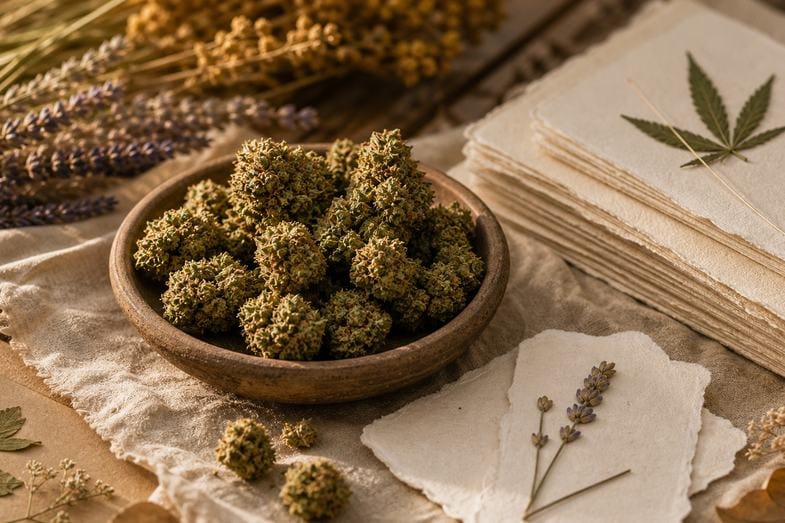
Aroma notes work best when they are restrained. They do not need to promise a story. Sometimes they just help you picture the flower more clearly: a little pine, a soft floral edge, a dry herbal base, a resinous finish that makes the description easier to remember. That is the real purpose of hemp flower aroma notes: to describe scent in a clear, natural, and consistent way.
For Justbob, aroma notes are a practical way to describe products. They help readers compare hemp flowers and CBD flower varieties though a shared scent vocabulary, not by personal promises. The tone should remain clean, botanical and specific. If a description reads like something from a well-organised botanical journal rather than an advertisement, it is probably on the right track.
-
 Max CBDAMNESIA CBD BOOSTStarting from: 0,85€/g
Glasshouse | CBD<40%
Grams5 10 20 50 100 200 400 -
Max CBDAK47 CBD BOOSTStarting from: 1,45€/g
Indoor | CBD<47%
Grams5 10 20 50 100 200 -
Max CBDCHARAS
CBD HASH | CBD<45%
Starting from:FLASH SALE -10%
0,90€0,80€/gGrams5 10 20 50 100 200 -
JB OIL 25%Starting from: 14,90€
CBD Oil 25%
In the past, online product descriptions often exaggerated every aromatic characteristic to make a flower sound more exciting. A more balanced approach is far more useful. Hemp flowers do not need theatrical copy to be interesting. Simple, accurate descriptions allow readers to understand what makes each variety unique. “Fresh pine and dry herbs” is informative. “Soft floral and earthy” is informative. A few carefully chosen words create a clear mental image while keeping the product description accurate and trustworthy.
What hemp flower aroma notes are
Hemp flower aroma notes are short descriptions of scent families. They can mention herbal, floral, citrus, woody, pine, earthy, fresh, fruity or resinous impressions. The best aroma notes help readers compare hemp flowers without asking scent language to do a job it cannot do.
The word “notes“ is useful because a hemp flower rarely expresses just one aroma. Many CBD flowers reveal different scent layers as they are observed more closely. One variety may open with fresh green notes before developing a dry herbal character. Another may be dominated by pine and resin, with subtle floral nuances in the background. Others may present an earthy profile complemented by delicate citrus hints. Good aroma notes capture these combinations naturally, without becoming overly technical or overly descriptive.
It is also important to distinguish between aroma notes and an aroma profile. Aroma notes are the individual descriptors—pine, citrus, floral, earthy, or resinous. The aroma profile combines those individual notes into a complete description of the flower’s overall scent. For example, a profile may describe a variety as fresh and pine-forward, with dry herbal undertones and a light floral finish. The individual notes are the building blocks that create this broader picture.
Ultimately, the best hemp flower aroma descriptions are the simplest ones. They make a product easier to understand, easier to compare, and easier to remember.
Read also: CBD Hash Aroma: Resin Notes And Texture Guide – Justbob
Why hemp flowers benefit from clear aroma descriptions
Hemp flowers are a natural product, and their aroma can vary subtly from one harvest to another. Shape, trimming, resin production, drying, curing, and storage conditions can all influence how a flower is ultimately perceived. These natural variations do not require overly technical explanations—they simply call for accurate, easy-to-understand language.
A well-written CBD flower product page should combine different types of information to give customers a complete picture. Photographs highlight the flower’s appearance and structure, product descriptions explain its aroma and characteristics, while laboratory analyses provide objective data related to the specific batch. Aroma notes belong to the descriptive part of the product page: they help customers understand the flower’s scent, but they are never a substitute for laboratory testing or product documentation.
People generally recognise scents more easily when they are compared with familiar natural references. Notes such as pine needles, lemon peel, dry herbs, lavender, bark, or resin immediately create a clear mental image. They are far more informative than generic adjectives that say very little about the flower itself. For example, describing a CBD flower as earthy, woody, and resinous provides readers with three distinct aromatic references, whereas a phrase like amazing aroma offers almost no useful information. This is the approach we prefer at Justbob: clear, honest, and botanical descriptions instead of exaggerated marketing language. Simple aroma notes make it easier to compare hemp flowers, understand their aromatic profile, and choose the variety that best matches individual preferences.
CBD flower and hemp flowers on the same scent map
CBD flowers and hemp flowers are often discussed together because they share the same botanical origins and many of the same aromatic characteristics. In this article, “CBD flower” refers to the commercial product, while “hemp flowers” describes the plant from a broader botanical perspective. Regardless of the terminology, the language used to describe aroma should always be clear, specific, and balanced.
When a product description mentions fresh pine, readers should immediately understand the general direction of the aroma. If a variety is described as floral and herbal, those notes should evoke familiar botanical scents rather than vague or exaggerated imagery. Likewise, earthy, woody, or resinous descriptors work best when they complement the product’s appearance and laboratory information instead of replacing objective details.
Using consistent aroma terminology also helps customers compare different CBD flower varieties more easily. Product categories can introduce the main characteristics of CBD flowers, while detailed guides and blog articles can explain how to interpret aroma notes and terpene profiles. Together, these resources provide a clearer understanding of each variety without overwhelming the reader.
Two CBD flower varieties may look almost identical at first glance, yet their aroma profiles can be very different. The purpose of aroma notes is to answer one simple question: “What does this flower smell like?” A clear, honest description helps customers compare CBD flowers with confidence, while exaggerated wording only makes product information less reliable. The simpler and more authentic the language, the more useful it becomes.
Common terpenes behind aroma notes
Common terpenes are often part of the background to aroma notes. Terpenes are aromatic compounds found in many plants, including the cannabis plant. Scientific research on cannabinoids and terpenes in Cannabis sativa gives useful technical context for names such as myrcene, limonene, linalool, and pinene.
For hemp flowers, the practical idea is simple: terpenes can help explain the vocabulary used to describe aromas. Limonene is commonly associated with citrus notes, pinene with pine and resinous impressions, linalool with floral characteristics, and myrcene with herbal or earthy descriptions. They provide a botanical reference for aroma language, but they should always remain a support tool rather than the main focus of the description.
Terpenes also help explain why hemp flower aroma profiles can differ from one product to another. Different varieties may have different terpene combinations, curing processes, and storage conditions, all of which can influence the final aromatic impression. The role of a good product description is to translate these differences into simple, recognisable language rather than presenting readers with a technical list of compounds.
Freshness, curing and product-page context
Freshness is one of the most tempting words in hemp flower aroma notes, so it needs to be used carefully. A fresh scent can suggest clean green notes, citrus brightness, or a clear pine edge. But freshness should not become a broad claim. It should be supported by the product description, appearance, and documentation.
Curing can also shape aroma. A well-described curing process may explain why hemp flowers are perceived as smoother, drier, more resinous, or more rounded in scent. How moisture affects hemp flower can therefore be useful to understand when comparing aroma, freshness and texture cues across different products. The article should not turn curing into a promise. It should use curing as context for aroma and product handling.
Storage matters too. Plant material can change over time, and aroma can become quieter if storage conditions are poor. A responsible product page should keep scent language close to real product checks, rather than letting it drift into decorative language. This is especially important when a reader compares several CBD flower products in a shop.
Good scent writing has a small discipline to it: describe what the page can reasonably support, then stop.
How Justbob connects notes, products and analyses
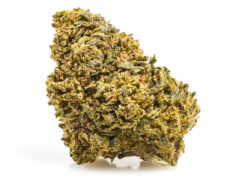
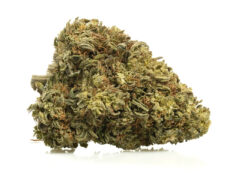
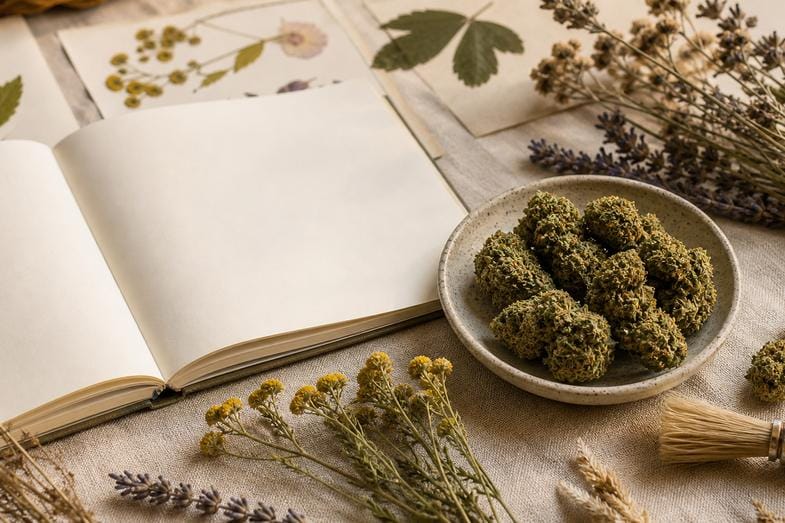
Justbob product pages should let readers move between visible details, scent language, and product checks without losing the thread. The flower image shows structure and colour. Hemp flower aroma notes provide the scent vocabulary. The product description explains technical positioning. The analysis documents keep the measurable side close to the product.
Justbob carries out constant analyses on all commercialised products and every lot. Those analyses are available on each commercialised product page, so readers can check the documents connected to the product they are viewing. This is important because aroma notes and lab reports answer different questions.
The aroma note says, “This is how the flower is described.” The analysis document says, “This is the checked product information for this lot.” Both can live on the same page, and together they make CBD flower browsing more transparent.
For readers exploring CBD flower, that combination is the practical path: look at the photo, read the aroma notes, check the available analysis, and compare products without rushing.
A short scent vocabulary for hemp flowers
- Herbal: dry green notes, garden herbs, clean plant material.
- Floral: lavender-like, soft, rounded, or lightly sweet botanical language.
- Citrus: lemon peel, orange edge, bright freshness.
- Pine: resin, needles, green forest air.
- Earthy: roots, soil, bark, darker plant notes.
- Woody: cedar, dry wood, warm botanical depth.
- Resinous: dense, sticky, balsamic wording linked to plant surface and structure.
These words are simple on purpose. Hemp flowers do not need decorative language to be interesting. They need aroma notes that help readers recognise a product, understand its characteristics, and compare it with other varieties. If a note is too vague to picture, it should be rewritten. If it sounds like a promise, it should be removed. If it sounds like a useful entry in a scent notebook, it belongs on the page.
Choosing a CBD product becomes easier when scientific information and simple descriptions work together. Aroma notes, terpene profiles, product details, and laboratory analyses each provide a different piece of the picture, helping customers explore hemp products with greater awareness.
Discover CBD flowers and hemp products from Justbob
Understanding aroma notes is a useful first step when exploring hemp flowers and CBD products. By combining simple scent descriptions with product information, terpene profiles, and laboratory analyses, readers can better compare different varieties and find the products that match their preferences.
At Justbob, we believe that clear information helps create a better shopping experience. Our catalog includes a selection of CBD flowers, CBD oils, and other hemp-based products, with detailed product descriptions designed to help customers discover each item’s characteristics.
🌿Explore the Justbob online store and discover our range of CBD products, including CBD flowers and CBD oils, with transparent information and carefully described aromatic profiles.
Frequently asked questions about hemp flower aroma notes
What are hemp flower aroma notes?
Hemp flower aroma notes are short scent descriptions, such as herbal, floral, citrus, pine, earthy, woody or resinous, used to help readers compare product character.
Why do hemp flowers have herbal notes?
Hemp flowers can have herbal notes because plant variety, terpenes, drying, curing, storage and natural plant character all influence the final scent description.
Are aroma notes product claims?
No. Aroma notes describe scent language and product character. They should not be treated as personal guarantees or product instructions.
pt>