

Modified on: 17/09/2026
Resin notes, texture and a better way to describe CBD hash
A small piece of CBD hash can look simple at first glance, but its aroma description often adds important context: resin, herbs, wood and a touch of freshness. That is why Justbob treats aroma terminology as part of product clarity rather than as a dramatic promise.
-
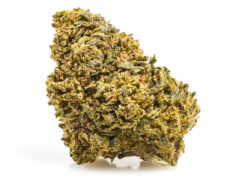
 Max CBDAMNESIA CBD BOOSTStarting from: 0,85€/g
Glasshouse | CBD<40%
Grams5 10 20 50 100 200 400 -
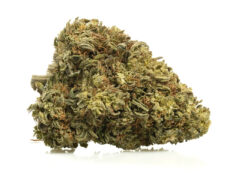
Max CBDAK47 CBD BOOSTStarting from: 1,45€/g
Indoor | CBD<47%
Grams5 10 20 50 100 200 -
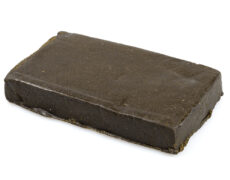
Max CBDCHARAS
CBD HASH | CBD<45%
Starting from:FLASH SALE -10%
0,90€0,80€/gGrams5 10 20 50 100 200 -
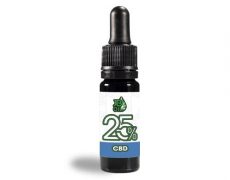
JB OIL 25%Starting from: 14,90€
CBD Oil 25%
The useful question is simple: what can aroma tell you, and what should it never be expected to prove? Aroma is a clue. It belongs alongside texture, appearance, label details and batch information. It is not a shortcut, and it is certainly not a way to judge a product beyond the characteristics that can actually be described.
What CBD hash aroma means
CBD hash aroma is the vocabulary used to describe the scent profile of a pressed hemp-derived resin product. On a product page, these descriptions often appear alongside terms such as compact, resinous, soft, crumbly or dark. Together, they help the reader understand the product characteristics before comparing different CBD hash products.
Aroma terms are usually botanical: earthy, herbal, woody, fresh, floral or slightly citrus-like. They should remain balanced and descriptive. A good product description does not need exaggerated language. It needs enough detail to make the product easier to understand and compare.
Aroma can also help describe the natural character of a CBD hash product and the way different botanical notes may be perceived. These scent descriptions are part of the overall product profile, helping readers connect aroma with other physical characteristics such as texture and appearance. Like any sensory description, aroma is best understood as an additional detail rather than a single factor that defines the product.

Read also: CBD Flower Aroma Profile: How to Read Scent Notes – Justbob
Resin, terpenes and scent families
The aromatic side of hash starts with resin-rich plant material and the compounds naturally associated with it. For readers interested in the wider plant background, terpene information provides useful context because terpene terminology often connects plant chemistry with the scent notes described on a product page.
CBD hash is made from pressed hemp-derived resinous material from Cannabis sativa L. industrial hemp. Within this resin, naturally occurring compounds such as terpenes contribute to the aromatic profile that people may perceive. Common terpene names include limonene, pinene, myrcene, linalool and caryophyllene, each often associated with different scent families:
- Limonene is commonly linked with citrus notes.
- Pinene is associated with fresh, pine-like aromas.
- Myrcene is often described with earthy or slightly fruity notes.
- Linalool is connected with floral characteristics.
- Caryophyllene is often associated with peppery and woody impressions.
Aroma families can be understood like drawers in a small archive. One drawer contains woody notes, another herbal notes, another fresh or floral notes. The goal is not to create a poetic description for every product, but to provide clear and useful language. A CBD hash page that describes dominant aromatic characteristics together with texture and visible resin features gives readers a more complete understanding without relying on exaggerated claims.
Aroma and texture work together
Aroma rarely exists separately from the other characteristics of a CBD hash product. A compact hash with a darker surface may be described differently from a softer or lighter format. Texture, edges, structure and surface appearance all contribute to how the product is perceived visually.
This is why product photos are important: they help connect aroma descriptions with characteristics that readers can actually observe. Aroma provides information about the scent profile, while texture helps describe the physical structure.
Reading aroma and texture together creates a more balanced description. Texture gives the product its physical identity. Aroma adds another layer of information. Together, they help create a clearer picture of the CBD hash format being described.

Why aroma is not a promise
Aroma language should never be turned into a claim about personal outcomes. A resinous note does not make a product more serious, a floral note does not make it gentler and a fresh note does not replace the need to read the label. Aroma is descriptive, not predictive.
This distinction is important for a CBD shop because product pages should help readers compare formats using clear and balanced information. The most useful descriptions stay close to the product itself: they explain resin notes, texture and appearance, while the batch information provides the details connected to the specific lot.
This is the more measured way to understand CBD hash aroma: appreciate the language, then check the available information. Less theatre, more useful detail. This is how we work in Justbob.
Aroma families without overdoing the poetry
Aroma descriptions can become exaggerated very quickly. One description may suggest a forest, another old books, another a basket of fruit. A more useful approach is simpler: identify the main aroma family, keep the wording balanced and let the product page provide the relevant details.
For CBD hash aroma, the most useful families are usually earthy, herbal, woody, resinous, fresh or slightly floral. These terms help readers compare products without turning the description into a performance. The goal is to help someone understand whether a product profile sounds darker, fresher or more herbal, then return to the product information.
Some readers search for CBD hash smell, but aroma is the more suitable editorial term because it remains descriptive and precise. CBD hash terpenes can also be part of the discussion when they are used to explain scent characteristics rather than create additional claims.
A simple way to read these descriptions is to keep three elements together: aroma, hash texture and batch information. Aroma describes the scent profile, texture describes the physical structure and batch information connects the product to its documented details.
How to compare two CBD hash aroma descriptions
When two CBD hash products both mention resin, the next step is not to decide which word sounds more appealing. The better approach is to compare the details that support the description. Does one page also mention compact texture? Does another describe a softer structure? Do the photos show differences in surface, colour or appearance?
A useful comparison starts with the shared terms and then looks at the smaller differences. One product may have an earthy and compact profile, while another may appear fresher and softer. Neither description needs to be considered better. The purpose is to help readers create a clearer understanding of the product before exploring the rest of the information.
This is why product wording should avoid exaggerated claims. A balanced description leaves space for the images, the label information and the available documentation. It also creates a clearer and more trustworthy way to compare CBD hash products. For plant-chemistry background, a PubMed Central review on cannabinoids and terpenes explains how Cannabis sativa compounds and aroma-related terpenes are discussed in scientific literature.
Where batch documents enter the aroma story
Aroma is human-friendly, but it is not the whole product record. Batch documents bring the conversation back to identity, analysis and measurable information. They may be less engaging than aroma notes, but they are where a careful reader can find the details behind the product. The practical approach is simple: read the aroma descriptions, look at the texture, than check the batch document. It is a small routine, but it helps keep product comparison clear and avoids relying on assumptions.
One common mistake is using aroma as a shortcut for quality. A stronger description does not automatically mean a stronger product, and a more delicate description does not automatically mean a weaker one. Aroma is a descriptor, not a medal. It is a characteristic to describe, not a ranking system.
Another mistake is writing as if every product belongs in a perfume counter. Hemp-derived resin has its own vocabulary. It can be earthy, compact, resinous, fresh or woody without needing exaggerated language. The most pleasant product descriptions often sounds like a careful note from someone who actually looked at the material.
The third mistake is forgetting the reader. The reader is not asking for a poem. The reader is asking for help comparing one product page with another. CBD hash aroma works when it answers that restrained question well.
A practical sequence for comparing aroma notes
A useful CBD hash aroma comparison starts with the broad family of the note. Is the description resinous, herbal, woody, fresh or floral? After that, the reader can look at the texture. A compact surface, a softer edge or a crumbly line can make the scent wording easier to understand.
The final step is the document check. Aroma is the friendly part of the page, but it should never carry the whole explanation. It works best when it sits beside a photo, a label and a batch reference.
One practical note: aroma vocabulary often becomes clearer when it is written next to a visual detail. Resinous is easier to read beside a darker surface. Fresh is easier to read when the page also shows structure and colour. Without that support, aroma can drift into theatre. With it, the reader gets a small set of clues that actually belongs to the product page.
When resin language gets too vague
The words that cause trouble are usually the big ones: intense, premium, powerful, unforgettable. They sound impressive for a moment, then say very little. For a CBD hash page, a shorter note is often more useful: resinous and compact, herbal and dark, fresh and softer in appearance.
This kind of wording gives the reader something specific to picture and compare, without turning aroma, texture, or appearance into a promise that cannot be guaranteed. Natural products can vary slightly from batch to batch, so focusing on observable characteristics creates a more accurate and trustworthy description.
Clearer language also keeps the article close to the product page, where the real inspection happens. The goal is not to replace the customer’s own evaluation with marketing phrases, but to provide useful details that help them understand what makes each product different. That balance between description and restraint is what makes product content feel more credible and informative.
Three checks before trusting aroma notes
Before trusting a CBD hash aroma description, check three things: the note family, the visible texture and the batch document area. If those three elements point in the same direction, the page is doing useful work.
The article does not need to behave like a perfume review. It only needs to help the reader compare resin notes with visible and documented details.
Across the Justbob CBD hash range, the aroma vocabulary travels naturally with the texture and the batch documents. Some lots lean more resinous and earthy, others read fresher and more herbal, others still bring a piney or floral edge depending on the terpene profile reported in the analysis. Reading two CBD hash pages side by side becomes much easier when the words on each page are honest descriptions of the resin profile rather than dramatic adjectives.
🌿Want to know more about the CBD hash products available in our catalog? Visit the Justbob online store.
Frequently asked questions about CBD hash aroma
What does CBD hash aroma mean?
CBD hash aroma describes the scent notes used on a product page, such as resinous, herbal, woody or fresh. It is a descriptive tool, not a promise about personal outcomes.
Why can CBD hash aroma vary?
Aroma can vary with plant material, resin profile, format and storage context. Photos, labels and batch documents help keep those descriptions grounded.
Is CBD hash aroma the same as quality?
No. Aroma can help compare products, but quality reading should also include appearance, label details and available batch analyses.