

Modified on: 17/09/2026
Understanding CBD Hash Texture: A Visual Guide to Appearance and Consistency
At first glance, a piece of CBD hash may seem quite ordinary: a compact block, a darker outer layer, perhaps a softer centre revealed by a fresh cut. Look a little closer, however, and its texture begins to tell a more interesting story. Is it firm or crumbly? Matte or slightly glossy? Smooth, grainy, resinous or sandy around the edges? These visual and tactile characteristics are what people refer to when discussing CBD hash texture.
This guide focuses on the visible qualities of CBD hash and the vocabulary commonly used to describe them. Rather than making exaggerated claims or discussing personal effects, it explains how appearance, consistency and structure help readers understand the descriptions found on a CBD hash product page.
-
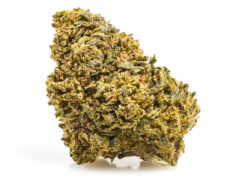
 Max CBDAMNESIA CBD BOOSTStarting from: 0,85 €/g
Glasshouse | CBD<40%
Grams5 10 20 50 100 200 400 -
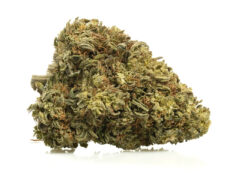
Max CBDAK47 CBD BOOST
Indoor | CBD<47%
Starting from:HALLOWEEN SALE -10%
1,45 €1,30 €/gGrams5 10 20 50 100 200 -
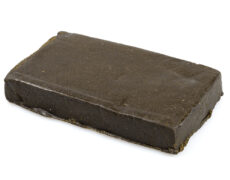
Max CBDCHARAS
CBD HASH | CBD<45%
Starting from:HALLOWEEN SALE -10%
0,90 €0,80 €/gGrams5 10 20 50 100 200 -
JB OIL 25%Starting from: 14,90 €
CBD Oil 25%
At Justbob, every batch of every product we commercialise is continuously analysed, and the corresponding laboratory documentation is available directly on each product page. This allows customers to view texture, appearance, CBD content, THC compliance and batch information together, offering a clearer and more transparent picture of every product.
Why CBD hash texture matters
CBD hash texture refers to the physical structure and visual consistency of a piece of hash. Depending on the variety and production method, it may appear compact, soft, firm, crumbly, sandy, smooth, grainy or tightly pressed into a uniform block.
Consistency describes how the material holds together when handled, while appearance focuses on what can be observed visually. Together, these characteristics provide a far more useful description than marketing names alone, helping customers better interpret product information.
Texture is particularly relevant because CBD hash is a resin-based product. It is generally produced by collecting and pressing trichome-rich plant material, and its final appearance is influenced by several natural factors, including the starting material, the extraction and pressing process, residual moisture, storage conditions and the age of the batch. It is important, however, not to draw conclusions from texture alone. A darker, softer piece is not inherently superior to a lighter or firmer one. Likewise, a crumbly consistency is not necessarily a sign of lower quality, just as a perfectly compact block is not automatically better. Texture offers valuable information, but it represents only one aspect of the overall product profile.
A useful way to think about it is this: product names are often creative, whereas texture provides observable, objective details. Looking at appearance and consistency together gives customers practical information that is far more meaningful than relying on descriptive names alone.
Read also: CBD Hash Shapes: Blocks, Pieces And Labels – Justbob
Common CBD hash texture explained: soft, firm, crumbly and compact
CBD hash is available in a range of textures, each with its own visual characteristics. While these differences are often the result of production methods, resin composition and pressing techniques, they should simply be viewed as descriptive features rather than indicators of quality. Understanding the terminology commonly used on product pages makes it easier to interpret what you are looking at and compare different varieties.
- Soft CBD hash typically appears slightly pliable, with a dense structure that does not look brittle or overly dry. When cut or gently pressed, the edges often appear smooth and cohesive rather than breaking apart. Product descriptions may use terms such as soft, malleable, resinous or flexible to describe this appearance, but these words should be understood as physical characteristics rather than claims about the product itself.
- Firm CBD hash generally retains its shape well and presents a more solid appearance. Its surface is often matte, evenly pressed and well defined, with sharper edges than softer varieties. This type of texture may result from a higher degree of pressing or a naturally drier finish, although the exact consistency ultimately depends on the production process and the specific batch.
- Crumbly CBD hash breaks apart more readily into small pieces, fine grains or sandy fragments. This should not be interpreted as a sign of lower quality. Certain dry sift styles naturally display a more granular structure because of the way the resin-rich trichomes are collected, filtered and compressed during production.
- Compact CBD hash has a uniform, tightly pressed appearance with clean edges and a consistent shape. The surface often looks dense and well compressed, giving the impression of a solid, cohesive block. This type of texture simply reflects the level of compression achieved during production and should not be confused with an indicator of overall quality.

Understanding Dry Sift Hash, Bubble Hash and CBD hash texture
When exploring CBD hash products, you will often come across terms such as dry sift, bubble hash, pressed or compact. These expressions are primarily used to describe how the resin has been collected, processed or shaped, and they also provide useful clues about the product’s visual appearance and texture. Rather than being quality ratings, they help readers understand why different CBD hash varieties can look and feel different.
- Dry sift hash usually brings to mind a more powdery or sandy resin material before pressing.
- Bubble hash is linked to a water-and-ice separation process that can produce a different structure before the material is dried and shaped into its final form. When a product description mentions bubble hash, it should be understood as a reference to the hash production process and the resulting texture, rather than as a promise about the product itself.
The important point is simply that different types of CBD hash can display different appearances because the resin has been separated, collected and pressed using different techniques.
Terms such as dry sift, bubble, pressed and compact are useful when they help readers visualise the product. They become less meaningful when used as marketing labels without further explanation. A good product page should always accompany these descriptions with clear information about the product’s appearance, CBD content, THC compliance, batch identification and laboratory testing. There is also a historical influence behind this terminology. Traditional hash was often shaped through resin collection, sieving and pressing techniques.
At Justbob, these references are intended solely to describe production methods and texture. Our products are manufactured in compliance with current European regulations, and traditional terminology should be understood as a descriptive reference rather than an indication of origin.
Pressure, resin and extraction method
Several factors contribute to the final texture of CBD hash, with pressure, resin composition and the production method all playing an important role. Understanding these elements helps explain why different products can vary in appearance without implying differences in quality.
Pressure is one of the main factors influencing hash texture. Greater pressure generally produces a denser, smoother and more compact appearance, while lighter pressing—or differences in the starting plant material—may result in a looser, drier or more crumbly texture. Although heat and pressure are often mentioned in general explanations of hash production, product descriptions should focus on the characteristics of the specific item rather than broad manufacturing concepts.
Resin also plays a key role. CBD hash is composed largely of trichome-rich plant material, naturally containing cannabinoids and terpenes. These components influence not only the aroma and colour of the product but also its overall appearance. A resin-rich product may appear darker, denser or more cohesive, whereas a drier material often has a lighter, grainier or more granular texture.
The textures of CBD extracts can vary for similar reasons, making texture a useful descriptive feature when comparing different extract formats.
The resin separation method can also influence consistency. Some CBD hash products are produced using dry mechanical sieving techniques, while other resin concentrates in the broader cannabis sector are obtained through different processing methods. For the purposes of this guide, however, these distinctions are useful only insofar as they help explain visual appearance and texture, not as indicators of performance or quality.
This is also where laboratory analysis becomes particularly valuable. Texture provides visual information about a product, while a certificate of analysis provides objective, measurable data such as cannabinoid content and THC compliance. Rather than competing with one another, these two sources of information complement each other, helping consumers build a more complete understanding of the product.

Texture is not an outcome claim
Texture should never be used as an indicator of a product’s effects or performance. A soft texture does not say anything about how a product will affect an individual. A firm block does not indicate greater potency, and a resinous appearance does not replace the product label or the batch report.
This is especially important because older online content and keyword-driven pages can pull hash-related information toward misleading or inappropriate associations. Words suggesting personal effects, intensity or other unsupported interpretations may appear around the topic, but they have no place in an objective product guide.
The most useful approach is to keep the language descriptive and visual:
- Soft means the material appears pliable.
- Firm means it keeps its shape.
- Crumbly means it breaks into smaller pieces.
- Compact means it has been pressed into a dense format.
None of those words should be interpreted as statements about the product’s effects or quality. In fact, quality is not determined by texture alone. It is better assessed through a combination of clear product description, batch documentation, cannabinoid profile, THC compliance, visual consistency and traceable quality controls.
How product photos and descriptions work together
A good CBD hash product page should make the texture easy to understand at a glance, even before the reader reaches the lab documentation. Photos can show shape, colour, surface finish and edges, while text can explain whether the product is soft, firm, crumbly, pressed or more granular.
The description should not overload the reader. A clean sentence is often enough: “Compact, dark CBD hash with a firm, pressed texture and a resinous surface.” Simple descriptions like this help readers visualise the product without relying on exaggerated or overly promotional language.
When browsing CBD hash, it helps to compare texture descriptions with the product images. If the page says “crumbly” and the photo shows a clean block, the reader may benefit from additional context. If the page says “compact” and the photo shows clean, well-defined edges, the description is easier to trust.
Batch documentation then adds the technical side. Justbob provides the relevant laboratory analyses on each product page, allowing customers to compare product identity, batch details and reported values. Product photos help illustrate appearance, while laboratory documentation provides objective information that supports the product description.
Read also: CBD Crumble: Extract Texture And Format Notes – Justbob
Colour, aroma and storage clues
Texture rarely travels alone. Colour, aroma and storage conditions can all influence how a CBD hash product appears. A darker colour may reflect factors such as resin concentration, plant material, production methods or age. A lighter colour may result from a different resin profile or separation method.
The colours CBD hash can take are useful visual clues, but they should be read as descriptive characteristics rather than as a measure of quality.
Aroma belongs in the same descriptive category. Terpenes can influence a product’s scent, and product descriptions may mention earthy, woody, resinous or floral notes. Those are sensory descriptions, not promises. They should be understood as characteristics of the product’s aromatic profile rather than indications of any particular outcome. For readers interested in the scientific background, a PubMed Central review on cannabinoids and terpenes explains how Cannabis sativa compounds and aroma-related terpenes are discussed in the scientific literature.
Storage can also influence a product’s appearance over time. Light, air, heat and humidity may affect surface moisture, consistency and overall texture. A product stored under appropriate conditions is more likely to retain the appearance intended by the producer, while poor storage can alter its aroma and modify its surface characteristics. This is why product photos should be current and realistic. Images should accurately represent the product being offered, as photographs of a different batch may not faithfully reflect its actual appearance.
Final checklist for reading CBD hash texture
Before judging a CBD hash texture, slow down and ask a few simple visual questions. Is the piece soft, firm, crumbly or compact? Does the surface look smooth, sandy, grainy or pressed? Does the colour match the product description? Are the texture, resin and aromatic profile described clearly and without exaggerated claims? Then look at the technical information. Does the product page show CBD content, THC compliance, batch identity and laboratory analysis? Does the lab report correspond to the product being described? Are words such as quality, premium or selected supported by objective information rather than marketing language?
Texture is useful because it makes a product easier to understand. It is a visual reference, not an indication of performance or effects. The best product pages combine texture descriptions, photographs, labels and laboratory documentation, allowing each element to contribute useful information without replacing the others. At Justbob, this is the approach we aim to follow. Every product page combines detailed descriptions with up-to-date photographs and batch-specific laboratory documentation, making it easier to compare products based on clear, verifiable information rather than assumptions.
🌿 If you’d like to explore different CBD hash textures and compare their appearance, descriptions and laboratory analyses, browse the Justbob CBD hash collection and discover the variety that best matches your preferences.
Frequently asked questions about CBD hash texture
What does CBD hash texture mean?
CBD hash texture describes the visible consistency of the product, such as soft, firm, crumbly, sandy, resinous or compact. It helps explain format and appearance, not personal outcomes.
Why can CBD hash be soft or firm?
CBD hash can look soft or firm because of resin content, pressing, moisture level, separation process and storage conditions. The product page and batch documentation should provide the broader context.
Is texture the same as CBD hash quality?
No. Texture is one visual clue. CBD hash quality should also be read through product description, batch identity, cannabinoid profile, THC line, lab documentation and overall clarity.