Modified on: 10/07/2026
Technical words should point back to the bottle
CBD oil emulsion terminology is the set of technical words a label uses to describe how an oil is mixed and how it looks. Words like emulsion or emulsified sound complicated, but on a label they do a plain job: they describe texture and dispersion, and they point back to the bottle and its document. This guide keeps them there, as wording to read rather than promises to weigh, because a technical word is only useful when it can be checked.
-
 Max CBDAMNESIA CBD BOOST
Glasshouse | CBD<40%
Starting from:FLASH SALE -10%
0,85 €0,75 €/gGrams5 10 20 50 100 200 400 -
Max CBDAK47 CBD BOOSTStarting from: 1,45 €/g
Indoor | CBD<47%
Grams5 10 20 50 100 200 -
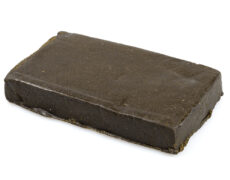
Max CBDCHARASStarting from: 0,90 €/g
CBD HASH | CBD<45%
Grams5 10 20 50 100 200 -
JB OIL 25%Starting from: 14,90 €
CBD Oil 25%
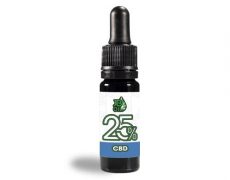
Picture a bottle and a short line of description using a technical term. That line is a few words about how the contents are combined and how they appear. Read plainly, they describe an object. Stretched into anything more, they stop being useful, which is why this page keeps each word attached to the bottle it belongs to.
What CBD oil emulsion terminology means
CBD oil emulsion terminology means the label words that describe how an oil’s parts are mixed and dispersed: terms like emulsion, emulsified or blend, used to describe texture and appearance. They are descriptive words, not claims of any kind. Each one names how the contents look and combine, so the vocabulary stays on the make-up and texture of the product rather than anything beyond it.
Kept at that level, the terms stay manageable. An emulsion word describes a mixture: how finely the parts are combined and how the result looks in the bottle. Reading these terms means taking them as descriptions of texture, confirmed against the label and the document, rather than as claims to be weighed.
Texture wording
Most emulsion words are really texture words. They describe whether an oil reads as clear or cloudy, thin or thick, evenly combined or separated, and how fine the dispersion appears. A label might pair one of these terms with the named components, so a reader knows both what is in the bottle and how it is combined.
Read this way, the texture wording is plain and useful. A word like emulsified describes an appearance, not a result, and it sits beside the named extract and carrier as one more piece of description. For the carrier the emulsion is built around, our MCT carrier oil note covers that base in more depth.

Read also: CBD Oil Ingredients: What Is Usually Inside the Bottle
Label fields
On a label, an emulsion term sits in a field beside the other entries: the product name, the named components, the indicative figure for the extract. It is read as one description among several, not as the headline. The point is that the word should match what a reader can see in the bottle and what the document records for the batch.
That is where the vocabulary earns its place. A texture term on the label is a small, checkable description, set next to figures that can be confirmed. The vocabulary is most useful when each word lines up with the listing and the certificate, rather than standing alone as jargon.
A word borrowed across crafts
The word emulsion has travelled a long way. In 1871, Richard Leach Maddox described a gelatin silver emulsion for photographic plates, where emulsion named a fine suspension coated on glass. The same word is used in paint and in the kitchen for a stable mixture of things that do not normally combine. It is a plain technical term, borrowed across crafts, for a fine, even mix.
That history is the useful part. An emulsion word on a CBD oil label is just that borrowed technical vocabulary, describing how the contents are combined, with no special meaning beyond the mixture itself. The photographer used it for a coating, the cook for a sauce, the label for an oil, and in each case it simply names a fine, even blend.

Read also: CBD Oil Certificate Checklist: What To Read
Batch documents
The document is where the description is anchored. The certificate of analysis for the batch records the measured figures: the CBD figure stated as indicative, the THC reading checked against the 0.3 percent threshold, and the other compounds tested for the lot. The emulsion term describes texture; the certificate records the figures.
This is why a complete page keeps the document within reach. A reader can read a texture word on the label and open the certificate for the matching batch, so the description on the bottle sits beside measured rows rather than standing on its own. A technical term is only as solid as the document that accompanies it.
The limits of the wording
It is worth being plain about the scope. CBD oil emulsion terminology, read this way, stays on texture words, label fields and documents. It describes how an oil looks and is combined, it points to the certificate, and it leaves anything beyond the wording and the records to one side. Those other questions sit outside a terminology page.
So the terms are read for exactly what they are: descriptions of texture, confirmed on paper. For an official overview of hemp as an agricultural crop, the European Commission page on hemp sets out the wider framework these products sit within.
Emulsion terminology on a Justbob page
On a CBD oil page, the emulsion terminology does a narrow job: a texture word, the named components, an indicative figure and the certificate that confirms them. Every commercialised product is analysed and each batch is checked, with the document available on the product page, so each term can be traced from the bottle to the row that records it.
Every product sits inside the EU industrial hemp framework, with THC kept at or below the 0.3 percent threshold harmonised at European level, and is offered for technical, scientific and ornamental purposes only. Read this way, on a Justbob page CBD oil emulsion terminology is simply a set of texture words, each backed by a document.
Frequently asked questions about cbd oil emulsion terminology
What is CBD oil emulsion terminology?
It is the set of technical label words that describe how a CBD oil is mixed and how it looks: terms like emulsion, emulsified or blend, used for texture and appearance. Each is a description rather than a claim, naming how the contents are combined in the bottle. The words are read against the label and the certificate of analysis for the batch, so each term can be confirmed beside the measured figures rather than taken on the label alone.
Does this page go beyond the label?
No. It stays on texture words, label fields and documents, and it reads the emulsion terms as plain descriptions of how the contents look and combine. Anything beyond the wording and the records sits outside the page, which keeps the vocabulary on what can be seen in the bottle and checked against the certificate for the batch.
Where do documents fit?
The certificate of analysis is where a texture word is anchored. The label uses an emulsion term to describe appearance; the certificate records the measured figures, including the THC reading checked against the 0.3 percent threshold for the lot. Following a term from the label to the document is how a reader keeps the technical wording tied to something measured rather than to jargon.