Published on: 19/09/2026
Is weed legal in Portugal, or just quietly tolerated?
Portugal has a reputation that runs ahead of the facts. Say the country’s name in a conversation about drugs and someone will tell you everything is legal there. It is one of the most repeated half-truths in Europe, and it flattens a system that is actually more careful and more interesting than the headline suggests.
-
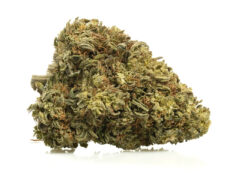
 Max CBDAMNESIA CBD BOOSTStarting from: 0,85€/g
Glasshouse | CBD<40%
Grams5 10 20 50 100 200 400 -
Max CBDAK47 CBD BOOSTStarting from: 1,45€/g
Indoor | CBD<47%
Grams5 10 20 50 100 200 -
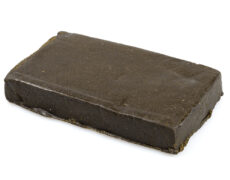
Max CBDCHARAS
CBD HASH | CBD<45%
Starting from:FLASH SALE -10%
0,90€0,80€/gGrams5 10 20 50 100 200 -
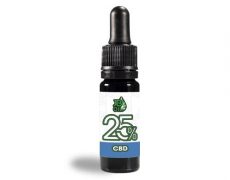
JB OIL 25%Starting from: 14,90€
CBD Oil 25%
So here is the honest version. This guide walks through what changed in 2001, why decriminalisation is not the same as legalisation, how the medical route works, and where industrial hemp and CBD sit inside all of it. A note first: this is general information from published sources, not legal advice, and drug policy shifts, so check a current Portuguese source before anything rides on it.
What Portugal actually did in 2001
In 2001 Portugal became the first country in Europe to decriminalise the personal use and possession of every illicit drug, cannabis included. The reform did not wave the subject through. It moved personal possession out of the criminal courts and into a health-led process, treating a person caught with a small amount as a public health matter rather than a criminal one.
The mechanism is a threshold. Possession up to a quantity judged as roughly a ten-day personal supply is handled as an administrative offence, not a crime. For cannabis that works out at a small number of grams. Cross it, or show signs of dealing, and you are back in criminal territory.
Decriminalised is not the same word as legal, and in Portugal the gap between the two is the whole story.
Where the line sits: possession versus sale
If you are found with a personal amount, you are not charged. You are referred to a regional body with a long name usually shortened to the CDT, a panel that includes a legal, a medical and a social presence. It can offer treatment, issue a fine, or simply note the matter and let it go. No criminal record follows a first, small, personal case.
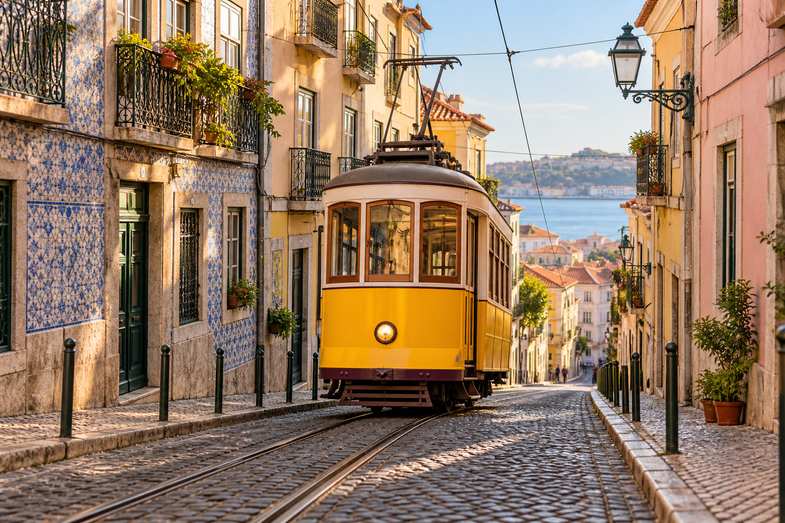
Selling is a different world. Supply, trafficking and cultivation for supply remain criminal offences with real prison ranges attached. The 2001 reform never touched the market side of things, which is why there is no lawful recreational shop, no dispensary counter, and no legal way to buy cannabis for fun in Lisbon or anywhere else in the country.
Read also: Legal Weed In Croatia: What The Rules Actually Allow
Picture the practical shape of it. A resident with a few grams in a pocket meets a health panel; a person selling those same grams meets a courtroom. Same plant, two entirely different doors, and the door you go through depends on what you were doing, not simply on what you were holding.
Medical cannabis in Portugal since 2018
Portugal built a formal medical route in 2018, and it went operational the following year. Cannabis-based medicines are overseen by Infarmed, the national medicines authority, and reach patients through pharmacies rather than through any informal channel. A prescription from a doctor is the gateway; the pharmacy is the counter.
This sits completely apart from the personal-use question above. Medical access is a regulated healthcare programme with its own paperwork and its own list of approved products. It is not a back door to a recreational market, and describing it as one misreads how tightly Infarmed keeps the two apart.
There is a second, quieter fact worth knowing. Portugal has become one of Europe’s larger licensed cultivation and export centres for medical cannabis, with authorised growing sites feeding a regulated supply chain across the continent. The climate helps, the licensing framework is established, and the result is an industry that operates in daylight under state oversight.
Industrial hemp and CBD in Portugal
Industrial hemp is a separate legal object again, and it answers to Europe rather than to the drug statutes. Hemp grown from varieties listed in the EU Common Catalogue, and kept under the harmonised THC ceiling of 0.3 percent, is treated as an agricultural crop across the Union. The threshold and the catalogue are set out in Regulation (EU) 2021/2115, in force since the start of 2023.
That European footing is what lets hemp-derived CBD circulate. The Court of Justice confirmed in the 2020 Kanavape ruling that CBD lawfully produced in one member state can move freely to another, which is the legal spine of the cross-border trade. Product category still matters a great deal, though: an oil, an extract and a flower are each read against different rules, and a CBD oil listing is assessed differently from a raw flower.
For a broader look at how the same question gets answered differently from one country to the next, our overview of CBD across Europe lays the pieces side by side.
What this means if you are visiting
The traveller’s version is short. You will not be arrested for a genuinely personal amount, but you can still be stopped, assessed and fined, and nothing about the system invites you to buy on the street. There is no legal recreational purchase point, so the confident tourist looking for a shop is looking for something that does not exist.
In our view the useful takeaway is calm rather than permission: Portugal removed the criminal stigma from a small personal case, and left everything about the market firmly where it was.
So, decriminalised but not for sale
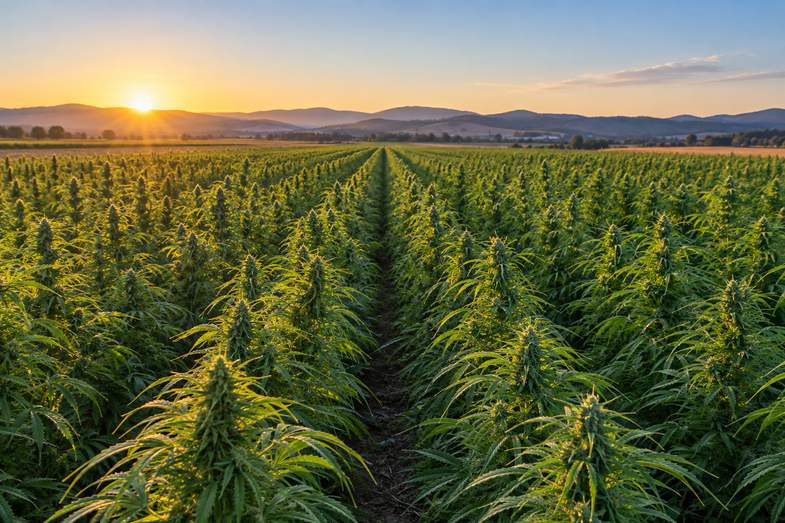
The whole country fits into one distinction. Personal possession has been decriminalised since 2001, handled by a health panel rather than a court. Sale and supply stay criminal, so no lawful recreational market exists. Medical cannabis runs through Infarmed and pharmacies, and industrial hemp is agriculture, governed by the European 0.3 percent rule.
Portugal is one of the countries we ship to, and it matters a great deal to us as a market. What travels there from the Justbob CBD flower range is hemp grown by EU partners from catalogue varieties, analysed batch by batch, and sold for technical and ornamental purposes.
Read also: Cannabis Social Clubs In Germany: How The Model Works
Frequently asked questions about cannabis laws in Portugal
Is weed legal in Portugal?
Not in the sense most people mean. Recreational cannabis is not legal to sell or buy in Portugal, and there is no lawful adult retail market. What Portugal did in 2001 was decriminalise personal possession, moving a small personal amount out of the criminal courts and into a health-led administrative process. Decriminalisation lowered the penalties for personal use; it did not create a legal way to purchase cannabis for recreation.
How much cannabis can you have in Portugal?
The system uses a personal-use threshold set at roughly a ten-day supply, which for cannabis amounts to a small number of grams. Below that line, possession is treated as an administrative matter and you are referred to a regional dissuasion panel rather than charged. Above it, or where there are signs of supply, the case returns to criminal law. Exact figures should be checked against a current Portuguese source.
Is medical cannabis available in Portugal?
Yes. Portugal legislated for medical cannabis in 2018, with the route operating from 2019. Cannabis-based medicines are overseen by Infarmed, the national medicines authority, and are dispensed through pharmacies on a doctor’s prescription. This medical programme is entirely separate from the personal-use rules and does not amount to a recreational market.
Is CBD legal in Portugal?
CBD derived from industrial hemp sits under the European framework rather than the drug statutes. Hemp grown from EU Common Catalogue varieties and kept under the harmonised 0.3 percent THC ceiling is treated as an agricultural crop, and the 2020 Kanavape ruling confirmed that CBD lawfully produced in one member state can circulate to another. How a finished product is classified still depends on its category, whether oil, extract or flower.