

Published on: 21/10/2026
A dessert name, a real family tree: what sits behind Jelly Cake
The jelly cake strain has a problem most strain sheets skip over: two different plants circulate under that name, and the databases do not agree on which one is which. Telling them apart is most of the answer to what Jelly Cake actually is.
-
 Max CBDAMNESIA CBD BOOSTStarting from: 0,85 €/g
Glasshouse | CBD<40%
Grams5 10 20 50 100 200 400 -
Max CBDAK47 CBD BOOST
Indoor | CBD<47%
Starting from:HALLOWEEN SALE -10%
1,45 €1,30 €/gGrams5 10 20 50 100 200 -
Max CBDCHARAS
CBD HASH | CBD<45%
Starting from:HALLOWEEN SALE -10%
0,90 €0,80 €/gGrams5 10 20 50 100 200 -
JB OIL 25%Starting from: 14,90 €
CBD Oil 25%
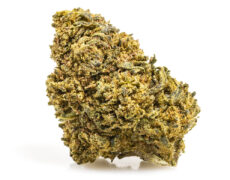
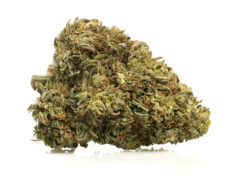

The family tree carries most of the information. One distinction runs through everything that follows, and it matters: what strain databases record about a cannabis variety is not what sits in a compliant European hemp jar.
Where the jelly cake strain comes from
Jelly Cake is a recent arrival in the strain databases, and there are two of them. Leafly’s Jelly Cake entry lists the variety as a cross of Jelly Breath and Ice Cream Cake, and records Jellie Cake as an alternative name for it. A feminised seed release sold under the same name by a European seed bank is a different plant altogether, a cross of Biscotti and Sunset Sherbet, and Leafly carries that one as a separate Jellie Cake entry.
Both versions sit in the same dessert family, which is why they are so easy to confuse. On the Jelly Breath side, that parent is usually given as Mendo Breath crossed with Do-Si-Dos, while Ice Cream Cake is usually given as Wedding Cake crossed with Gelato 33. On the seed bank side, Biscotti and Sunset Sherbet come out of the same gelato lineage a generation earlier.
Line those grandparents up and the pattern is hard to miss. Every branch of both family trees is a dessert reference, and the varieties in them were selected and named for aroma above anything else. That was the direction these lines took through the late 2010s, running from the gelato varieties into the cake ones. Jelly Cake, in either version, is one of the later entries in that sequence.
Why catalogues file it as an indica dominant hybrid
Only one of the two carries that label. The seed bank’s specification sheet calls its Biscotti and Sunset Sherbet version an indica dominant hybrid and puts the split at 80 indica to 20 sativa. Leafly files its Jelly Cake entry, the Jelly Breath cross, simply as a hybrid, with no split given at all. If you have read that Jelly Cake is indica dominant, that figure came from the seed bank.
It is worth pinning down what the phrase covers, because it gets used loosely. Indica dominant is a description of heritage and plant architecture, pointing at shorter, broader plants with wide leaflets and tightly packed flowers. The seed bank’s own height and flowering figures, further down, are consistent with that. In our view the label is best read as a growth habit note and a heritage marker, not as a promise about anything else.
Read also: Indica or sativa marijuana: here are the differences
Jelly cake taste and the terpene profile behind it
The aroma is where the name comes from, and here the two versions genuinely part company. The seed bank’s sheet for the Biscotti cross lists jelly, sweet berry, candied kiwi and creamy vanilla, with a watermelon sweetness over the top and a velvety cream finish underneath. It names limonene, myrcene and caryophyllene as the terpenes behind that profile, which fits a citrus lift over a heavier base.
Leafly’s description of the Jelly Breath cross reads differently. It gives grape and berry jelly, creamy vanilla frosting and warm pastry dough, with a gassy note underneath, and a flavour of sweet fruit preserves over baked goods. Same dessert register, different fruit and a note the other one does not have. That page publishes no terpene breakdown and carries no user reviews yet. On the Leafly entry for the Biscotti cross, where the reviews are, recorded flavours run to blueberry, rose and strawberry, and one review compares the taste to a jelly doughnut.
All of it comes from the plant’s own chemistry rather than from anything added to it. The aromatic compounds behind these profiles are terpenes. The enzymes that build them in the plant have been mapped in some detail: research published on terpene synthases in Cannabis sativa describes how a fairly small gene family produces the wide range of scents found across varieties. If the topic interests you, our guide to what terpenes are covers the basics without the chemistry lecture.
What the buds actually look like
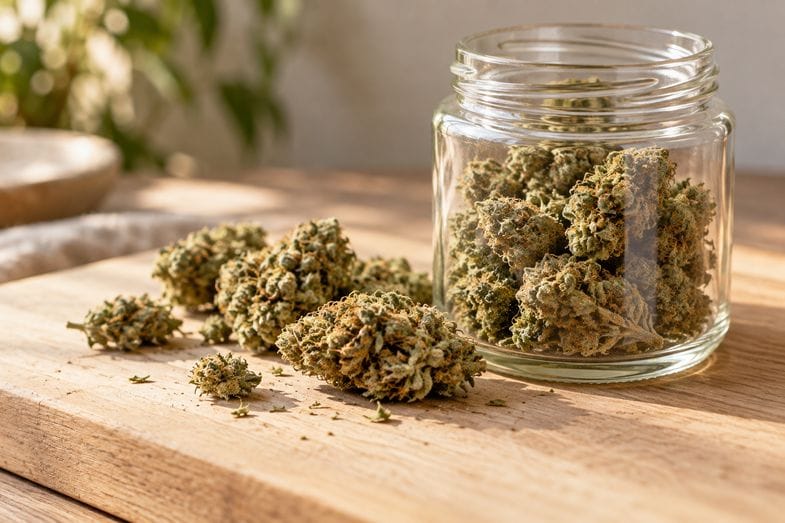
Appearance tells you a good deal before you ever read a label. Photographs published under the name show compact, chunky flowers with the heavy build typical of the cake lineage. The calyxes stack closely, so the bud looks dense rather than airy, and listings describe it as holding its shape rather than crumbling.
Colour is the giveaway. The seed bank describes deep emerald nuggets touched with violet specks and vivid amber pistils, under a heavy coat of trichomes. That description belongs to the Biscotti cross, which is the version most of the published photographs show. Resin coverage is dense enough to frost the surface, which is why images of this variety tend to look slightly sugared. Picture a cake pop rolled in caster sugar and you are not far off.
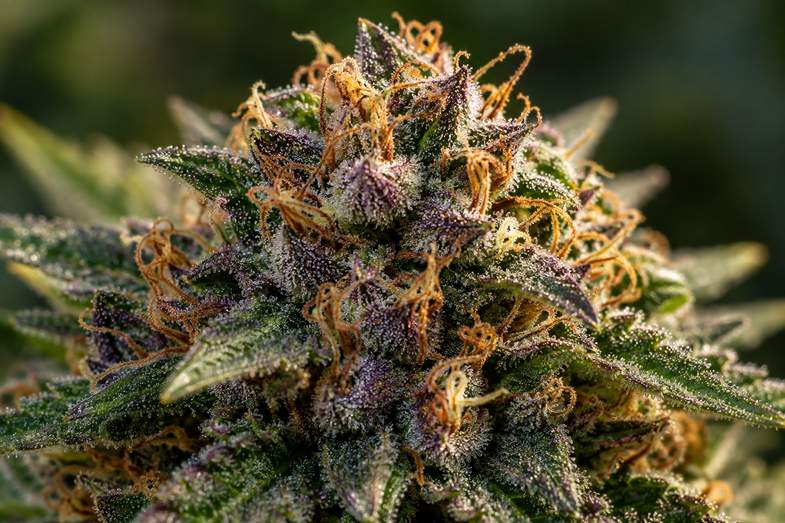
The same visual signature appears at smaller sizes too. On any variety, the lower flowers of a plant stay compact and keep their resin coverage, which is the whole logic behind a small buds selection: same plant, same look, smaller format.
What reviews report about the effects
This is the part of a strain sheet people skip to, so it is worth being exact about what is being described. Everything in this section refers to the recreational cannabis variety as growers, users and strain databases report it. It is not a description of any product sold here, and it is not health information of any kind.
The two versions are not reported the same way, and the difference is easy to miss. The seed bank describes its Biscotti cross as uplifting, relaxing, euphoric and sleepy: a bright opening settling into something deep and calming. The user reviews on Leafly’s entry for that same cross pull in a different direction, listing hungry, uplifted and energetic as the top reported effects, though individual reviews there do mention evenings.
Leafly’s own description of the Jelly Breath cross sits between the two. It opens on euphoria and mental uplift before settling, and calls the effects mellow and long-lasting rather than heavy.
The THC figures diverge too. Leafly gives about 17 per cent for the Jelly Breath cross, while the seed bank claims 25 to 27 per cent for the Biscotti one. Between the split, the terpenes and the THC, checking which plant a listing is describing is not pedantry.
Those numbers are also exactly where the line falls. They belong to the recreational plants recorded in strain databases and breeder catalogues. European hemp is a different product, grown from EU Common Catalogue varieties and kept under the legal threshold, and none of the reported experience above transfers to it.
Flowering time and how the plants behave
The agronomic numbers all come from one place, the seed bank’s specification sheet for the Biscotti and Sunset Sherbet version, since the Leafly entry for the Jelly Breath cross publishes none. That sheet gives a flowering time of 8-9 weeks indoors, which is the same thing as 56-63 days, and puts the outdoor harvest in the second half of September in temperate climates.
The same sheet puts indoor plants at 100 to 120 cm and outdoor plants at 180 to 220 cm, short and bushy in line with the indica dominant build. A plant that size with that flower structure responds well to a little canopy management, since light needs to reach the lower sites. Nothing published on the Jelly Breath cross contradicts this, because nothing is published on it.
Jelly Cake, Ice Cream Cake and Wedding Cake: telling the family apart
The cake names multiply fast, and they are easy to confuse. A rough map, using the aroma descriptions the catalogues themselves publish:
- Wedding Cake sits at the top of the group, described as vanilla-forward with a tangy, almost sour edge underneath.
- Ice Cream Cake is the direct parent of the Jelly Breath version, described as creamier and rounder, with the sweet cream note pushed to the front.
- Jelly Cake adds the fruit. The jam and candied fruit opening is what the seed bank sheet uses to separate its version from the other cakes.
People read Jellie Cake as a typo. It is not. Leafly lists it as an alternative name on its Jelly Cake entry, and at the same time carries a separate Jellie Cake entry with different parents, Biscotti and Sunset Sherbet. So the two spellings are best treated as overlapping listings rather than one settled variety. Strain naming is not a registry, and this is a good reminder of it.
What a cake name means on a European hemp label
When a dessert strain name appears on a European hemp listing, it is doing aromatic work and nothing more. It is not carrying the recreational strain sheet with it, and it is not a statement about the plant’s genetics. The plant behind it is hemp, grown from EU Common Catalogue varieties and kept within the European legal threshold, with the batch analysis rather than the name describing what is in the jar.
So a cake name on a CBD flower listing is an aroma reference. It tells you which aroma family to expect, in the same way a tasting note does. Everything else comes from the documentation that travels with the batch, which is the only thing worth reading as a description of the product itself.
The short version of the family tree
Two plants share the name. Leafly’s Jelly Cake is a hybrid of Jelly Breath and Ice Cream Cake, with Do-Si-Dos, Mendo Breath, Wedding Cake and Gelato 33 further up the tree. It is listed at 15 to 18 per cent THC and described as grape jelly over vanilla frosting and pastry dough. The feminised seed release sold under the same name is Biscotti crossed with Sunset Sherbet, and that is the version carrying the grow data: 80 to 20 indica, 25 to 27 per cent THC, 8-9 weeks of flowering. Its aroma runs from jelly and candied kiwi into creamy vanilla, so check which one a listing means before you trust its numbers.
Frequently asked questions about the Jelly Cake strain
What is the Jelly Cake strain?
Two different plants are sold under the name. Leafly lists Jelly Cake as a hybrid of Jelly Breath and Ice Cream Cake, with Do-Si-Dos, Mendo Breath, Wedding Cake and Gelato 33 further up the tree. A feminised seed release sold under the same name is a cross of Biscotti and Sunset Sherbet instead, and it is the one described as an indica dominant hybrid, 80 to 20.
What is the jelly cake taste and aroma profile?
Jam before pastry, on both, but not the same jam. The seed bank sheet for the Biscotti cross lists jelly, sweet berry, candied kiwi and watermelon over a velvety cream finish, with limonene, myrcene and caryophyllene named as the terpenes behind it. Leafly describes the Jelly Breath cross as grape and berry jelly with vanilla frosting, pastry dough and a gassy undertone.
What effects are reported for Jelly Cake?
The sources disagree. The seed bank describes its Biscotti cross as uplifting, relaxing, euphoric and sleepy. User reviews on Leafly for that same cross report hungry, uplifted and energetic, while Leafly’s own text on the Jelly Breath cross calls the effects mellow and long-lasting. All of that describes recreational plants recorded in databases and breeder catalogues, not European hemp products, which are grown under the legal THC threshold and carry their own batch analysis.
What is the flowering time of Jelly Cake?
The published figures come from the seed bank sheet for the Biscotti and Sunset Sherbet version: 8-9 weeks of flowering indoors, which is 56-63 days, with the outdoor harvest in the second half of September in temperate climates. The same sheet puts the plants at 100 to 120 cm indoors. The Leafly entry for the Jelly Breath cross publishes no flowering figures at all.
Is Jellie Cake the same strain as Jelly Cake?
The databases do not agree, so the honest answer is that it depends which entry you are reading. Leafly lists Jellie Cake as an alternative name on its Jelly Cake entry, the Jelly Breath and Ice Cream Cake cross. At the same time it carries a separate Jellie Cake entry with different parents, Biscotti and Sunset Sherbet, and that second plant is also the one sold as Jelly Cake in feminised seed form. The safest reading is that the two spellings are overlapping listings rather than one settled variety, and that the parents named alongside the name matter more than the spelling itself.