
Published on: 14/10/2026
THCA vs THC: same origin, one decisive difference
Two labels that look almost identical, separated by a single letter, and yet they sit on opposite sides of the most important line in cannabis. One is the quiet form the living plant actually makes. The other is what it can become. Understanding how the first turns into the second explains a surprising amount about how the whole subject is measured and regulated.
-
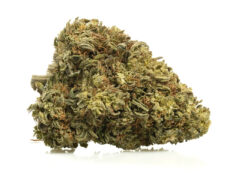
 Max CBDAMNESIA CBD BOOSTStarting from: 0,85 €/g
Glasshouse | CBD<40%
Grams5 10 20 50 100 200 400 -
Max CBDAK47 CBD BOOST
Indoor | CBD<47%
Starting from:HALLOWEEN SALE -10%
1,45 €1,30 €/gGrams5 10 20 50 100 200 -
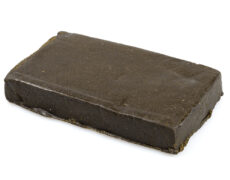
Max CBDCHARAS
CBD HASH | CBD<45%
Starting from:HALLOWEEN SALE -10%
0,90 €0,80 €/gGrams5 10 20 50 100 200 -
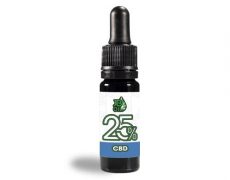
JB OIL 25%Starting from: 14,90 €
CBD Oil 25%
This is a chemistry explainer, not a how-to. We will cover what THCA is, what THC and delta 9 mean, the conversion step that links them, and why a laboratory report lists both. A note first: this describes composition and analysis, it does not give consumption instructions or make any health claim.
What THCA is
THCA, tetrahydrocannabinolic acid, is the form found in raw, living and freshly harvested cannabis. It is the acidic precursor sitting in the plant’s resin, and in this state it is non-intoxicating. Raw cannabis is essentially rich in THCA rather than in THC, which is a fact that catches a lot of people out.
The takeaway is that the plant does not really make much THC directly. It makes THCA, and something has to happen before that acid becomes the compound most people are actually thinking of.
Fresh cannabis is a THCA plant, not a THC plant. The famous molecule appears only after a change.
Read also: THCA: The Acidic Ingredient In Cannabis
What THC is, and where delta 9 comes in
THC, tetrahydrocannabinol, is the intoxicating cannabinoid, and the version usually meant is delta 9 THC. This is the form associated with the psychoactive effects of recreational cannabis, and it is the compound that drug laws are built around. Its acidic parent, THCA, does not carry those effects.
So the pair are chemically close relatives with completely different legal and practical weight. THCA is the dormant precursor; delta 9 THC is the active result. The distance between them is a single chemical step.
Decarboxylation: the step that changes everything
That step is called decarboxylation. When THCA is exposed to heat, and to a slower degree to time and light, it loses a carboxyl group, releasing carbon dioxide and converting into THC. It is the same basic reaction that turns a raw acid form into its active counterpart across several cannabinoids, CBDA into CBD included.
Picture it as a switch thrown by heat. Until that switch flips, the plant is carrying a precursor; after it, the molecule has changed identity. We are describing the chemistry here, not recommending anything be done with it.

Why a lab report lists both THCA and THC
This is where the distinction earns its keep. A serious certificate of analysis does not report one number, it reports THCA and delta 9 THC as separate lines, because the raw sample contains mostly the acid. To capture what the sample could become, laboratories calculate a total THC figure that combines the delta 9 THC already present with the THC that the THCA would yield on conversion.
That calculation uses a conversion factor, because THCA is a heavier molecule that sheds mass as carbon dioxide when it converts. It is why you sometimes see a total THC value that looks higher than the delta 9 line on its own. For anyone learning to read cannabinoid figures, this is one of the most useful things to understand.
The single most useful habit is reading total THC, not just the delta 9 line, because the two describe different moments in the plant’s chemistry.
What this means for compliant hemp
For compliant hemp the point is practical. The European framework caps eligible varieties at a harmonised 0.3 percent THC, a threshold set out in Regulation (EU) 2021/2115, and that testing is precisely why the THCA and THC lines on a certificate matter. A crop is judged on measured content, not on the strain name.
THCA itself is not a Justbob product; we are explaining it because it sits behind every honest batch report. A CBD flower is compliant because its analysis shows the numbers staying where the law requires, THCA included in the calculation.
The same measured logic applies to a CBD extract, where the concentration step makes an honest total THC figure matter even more.
THCA vs THC, one step apart
It all turns on a single conversion step. THCA is the non-intoxicating acid form found in raw cannabis, and it is what the plant mostly makes. THC, specifically delta 9, is the intoxicating form that appears after decarboxylation. And a laboratory reports both because total THC combines the two, which is exactly what compliance testing relies on.

What the Justbob catalogue offers is hemp grown by EU partners from catalogue varieties, analysed batch by batch, and sold for technical and ornamental purposes.
Read also: Where Is THC Found In The Plant?
Frequently asked questions about THCA vs THC
What is the difference between THCA and THC?
THCA, tetrahydrocannabinolic acid, is the non-intoxicating acid form found in raw, living cannabis, while THC, usually delta 9 THC, is the intoxicating form associated with recreational cannabis. The plant mostly makes THCA, and it only becomes THC after a chemical step called decarboxylation. They are close chemical relatives with very different legal and practical weight.
How does THCA turn into THC?
Through decarboxylation. When THCA is exposed to heat, and more slowly to time and light, it loses a carboxyl group, releasing carbon dioxide and converting into THC. The same type of reaction converts other acidic cannabinoids into their active forms, such as CBDA into CBD. This explains why raw cannabis behaves differently from cannabis that has been heated.
Why do lab reports show both THCA and THC?
Because a raw sample contains mostly the acid, THCA, rather than delta 9 THC. To describe what the sample could become, laboratories report both lines and calculate a total THC figure that combines the delta 9 THC present with the THC the THCA would yield on conversion. A conversion factor is used because THCA loses mass as carbon dioxide when it converts.
Does THCA matter for legal hemp?
Yes. The European framework caps eligible hemp varieties at a harmonised 0.3 percent THC, and compliance testing relies on measuring both THCA and delta 9 THC. A crop is judged on its analysed content rather than its strain name, which is why the THCA and THC lines on a certificate of analysis are central to whether a product is compliant.