
Published on: 12/08/2026
A label claim with no standard behind it
Triple filtered hash, 3x filtered, triple filtration: the phrase turns up across hash listings and it sounds like a specification. It is not one. No standard defines how many filtrations make a product triple filtered, which bags count, or what the result has to look like. It is a description of a process, written by the seller.
-
 Max CBDAMNESIA CBD BOOSTStarting from: 0,85€/g
Glasshouse | CBD<40%
Grams5 10 20 50 100 200 400 -
Max CBDAK47 CBD BOOSTStarting from: 1,45€/g
Indoor | CBD<47%
Grams5 10 20 50 100 200 -
Max CBDCHARAS
CBD HASH | CBD<45%
Starting from:FLASH SALE -10%
0,90€0,80€/gGrams5 10 20 50 100 200 -
JB OIL 25%Starting from: 14,90€
CBD Oil 25%
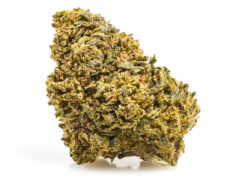
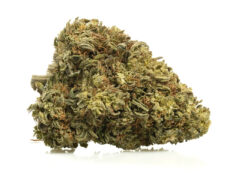
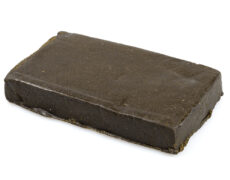
That does not make it meaningless. It points at something real, and the real thing is measurable. This guide separates the two: what the filtering actually is, why the counting is arbitrary, and which figure on the same label you can genuinely check.
What is being filtered
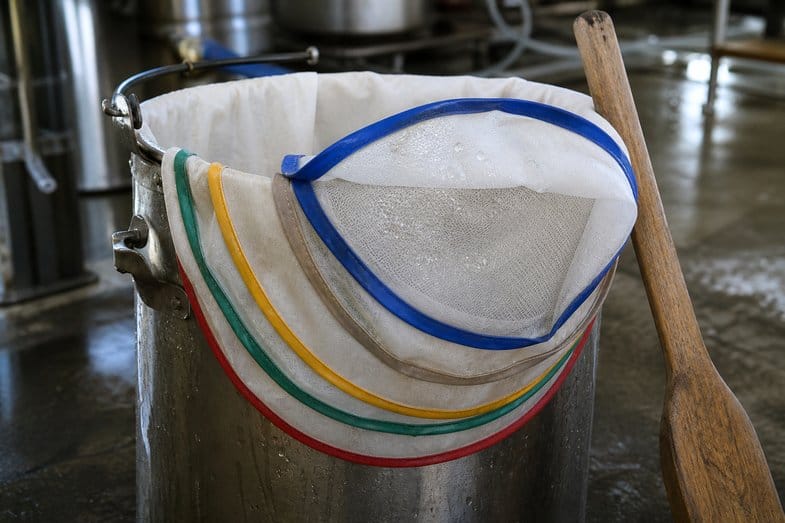
The phrase belongs to water separation, one of the two routes by which resin is separated from plant material. Cold water is the medium, and the separation works on physical differences: the resin heads are denser than the leaf around them and they behave differently in water.
The filtering itself is a question of aperture. Mesh of decreasing fineness, measured in micron, retains particles by size, so material ends up sorted rather than selected. That sorting step is what the word filtered on a label refers to.
This article explains what the terms denote. It is not a description of how to carry the process out.
Where the “triple” comes from
From a count that nobody has ever standardised.
The number refers to stages, and no definition says which stages count. One producer may count the meshes used, another the collection points, another the steps of an in-house procedure. Two products can therefore carry the same phrase and describe different things, and neither description is wrong. They simply are not comparable, which is the whole difficulty.
The number beside it, which does mean something
Compare that with the micron figure printed on the same kind of listing. A micron is a thousandth of a millimetre, and it states the aperture of the mesh: 73 micron is 73 micron in any workshop in Europe.
That is the difference worth internalising. Triple filtered is a claim about how many times something happened. 73 micron is a measurement of the thing it happened through. One is counted by the person selling it, the other is a physical dimension.
The band of apertures in common use follows the plant rather than fashion. Research published in Plant Cell Physiology in 2025 reported that modern cannabis trichomes are larger than those of landrace ancestors, which is a reminder that the mesh sizes exist to catch a particle of a particular size.
Water separation against dry screening
Hash reaches a jar by two main routes, and filtering belongs to one of them.
- Water separation. Cold water as the medium and mesh of decreasing aperture. The word filtered belongs here, because a liquid genuinely passes through a mesh.
- Dry screening. No water at all. The separation happens against fine screens instead, sorting the same particles by the same principle.
Both sort by particle size and both end in a powder that can be pressed. They give different textures and different colours, and the vocabulary on the label usually tells you which route was taken before any adjective does.
Read also: Dry Sift Hash Explained, From Kief To Micron
Reading the rest of the listing
Two other phrases travel with this one and cause their own confusion.
3x filtered CBD stacks a process claim onto a compound name, and the two parts answer different questions: one is about how the material was separated, the other about what the analysis found in it. CBG hash names a different cannabinoid altogether, cannabigerol rather than cannabidiol, which is a matter of the starting variety and not of the filtering at all.
None of these are wrong to use. They are simply doing different jobs, and reading them as one continuous quality statement is how buyers end up comparing things that were never comparable. Texture is a similar case: our guide to what compact texture can mean covers why firmness alone tells you less than it seems to.
What you can actually check
Strip out the adjectives and a short list remains.
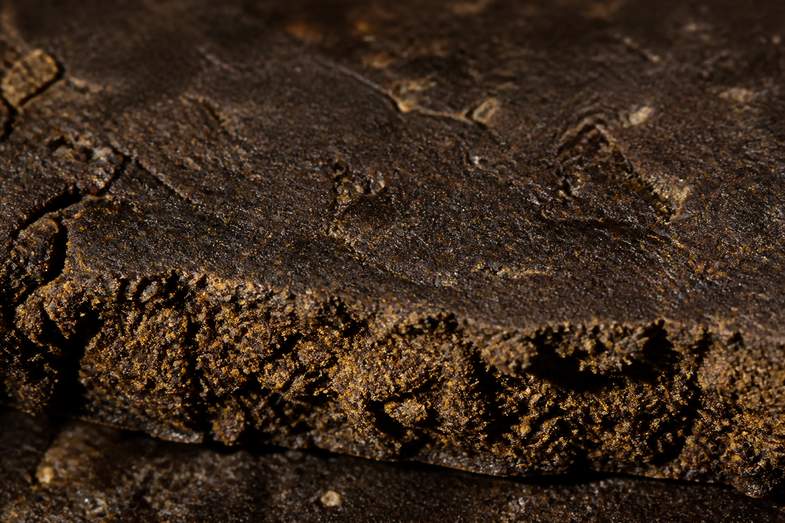
The micron grade, because it is a dimension. The lot number, because it ties the jar to a document. The analysis behind that lot, because it states what was measured rather than what was claimed. Colour and texture, because you can see them and they are consistent with one route or the other.
Everything else on a hash listing is description. Useful description, often accurate, but written rather than measured.
The comparison the phrase cannot support
It is not a question the phrase can answer, which is the honest reply. More passes through finer mesh generally means less plant matter carried through, and that is a real consequence of the process. But without knowing which bags, which apertures and which stages were counted, the number three on its own does not let you compare two jars.
Our CBD hash listings state the grade and carry a lot reference, and each batch is analysed before it goes on sale.
What goes into the bags counts as much as how many of them there were: the starting material is frequently trim, and what it contains sets the limit for everything downstream. What Justbob lists is sold for ornamental and collector purposes.
Frequently asked questions about triple filtered hash
What does triple filtered hash mean?
It means the producer counted three filtration stages in a water separation process, where cold water is the medium and mesh of decreasing aperture sorts particles by size. No standard defines which stages count, so the phrase describes a process as the seller counts it rather than a defined specification.
Is triple filtered the same as 3x filtered?
Yes, they are the same claim written two ways, and neither is regulated. One producer may count the meshes used, another the collection points, another the steps of an internal procedure. Both descriptions can be accurate and still not be comparable with each other.
What is the difference from dry sifted hash?
The medium. Water separation uses cold water and mesh, so material genuinely passes through a filter. Dry screening uses no liquid at all and sorts against fine screens instead. Both separate by particle size and both end in a powder that can be pressed.
What should I look at instead?
The micron grade, which is a measured aperture rather than a count, and the lot number that ties the product to its analysis. Colour and texture are also worth reading, since they are consistent with one separation route or the other. Those are checkable; adjectives are not.