

Modified on: 17/09/2026
CBD Hash Density: What It Reveals About Texture and Quality
A compact piece of CBD hash can look impressive in a product photo: a dark edge, a neat block shape, and a slightly resinous surface that invites a closer look. CBD hash density is exactly this kind of detail. It can provide useful information about texture, consistency and processing, but it should never be considered the only indicator of quality.
The better evaluation comes from looking at several details together. On Justbob, a CBD hash product page should connect density, resin character, aroma, product format, label information and batch analysis to give customers a complete and transparent overview.
-
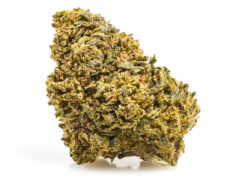
 Max CBDAMNESIA CBD BOOSTStarting from: 0,85 €/g
Glasshouse | CBD<40%
Grams5 10 20 50 100 200 400 -
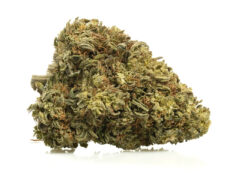
Max CBDAK47 CBD BOOST
Indoor | CBD<47%
Starting from:HALLOWEEN SALE -10%
1,45 €1,30 €/gGrams5 10 20 50 100 200 -
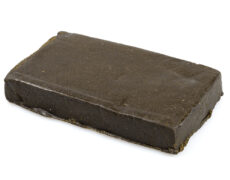
Max CBDCHARAS
CBD HASH | CBD<45%
Starting from:HALLOWEEN SALE -10%
0,90 €0,80 €/gGrams5 10 20 50 100 200 -
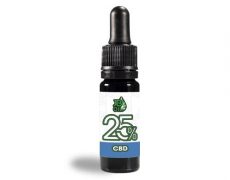
JB OIL 25%Starting from: 14,90 €
CBD Oil 25%
Think of density like the weight of a small notebook in your bag. It may feel substantial, but you still need to open it to understand what is inside. With CBD hash, the “inside” is not a promise, density alone does not tell the whole story. The complete picture comes from product description, images, lot information and certificate of analysis. CBD hash density can help describe the physical characteristics of a product, such as its compactness and texture, but other factors also play an important role. A well-presented CBD hash product should always provide clear information about its origin, characteristics and quality controls.
What CBD hash density means: texture, consistency, and product appearance
CBD hash density describes how compact the product appears compared with its size. A dense CBD hash piece may look firm, pressed and cohesive, while a softer CBD hash may appear more flexible. A crumbly CBD hash may break visually into smaller fragments or show a looser structure, with visible fragments or a more open surface texture.
This does not mean that one texture is automatically better than another. CBD hash density is a physical characteristic, not a quality score. It belongs beside words such as texture, consistency, pressure, resin and overall appearance. Density alone should not be linked to personal expectations or results.
CBD hash is made from hemp-derived resinous material and processed into a compact product format. Traditional hash terminology often refers to resin, pressure and texture because these characteristics can be observed visually and physically. In the CBD market, a responsible product description should also include clear documentation, such as cannabinoid profile, THC value, lot number and batch report. In fact, density can be interesting, but documentation does the serious work.
Read also: CBD Crumble: Extract Texture And Format Notes – Justbob
Compact, soft and crumbly CBD hash
CBD hash can have different textures and levels of density depending on its structure and processing. Understanding the difference between compact, soft and crumbly CBD hash helps describe the product appearance more accurately, without making assumptions based only on texture.
- Compact CBD hash
It generally has a tight and uniform appearance. The surface may look smooth, slightly glossy or firm depending on the product characteristics. This type of structure can create clean edges in product photos, making it visually distinctive.
- Soft CBD hash
It may appear more flexible, with a slightly different surface texture and light reflection.
- Crumbly CBD hash
It has a looser structure and may show small flakes or a more granular appearance. These differences are natural physical traits and should not be interpreted as a direct indicator of quality.
CBD hash texture is best evaluated like a product photography checklist. Consider compactness, colour, surface appearance, visible resin characteristics and whether the images match the written product description. Then verify whether the available label information and certificate of analysis support the product details.
For plant-chemistry background, a PubMed Central review on cannabinoids and terpenes gives wider context for the Cannabis sativa compounds often discussed near resin, aroma and product characteristics, including density.

Pressure, resin and appearance
The difference between different types of hashes depends on how hashes are produced. Pressure is one reason CBD hash can become compact. Resinous material is gathered, shaped and pressed into a format that holds together. The details vary by product type, but the visual language is familiar: block, piece, slab, crumbly fragment, smooth face, darker edge.
Resin is the bridge between plant and hash vocabulary. It is linked to trichomes, aroma, surface shine and texture. That is why resin-related terms appears in CBD hash, dry sift hash, bubble hash and other hashish terms. It helps explain why the product looks different from loose CBD flower.
Dry sift hash and bubble hash are often discussed as process families. The important editorial point is not to turn them into a recipe. In a product guide, they are useful terms for understanding texture, collection methods and visual characteristics.
Heat and pressure can be part of hash vocabulary, but they should remain general product-language terms in this article. The reader does not need a workshop manual. The reader needs to understand why a dense piece may look compact and why that still has to be considered together with the product page information.
Density is not a promise
The old search intent around “strong” hash often moves the conversation in the wrong direction. For Justbob, that approach should be avoided. CBD hash density should not be framed as a ranking contest, a personal-result shortcut or a way to rank products only by appearance.
Density is one visual characteristic among others. A dense CBD hash piece may have been pressed more firmly. It may contain resinous material in a compact format. It may appear with stronger contrast. That is all. The product still requires label clarity and analysis documents.
This is also why “CBD hash quality” should be handled carefully. Quality is not defined by a single adjective. It is the combination of selected EU producers, consistent product information, appearance, texture, aroma, packaging care and batch documentation. Density adds context, it does not tell the entire story on its own.
How product photos should be read
A CBD hash photo should help the reader observe the product clearly and understand its physical characteristics. The most useful visual details are shape, color, compactness, surface texture, edge definition and whether the product appears dry, soft or crumbly. Good product photos should also make the size and format easier to understand.
However, a photo should always be considered together with the product description. A close-up image can show resin texture and surface details, but it cannot provide information about the complete cannabinoid profile. A compact block can show the structure of the product, but it cannot confirm batch values or lab results. This information belongs in the certificate of analysis.
Justbob carries out constant analyses on all commercialised products and on every individual lot. The analysis documents are available directly on each commercialised product page, so readers can check the batch documents connected to the product they are interested in.
This is the correct approach to product photography. The image helps understand the appearance, the product page explains the characteristics, and the documentation confirms the measured information.

CBD hash density and CBD flower
CBD hash and CBD flower share the same hemp origins, but they represent two different product formats. CBD flower keeps the natural structure of the plant visible: buds, leaves, trichomes, resin and aroma characteristics. CBD hash, on the other hand, is a more compact format based on resinous material, pressure and texture.
This distinction is important both for readers and for product information. A CBD flower page should focus on the characteristics of the flower format, while a CBD hash density article should explain concepts such as compactness, resin, texture and appearance. Each page should provide the right information for its specific purpose while supporting the wider product category.
The difference is simple but useful: CBD flower represents the visible plant format, while CBD hash represents a resin-based format with different physical characteristics. Both formats should always be supported by clear product information and available documentation.
Read also: CBD Hash Texture: What Soft, Firm and Crumbly Can Mean
Density, price and product expectations Final Thoughts on CBD Hash Density
Dense CBD hash can look more substantial visually, but price should never be judged by compactness alone. Product range, format, resin characteristics, cannabinoid profile, batch information and overall brand standards all contribute to how a product is positioned.
This is where a balanced approach is important. A very dense appearance may attract attention, but density alone does not provide a complete evaluation. A softer texture may be completely consistent with another product style, while a crumbly format may be an intentional characteristic of the product. The role of the page is to explain these differences rather than relying on density as the main selling point.
The same principle applies to colour. Darker CBD hash, lighter CBD hash and greenish resin tones can all appear depending on the product family and processing style. Colour is part of the visual description, but it should not become a simple ranking factor.
Good product copy should feel less like a sales argument and more like a careful product note: compact structure, resinous surface, natural colour variation, clear batch reference and certificate availability. It may sound less dramatic, but it provides the information customers actually need.
Final Thoughts on CBD Hash Density
CBD hash density is mainly a result of the physical structure of the product, including how resinous material is compacted and how the final texture develops. A denser piece may appear more solid, uniform and compact, while a softer or more crumbly texture reflects a different structure.
Understanding density means reading these differences correctly. It is a characteristic of appearance and consistency that helps describe CBD hash, but it should be viewed as part of the product’s natural physical variation rather than as a simple measurement of value.
Density can explain how a product looks and feels, but transparency is what allows customers to understand what they are choosing. The best approach is therefore simple: observe the texture, read the product information and rely on documented analysis. CBD hash density adds context, but the full value of a product comes from the combination of quality controls, consistency and reliable information.
🌿Want to know more about the CBD cannabis products available in our catalog? Visit the Justbob online store.
Frequently asked questions about CBD hash density
What does CBD hash density mean?
CBD hash density describes how compact or pressed the product appears compared with its size. It is a texture and appearance clue, not a product ranking.
Is denser CBD hash always better?
No. Denser CBD hash is not automatically better. Texture, resin character, label information and batch analysis all matter when reading a CBD hash product page.
How should CBD hash photos be read?
Read CBD hash photos by checking compactness, color, surface texture and edge definition. Then compare the image with the product description and certificate of analysis.