Published on: 11/08/2026
A 1977 statute, an EU member state, and a question that gets asked every summer
No. Cannabis for personal, non-medical use is not lawful in Cyprus, and the island is one of the stricter jurisdictions in the European Union on the subject. That is the answer, and the rest of this guide explains the shape of it: which law applies, what the 2003 thresholds changed, where medical cannabis stands, and how hemp and CBD are treated separately from all of the above.
-
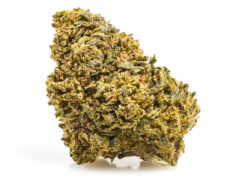
 Max CBDAMNESIA CBD BOOSTStarting from: 0,85€/g
Glasshouse | CBD<40%
Grams5 10 20 50 100 200 400 -
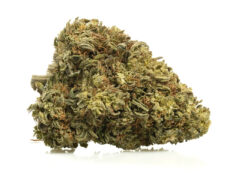
Max CBDAK47 CBD BOOSTStarting from: 1,45€/g
Indoor | CBD<47%
Grams5 10 20 50 100 200 -
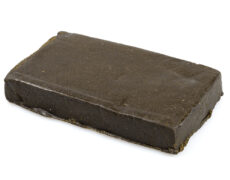
Max CBDCHARAS
CBD HASH | CBD<45%
Starting from:FLASH SALE -10%
0,90€0,80€/gGrams5 10 20 50 100 200 -
JB OIL 25%Starting from: 14,90€
CBD Oil 25%
One note before we start. This is general information drawn from published sources, not legal advice, and this area of law moves. If a decision depends on it, check the current position with a qualified professional in Cyprus rather than with a blog.
What the law in Cyprus actually says
Cannabis in Cyprus is controlled under the Narcotic Drugs and Psychotropic Substances Law, in force since 1977, which places it in Class B. Possession, supply, cultivation and import are all offences under that statute, and the penalties written into it are severe: reported maxima run to eight years for possession and up to life imprisonment for trafficking.
The important detail is that the statute is old and the country around it changed. Cyprus joined the European Union in 2004, so a national criminal statute written in the 1970s now sits alongside EU internal market rules that did not exist when it was drafted. Much of the confusion around this question comes from that overlap.
Read also: CBD Laws In Europe: A Careful Checklist
The 2003 thresholds: 30 grams and three plants
An amendment in 2003 softened the picture at the lower end by introducing quantities. Under 30 grams of cannabis, and fewer than three plants, a case is generally handled as personal possession. From 30 grams, or from three plants, the law presumes an intention to supply, and the charge moves into a much heavier category.
Presumption is the operative word. The thresholds are not an allowance and they do not make anything lawful. They decide which of two very different offences a court starts from.
Medical cannabis: 2017, then 2019
Cyprus opened a medical route in stages, and the stages matter more than the headlines. A first opening in 2017 is generally described as a narrow authorisation covering cancer patients rather than a broad medical cannabis law. A further step in 2019 widened the picture, extending the range of eligible conditions and providing for licensed cultivation and production.
Published summaries agree that the patient pathway has stayed narrow in practice, with access handled case by case rather than through an ordinary prescribing route, and without the range of approved products found in some other member states. How much of that reflects a transitional arrangement rather than the settled position is exactly the sort of detail that changes, so anyone who needs the current answer should take it from a Cypriot source rather than from a summary.

Where hemp and CBD sit
Industrial hemp is a different legal object from cannabis, and this is the part most articles blur. Hemp is an agricultural crop grown from varieties registered in the EU common catalogue, and within the European framework it is not handled as a controlled substance while it stays inside the thresholds set for it.
CBD products sit downstream of that distinction, and this is where general answers stop being useful. What a member state accepts depends on the product category, on how it is presented, and on national rules that are not harmonised across the Union. Our overview of CBD rules across Europe sets out how differently the same question is answered from one member state to the next.
Read also: Is CBD Legal In Austria? A 2026 Source Guide
Why you see both 0.2 and 0.3 percent
Two numbers circulate, and they are not in competition. They measure different things.
- 0.3 percent is the EU agricultural threshold. Since 1 January 2023 it is the maximum THC content for hemp varieties eligible for cultivation support under the common agricultural framework, and it applies to the crop in the field.
- 0.2 percent is the older agricultural figure, still widely quoted, and it is also the number commonly cited for finished consumer products in several national markets, Cyprus among them. It is a national-level matter, not a harmonised EU one, and it is the figure most often reported rather than one we can point to in a single European text.
Picture two pieces of paper side by side. One describes a field, the other describes a jar on a shelf, and they are not required to agree. So a crop can be compliant at 0.28 percent in that field while a finished product sold under a national 0.2 percent rule still has to sit below the lower figure. Reading the two numbers as a contradiction is the single most common mistake in this topic. Reading either of them as a settled answer for a specific product, without checking the national source, is the second.
Hemp flower, a category of its own
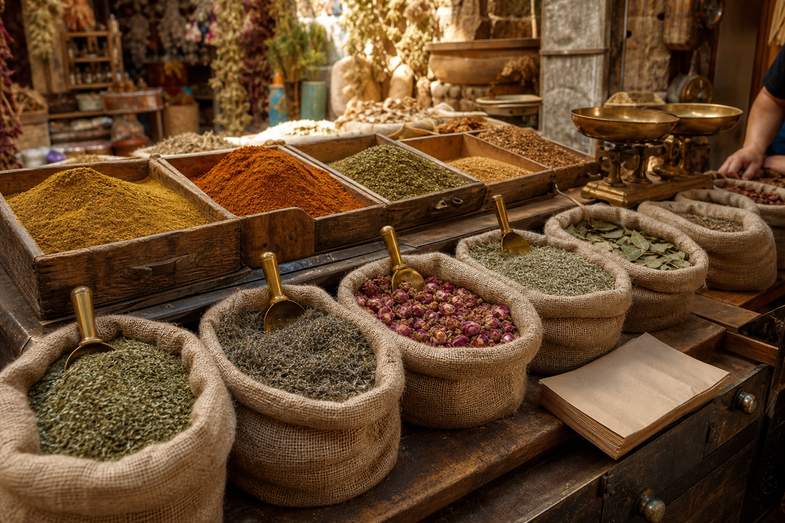
Dried hemp flower occupies an awkward position that extracted formats such as CBD oil do not, and there are two separate reasons for it. The first is legal: several member states restrict the flower form specifically, as a product category, independently of how much THC it contains. The second is practical: low-THC hemp flower looks like cannabis and smells like cannabis, and it cannot be told apart from the controlled article by eye. Press reports of low-THC consignments being seized in various jurisdictions turn on that second point.
That asymmetry is worth understanding on its own terms. The chemistry is settled by a laboratory; a first impression is not, and the two do not happen at the same moment.
Reading the situation from outside Cyprus
For a reader in the European Union, the useful summary is short. Cannabis for personal, non-medical use remains prohibited in Cyprus under a 1977 statute carrying serious penalties. A medical route exists and is reported to be narrow in practice. Hemp and CBD are governed as agricultural and consumer matters rather than as controlled substances, under rules that are only partly harmonised at European level.
For completeness on the international framework, the World Health Organization published a critical review report on cannabidiol through its Expert Committee on Drug Dependence in 2018, which is the reference point most national discussions start from.
One last piece of housekeeping: Cyprus is not among the destinations we ship to, so treat this piece as background and not as a sales route. The Justbob catalogue sits inside the European hemp framework set out above, and its products are sold for technical and scientific purposes.
Frequently asked questions about cannabis law in Cyprus
Is weed legal in Cyprus?
No. Cannabis for personal, non-medical use is prohibited in Cyprus under the Narcotic Drugs and Psychotropic Substances Law of 1977, which classifies it in Class B. Possession, supply, cultivation and import are offences, with reported maximum penalties of up to eight years for possession and up to life imprisonment for trafficking. There is no lawful adult retail market on the island.
What do the 30 gram and three plant figures mean?
They are thresholds introduced by a 2003 amendment, and they decide how a case is framed rather than whether something is lawful. Under 30 grams, and fewer than three plants, a matter is generally treated as personal possession. From 30 grams, or from three plants, the law presumes an intention to supply, which is a considerably more serious charge.
Is medical cannabis available in Cyprus?
In a limited form. A first opening in 2017 is generally described as a narrow authorisation for cancer patients, and a further step in 2019 widened the eligible conditions while providing for licensed cultivation and production. Published summaries agree that access is still handled case by case rather than through an ordinary prescribing route, without the range of approved products found in some other member states.
Is CBD legal in Cyprus?
Hemp derived products are not handled as controlled substances in the European framework, but the answer for a specific product is a national one. The figure most often cited for finished consumer products in several markets, Cyprus included, is 0.2 percent THC, and it is a national-level matter rather than a harmonised European one. Note also that dried hemp flower is a more sensitive category than extracted formats, because it cannot be distinguished from controlled cannabis by appearance alone.