Modified on: 13/07/2026
A legal answer should start with sources
Is CBD legal in Austria is a question where the useful answer should carry a small paper trail. This page does not give legal advice; it points to where the answer actually lives: the official sources, the EU hemp framework and the product documents that let a reader check a specific item. Read this way, the question becomes less about a single yes or no and more about knowing which sources to open, because rules sit with the authorities and can change over time.
-
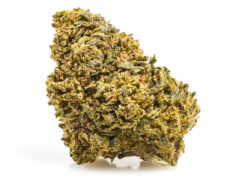
 Max CBDAMNESIA CBD BOOSTStarting from: 0,85€/g
Glasshouse | CBD<40%
Grams5 10 20 50 100 200 400 -
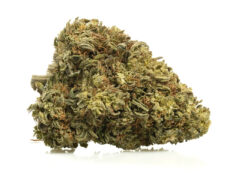
Max CBDAK47 CBD BOOSTStarting from: 1,45€/g
Indoor | CBD<47%
Grams5 10 20 50 100 200 -
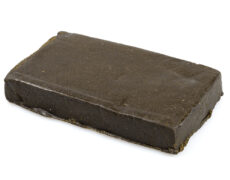
Max CBDCHARAS
CBD HASH | CBD<45%
Starting from:SUMMER SALE -10%
0,90€0,80€/gGrams5 10 20 50 100 200 -
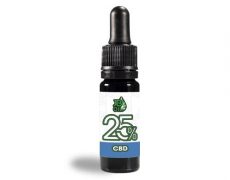
JB OIL 25%Starting from: 14,90€
CBD Oil 25%
Picture a desk at a border with a small stack of paperwork, each sheet doing one plain job of confirming what is what. That is the honest setting for the question. A legal page like this is a map to official sources rather than a ruling, and the most useful thing it can do is send a reader to the documents that carry real authority.
Is CBD legal in Austria
Is CBD legal in Austria is best read as a pointer, not a promise. Austria is a member of the European Union, so the EU industrial hemp framework provides the shared backdrop: hemp grown from registered varieties with THC kept at or below the 0.3 percent threshold harmonised at European level. National rules sit alongside that framework and can differ in detail, which is exactly why this page sends a reader to official sources rather than offering a verdict.
Kept at that level, the question stays manageable. The general European backdrop is public and stable; the national detail belongs to the Austrian authorities and to current official texts. A page can describe where to look and what a product document shows, and it should stop short of telling anyone what is permitted in their own situation.
An official source map
A careful answer starts with a short map of sources. The European framework is set out in EU law, which any reader can consult directly; the national position belongs to the relevant Austrian authorities, the responsible federal ministries and official agencies, and their current publications. Reading those, in that order, places a single product inside the wider picture rather than relying on a forum post or an old guide.
This is where the paper trail matters. An official text carries weight that a summary cannot, and it is also kept up to date, which a blog page is not. The honest role of this page is to name the kinds of sources worth opening and to remind a reader that the authoritative answer is the current official one, not a snapshot written months ago.

Read also: CBD Flower Legal Framework: The Rules Behind The Label
Product labels and lot checks
Alongside the sources sits the product document. Whatever the wider rules, a specific item can be read against its own paperwork: the label, the named figures and the certificate of analysis for the lot. On a CBD oil page, the THC figure is checked against the 0.3 percent threshold and the CBD figure is stated as indicative, so the product carries its own record.
This is the part a reader can actually verify. A label and a lot certificate are concrete, and reading them is how a single product is placed against the framework described above. The document does not settle a national legal question on its own, but it does let a reader see exactly what an item contains, which is the practical companion to checking the official sources.
A document made for crossing borders
The idea that the right paper smooths a border is an old, practical one. In 1961, an international customs convention created the ATA Carnet, often called a passport for goods, a single document that lets items cross many borders with their status already recorded. The point was simple: a clear, recognised paper removes guesswork that words alone cannot.
A legal page works on the same plain principle. Is CBD legal in Austria is easier to approach when the answer rests on recognised documents, the official texts and the product certificate, rather than on hearsay. The carnet let goods travel on the strength of a clear record; a careful reader travels the same way, on official sources and a product document rather than on a confident guess.

Read also: Is CBD Legal in Italy? What To Know Before Reading Old Guides
Austria and the EU hemp context
The wider context is the EU hemp framework itself. Hemp grown from registered varieties, with THC kept at or below the 0.3 percent threshold harmonised at European level, is the shared European backdrop within which Austria, as a member state, sits. Our legal hemp note describes that framework in plainer terms.
For an official overview of hemp as an EU crop, the European Commission page on hemp sets out the framework, and it is the kind of current, authoritative source this page points to. National detail should always be checked against current official Austrian publications, because a blog page records a moment while the official position is the one that stays in force.
Is CBD legal in Austria on a Justbob page
On a Justbob product page, the role is narrow and practical: a label, the named figures stated as indicative, and the certificate that confirms them. Every commercialised product is analysed and each batch is checked, with the document available on the product page, so a reader can see exactly what a single item contains.
Every product is grown by selected EU hemp partners and sits inside the EU industrial hemp framework, with THC kept at or below the 0.3 percent threshold harmonised at European level. Each one is offered for technical, scientific and ornamental purposes only. Read this way, the question is answered not by this page but by the official sources and the product document a reader can open for themselves on the Justbob site.
Frequently asked questions about CBD in Austria
Is CBD legal in Austria?
This page does not give a legal ruling; it points to where the answer lives. Austria is an EU member, so the European industrial hemp framework provides the shared backdrop, with hemp from registered varieties and THC kept at or below the 0.3 percent threshold harmonised at European level. National detail belongs to the Austrian authorities and to current official texts, which can change over time. The reliable answer for any situation is the current official one, read alongside the product certificate for a specific item, rather than a summary on a blog.
Which official sources should be checked?
Two layers. The European framework is set out in EU law, which a reader can consult directly for the shared rules; the national position belongs to the relevant Austrian authorities, the responsible federal ministries and official agencies, and their current publications. Reading the European backdrop first and the national detail second places a single product in context. Because official texts are kept up to date and a blog page is not, the authoritative source is always the current official one.
Why do labels matter?
Because a label and a lot certificate are what a reader can actually verify. Whatever the wider rules, a specific product can be read against its own paperwork, where the THC figure is checked against the 0.3 percent threshold and the CBD figure is stated as indicative. The document does not settle a national legal question by itself, but it shows exactly what an item contains, which is the practical companion to checking the official sources.