Modified on: 17/09/2026
A Simple Reading of the CBD Oil Label
A small CBD oil label can feel oddly crowded: a few ingredients, a batch code, a percentage, a purpose statement and sometimes a lot of tiny print. It is the kind of label you tilt toward the light, as if the bottle were hiding a secret in font size eight. On Justbob, the better approach is less dramatic: read the ingredient list without rushing, then match it with the product page and lab documentation.
Understanding the symbols printed on a CBD oil label can also help readers identify important product information at a glance and understand what each mark refers to.
This guide explains the ingredient list as a label-reading topic. It is not about old interaction questions, personal routines, preparation methods or wellness promises. The useful questions are more practical: what is the carrier oil, where does the hemp extract appear, what does the percentage refer to, and how does the batch information connect with the certificate of analysis?
-
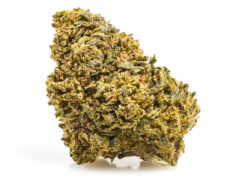
 Max CBDAMNESIA CBD BOOSTStarting from: 0,85 €/g
Glasshouse | CBD<40%
Grams5 10 20 50 100 200 400 -
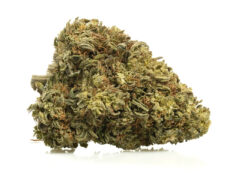
Max CBDAK47 CBD BOOST
Indoor | CBD<47%
Starting from:HALLOWEEN SALE -10%
1,45 €1,30 €/gGrams5 10 20 50 100 200 -
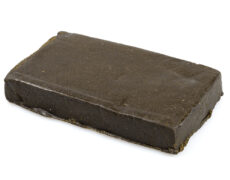
Max CBDCHARAS
CBD HASH | CBD<45%
Starting from:HALLOWEEN SALE -10%
0,90 €0,80 €/gGrams5 10 20 50 100 200 -
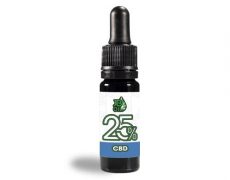
JB OIL 25%Starting from: 14,90 €
CBD Oil 25%
JustBob analyses all available products and their batches on an ongoing basis. The relevant lab documentation is available inside each product page, so the ingredient list, batch details, CBD content and quality checks can be read together. That is where quality controls and product documentation become visible instead of sitting behind a vague phrase like premium.
What CBD oil ingredients usually means
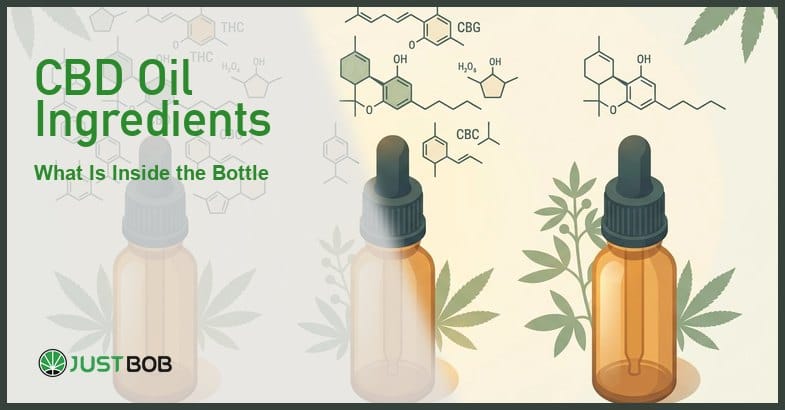
The phrase “CBD oil ingredients” usually refers to the short list of components printed on the label or shown on the product page. In a simple CBD oil product, that list may include a carrier oil and a hemp-derived extract containing cannabidiol (CBD) and other cannabinoids.
The word “usually” matters. Ingredient lists can change from one product type to another, and labels should be read product by product. A good product page should not ask the reader to guess whether the oil contains hemp seed oil, another carrier oil, hemp extract, terpenes or added ingredients. A clear ingredient list should behave like a well-arranged drawer. You open it, everything has a place, and nothing makes you wonder why there is a cable from 2009 sitting next to the documents. CBD oil ingredients should be plain enough to compare without needing a chemistry degree.
The label is also different from marketing language. Words such as broad spectrum, full spectrum or premium CBD describe a product style or commercial positioning. The ingredient list should still show what is actually in the bottle.

Read also: CBD Oil Certificate Checklist: What To Read – Justbob
Carrier oil and hemp seed oil
Carrier oil is the base oil that holds the hemp extract in a stable liquid form. Hemp seed oil is one possible carrier oil. Other formulas in the wider CBD market may mention different bases, but the principle is the same: the carrier oil is the foundation of the product.
Hemp seed oil comes from hemp seeds, while the cannabinoid-rich extract comes from the hemp plant material used for extraction. That distinction is important because hemp seed oil itself is not the same thing as cannabidiol. A label that says hemp seed oil still needs to clarify where the CBD component appears. This is a common place where readers get lost. The label may show hemp seed oil first because it is the largest part of the formula. Then the hemp extract or cannabidiol (CBD) reference explains the cannabinoid component. The order of the list is not a personality test; it is a way to understand the product’s composition.
For CBD products, the useful habit is to read the base oil and the extract together. If the product page explains both clearly, the ingredient list becomes easier to trust.
Hemp extract, cannabinoids and terpenes
The hemp extract is the part that brings cannabinoids into the formula. Cannabinoids can include CBD, other cannabinoids and traces of THC within the declared threshold. Some ingredient lists may also mention terpenes, which are aromatic compounds found in hemp and many other plants.
This is where terms like full spectrum and broad spectrum appear. Full spectrum usually suggests that the hemp extract keeps a wider profile of cannabinoids and terpenes. Broad spectrum often points to a wider profile too, with a different THC handling approach depending on the product and documentation.
This is a common place where readers get lost. The label may show hemp seed oil first because it is the largest part of the formula. Then the hemp extract or cannabidiol (CBD) reference explains the cannabinoid component. The order of the list is not a personality test; it is a way to understand the product’s composition. For CBD products, the useful habit is to read the base oil and the extract together. If the product page explains both clearly, the ingredient list becomes easier to trust.
Percentages, CBD content and batch references
CBD oil ingredients tell you what is inside the product. Percentages and batch references tell you how the product is identified. A label may show the CBD content, a total amount, a percentage, a lot number or a batch code. These details should match the product page.
For a reader, the batch reference is one of the most useful parts of the label. It connects the bottle to the certificate of analysis and the lab report. Without that connection, the ingredient list is only half of the story. At JustBob, each available product page includes the relevant analysis for the product and batch. That means the reader can compare the ingredient list with lab details rather than relying only on the front label.
The THC information also belongs in this document-checking mindset. The label, product page and lab report should be consistent. A number on a page is easier to understand when the batch document supports it.
Ingredient list vs marketing language
Ingredient lists should be specific. Marketing language can be more colourful. The problem begins when the colourful part tries to do the work of the specific part.
Phrases such as highest quality, best CBD or premium hemp may appear across the CBD market, but they do not replace a clear list. If a product claims careful sourcing or quality control, the label and documentation should make that claim easy to check. This is why we prefer plain ingredient writing. Carrier oil. Hemp extract. Cannabinoids. Terpenes. Batch. CBD content. Certificate of analysis. A label does not need to sound like a festival poster to be useful.
The same goes for words like natural. Natural can describe a plant origin, but it should not become a shortcut for everything else. The reader still needs the actual ingredient list and product checks.
Why labels should stay in label language
CBD oil ingredients should not be mixed with old interaction questions. A label is not the place to discuss outside products, personal conditions, wellness reactions or any routine built around the bottle.
Surfer results and search pages often drag CBD oil topics toward food products, novel food, tinctures and daily routines. For the UK context, the Food Standards Agency CBD guidance is the official place for regulatory information on CBD in food-related contexts. This article stays with product composition and label literacy. For Justbob, the safer and clearer frame is technical, scientific and ornamental. That keeps the product description aligned with the label and avoids turning an ingredient article into advice about the body.
CBD oil intended for pets should likewise be considered separately from ingredient-list analysis, as its suitability depends on factors beyond the information printed on the bottle.
If a reader wants one practical rule, here it is: the label should explain the product, not tell a personal story on your behalf. That small distinction does a lot of work.
Read also: What is the best way to store weed? Tips from the experts
How to compare CBD oil ingredient lists
To compare CBD oil ingredients, start with the base. Is the carrier oil named clearly? Then look for the hemp extract and the cannabinoid information. Next, check whether the product page shows CBD content, THC information and a batch reference. Then look for the certificate of analysis (CoA). A well-structured product page should make the document easy to find. If the ingredient list says one thing and the lab document points somewhere else, the page deserves closer reading.
When browsing CBD oil, this is the cleanest sequence: label first, product page second, batch document third. The order is not flashy, but it works. Ingredient literacy is mostly good housekeeping with better lighting.
Do not let the number of CBD products on the market make the process feel more complicated than it is. Most comparisons start with the same ordinary checks: list, label, batch, document, consistency.
Final checklist for reading the bottle
Before comparing CBD oil products, ask a few patient questions. Does the label name the carrier oil? Does it mention hemp extract or cannabidiol (CBD)? Does the product page show CBD content? Is the batch reference visible? Is the certificate of analysis available? Do the label and lab report agree?
If the answer is yes, the product page is doing its job. If the answer is no, the missing detail matters more than another adjective. CBD oil ingredients are not there to decorate the bottle. They are the first step in understanding what the product contains and how it is documented. Once the list is clear, the rest of the page has a much easier job.
🌿 At Justbob, every CBD oil product page includes clear product information together with the relevant batch documentation, helping you compare labels with confidence. Alongside our selection of CBD oils, you can also explore CBD flowers, CBD hash and other hemp-derived products, all presented with the same commitment to transparent product information and documentation.
Frequently asked questions about CBD oil ingredients
What are common CBD oil ingredients?
Common CBD oil ingredients may include a carrier oil, hemp extract and cannabidiol CBD information. Some labels may also mention terpenes or other cannabinoids, depending on the product type.
What is a carrier oil in CBD oil?
A carrier oil is the base oil that holds the hemp extract in liquid form. Hemp seed oil is one possible carrier oil, but the exact ingredient should always be checked on the specific product label.
Why should CBD oil labels mention a batch number?
A batch number connects the product label to the certificate of analysis and lab documentation. It helps the reader compare the bottle, the product page and the reported quality checks.