

Modified on: 17/09/2026
The Small Words Behind Flower Aroma
Terpenes are small details on a product page that often play a big role. A few names, such as myrcene, limonene, pinene or linalool, can explain why one CBD flower has citrusy notes, another smells woody, and another has a greener, resinous profile. The trick is to keep terpene language useful without making it more important than it is.
A CBD flower terpene profile is not a magic code. It is a way to organise aroma descriptions and plant-chemistry around a flower. It can help readers understand scent families, product descriptions and batch notes, but it should not become personal-result language. On Justbob, that distinction matters because the catalogue has to stay clear, technical and honest.
-
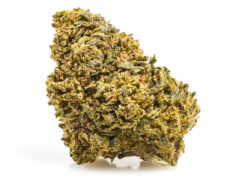
 Max CBDAMNESIA CBD BOOSTStarting from: 0,85 €/g
Glasshouse | CBD<40%
Grams5 10 20 50 100 200 400 -
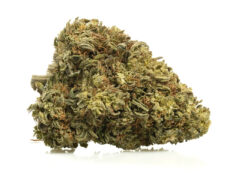
Max CBDAK47 CBD BOOST
Indoor | CBD<47%
Starting from:HALLOWEEN SALE -10%
1,45 €1,30 €/gGrams5 10 20 50 100 200 -
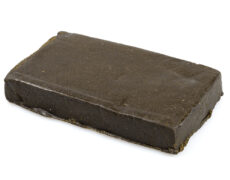
Max CBDCHARAS
CBD HASH | CBD<45%
Starting from:HALLOWEEN SALE -10%
0,90 €0,80 €/gGrams5 10 20 50 100 200 -
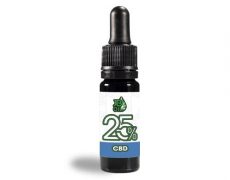
JB OIL 25%Starting from: 14,90 €
CBD Oil 25%
Think of terpenes as the little glossary at the back of an aroma notebook. The page may say citrus, pine, floral or earthy. The terpene profile explains the vocabulary behind those words. When the glossary stays modest, it is useful. When it starts acting like a fortune teller, it is time to close the notebook.
What a CBD flower terpene profile means
A CBD flower terpene profile is a description of the terpenes found in a flower. Terpenes are aromatic compounds produced by many plants, and they are part of the reason plant material can smell fresh, floral, citrusy, woody, resinous or earthy. In CBD flower content, terpenes are mainly useful because they connect a botanical terminology to recognisable scent impressions.
The phrase “terpene profile” can appear in two different contexts. Sometimes it is technical documentation, where terpenes are listed by name. Sometimes it is part of product copy, where those names are translated into familiar aroma notes. Both versions can be useful, as long as the reader knows which one is being used.
For CBD flowers, the profile should answer simple questions:
- Which terpenes are mentioned?
- Which scent families do they support?
- Does the product description explain those scent families in plain English?
- Does the page keep terpenes separate from cannabinoid values and batch analysis?
- Are terpenes clearly separated from cannabinoid values and batch analyses?
That last question matters. Cannabinoids and terpenes are different groups of compounds. A cannabinoid profile and a terpene profile should not be mashed together into a confusing block. The cannabinoid profile belongs to measured product documentation. The terpene profile belongs to aroma, plant character and product-description clarity.
CBD products can mention cannabinoids and terpenes on the same page, but the page should explain why they are different. Cannabinoids belong to the measured side of CBD products. Terpenes belong mostly to aroma descriptions, plant character and the words that make a flower easier to compare. When CBD products keep cannabinoids and terpenes in separate sections, the reader does not have to untangle the page.

Terpenes in the cannabis plant
In the cannabis plant, terpenes are primarily associated with aroma and botanical identity. Scientific literature often discusses cannabinoids and terpenes together because both are characteristic chemical families found in Cannabis sativa. A review of cannabinoids and terpenes in Cannabis sativa provides valuable technical background, including compounds such as myrcene, limonene, linalool and pinene.
The cannabis plant produces a wide range of aromatic compounds, and its terminology can become dense very quickly. For CBD hemp flowers, the key concept is simple: terpenes help explain botanical aromas, while cannabinoids belong to a separate chemical family. Keeping these concepts distinct makes product information clearer and easier to understand.
For a product page, the practical meaning is straightforward. Terpenes help explain why CBD flowers do not all smell the same. A flower with citrus notes may mention limonene. A flower with pine aromas may mention pinene. A floral description may mention linalool, while herbal or earthy notes are often associated with myrcene. Terpenes are found in many plants, not only hemp. That is why these aroma references feel familiar. Lemon peel, pine needles, lavender and herbs are scents that most people already recognise.
Used correctly, terpene descriptions help readers picture the aroma of a CBD flower without making the text unnecessarily technical. This is also why a terpene list should remain concise. A few well-explained terpenes are far more useful than a long list of names without context.
Common terpene names and aroma families
Common terpene language often starts with four names: myrcene, limonene, pinene and linalool. Myrcene is often associated with herbal and earthy aromas. Limonene is commonly linked to citrus notes. Pinene is associated with pine, resin and fresh green aromas, while linalool is frequently used to describe floral and softer botanical scents.
Other terpenes can appear too, but the same principle applies. Each terpene name should support the aroma profile rather than simply appear as technical terminology. If a product page lists terpenes without explaining their aromatic contribution, the reader is left with technical information that offers little practical value. Lists belong in laboratory reports. Product descriptions should translate those names into recognisable aromas.
For CBD hemp flowers, this translation is what makes a product description engaging and easy to understand. Instead of saying only “limonene present”, the page can describe fresh citrus notes. Instead of saying only “pinene present”, it can refer to pine needles, resin or clean green aromas. The terpene name provides the technical reference, while the aroma description gives readers a clear sensory picture.
This connection between technical terminology and everyday language is what makes terpene profiles genuinely useful. Their purpose is not to impress readers with scientific names, but to help them understand and compare CBD flowers more easily.
The glossary of terpene names can help readers understand these technical terms and connect them with familiar aroma descriptions.
CBD flower, aroma and product descriptions
CBD flower descriptions should be clear, specific and easy to compare. One CBD flower may be described as citrus, fresh and slightly floral. Another may be woody, earthy and resinous. A different variety may have a greener hemp note with a dry botanical finish. Terpenes help explain these differences, but the final description should always sound natural and accessible.
The best CBD flower copy is not the loudest. It is the most informative. If terpenes are mentioned on the page, they should complement the product photo, the product description and the batch documentation. Every detail should help the reader understand the product better. If a technical term looks impressive but adds little value, it probably does not deserve much space.
This is especially true for CBD buds and flower formats, where visual appearance already provides valuable information. Trichomes, trim, colour and density all contribute to the overall impression. The terpene profile adds context to those visible characteristics, but it should not be expected to carry the entire product description.
A well-structured product page follows a simple order: visible appearance first, aroma profile second, terpene profile third and product documentation last. When these elements work together, comparing CBD flowers becomes easier and the information remains clear, balanced and trustworthy.
What terpenes should not be asked to do
Understanding the role of terpenes starts with recognising their limits. Terpenes should not be asked to promise specific personal outcomes. They can describe aroma, support a product description and help readers compare CBD flowers. Their role is to explain scent characteristics, not to make personal guarantees.
This matters because search results often contain unsafe language around terpenes. Some pages try to connect them to broad claims, personal results or exaggerated product descriptions. That is not the approach we follow. Instead, the role of terpenes is simply to support aroma descriptions, highlight plant character and improve product clarity. The same applies to phrases that sound scientific but add little value. If a terpene profile is used only as technical decoration, it becomes clutter. When it explains why a CBD flower is described as citrus, pine, floral or earthy, it becomes genuinely useful.
In other words, the role of terpenes is to make aroma easier to understand, not more complicated. They work best as clear, informative labels that help readers compare CBD flowers with confidence. They do not need to be exaggerated to be valuable.
How terpene profiles vary between CBD flowers
Terpene profiles can vary between CBD flowers because every plant develops differently. Variety, cultivation methods, drying, curing, storage and time can all influence a flower’s aromatic profile. Even CBD hemp flowers from the same variety can display different scent intensities or secondary aroma notes.
This natural variation is exactly why product descriptions should avoid overstatement. A terpene profile can support comparison, but it should not suggest that every flower will always have exactly the same aromatic character. It represents the characteristics of a particular product, not a universal rule.
The way a page describes variation also matters. “Citrus and pine with a dry herbal base” gives readers a much clearer impression than simply saying “great aroma”. Likewise, “floral, woody and resinous” is more informative than a generic premium description. Readers deserve clear, recognisable aroma language.
For Justbob, each product page brings these elements together. Aroma notes make the flower easier to recognise. The product description provides context, while lot-by-lot laboratory analyses add objective technical information.
Reading terpene notes beside batch documents
The best way to read a CBD flower terpene profile is alongside the rest of the product information. Start with the product photo. Then read the aroma description. Next, look at the terpene profile to understand the aromatic characteristics. Finally, check the lot analysis available on the product page.
Justbob carries out constant analyses on all commercialised products and on every lot. The corresponding laboratory documents are available on each commercialised product page, allowing readers to verify the analyses for the specific product they are viewing. Terpenes and laboratory analyses serve different purposes, but together they provide both sensory and technical information.
The terpene profile explains the flower’s aromatic character. The analysis documents provide objective batch information, while the product photo supports visual comparison. Each element complements the others, creating a complete product overview.
For readers comparing CBD flowers, the process is straightforward: look at the photo, read the aroma profile, review the terpene notes and check the available lot analysis. Together, these elements make it easier to compare products clearly and confidently.
Read also: CBD Flower Aroma Profile: How to Read Scent Notes

Terpene Glossary: understanding CBD flower aroma profiles
Understanding the key terms related to CBD flower terpenes makes it easier to read product descriptions and compare different varieties with greater awareness.
Myrcene is often associated with herbal, earthy, or musky aroma notes, while Limonene is commonly linked to fresh citrus scents. Pinene is used to describe green, resinous, and pine-like aromatic profiles, whereas Linalool is frequently connected with soft floral notes.
These descriptions refer exclusively to aromatic characteristics and should be considered as scent indicators rather than guarantees or claims about the product.
When exploring CBD flower profiles, it is also useful to understand a few essential terms:
- Terpene profile: the combination of terpenes described in a flower or product, which helps define its aromatic characteristics.
- Cannabinoid profile: a separate type of profile focused on cannabinoids such as CBD and THC.
- Trichomes: tiny natural structures found on the surface of the flower, often associated with a resinous appearance.
- Aroma family: a simple way to categorize scents that readers can easily recognize, such as citrus, floral, herbal, or woody notes.
Clear and accurate descriptions of CBD flower terpene profiles help customers compare different varieties without needing advanced scientific knowledge. The goal is to find the right balance between useful information and accessible language, making the selection process easier and more enjoyable.
Discover the World of CBD Flower Terpenes with Justbob
Choosing a CBD flower becomes easier when you know how to interpret the language used to describe its aroma, terpene profile, and natural characteristics. Terpenes provide useful information about the scent and personality of each variety, helping customers better understand the differences between products and make a more informed choice.
Whether you prefer fresh citrus notes, floral aromas, earthy tones, or resinous profiles, exploring terpene descriptions can make the CBD shopping experience more engaging and intuitive. Discover the full range of CBD flowers and hemp-based products available on Justbob and explore our online catalog to find the variety that best suits your aromatic preferences.
🌿 Visit the Justbob online store today and discover our selection of CBD hash and many other products.
Frequently asked questions about CBD flower terpene profile
What is a CBD flower terpene profile?
A CBD flower terpene profile describes the terpenes connected with a flower and translates them into aroma language such as citrus, pine, floral, herbal, woody, earthy or resinous.
Do terpenes describe personal results?
No. In this context, terpenes should be treated as aroma and plant-character vocabulary, not as personal promises or product guarantees.
Why do CBD flower terpene profiles vary?
CBD flower terpene profiles can vary because variety, cultivation process, drying, curing, storage, time and natural plant variation can all influence aromatic character.