
Modified on: 17/09/2026
Flower or Hemp: Two names, One Confusing Shelf of Hemp Terminology
Two labels can describe the same small flower in different ways: hemp flower on one page, CBD flower on another. At first glance, the difference can seem confusing, especially for readers who are trying to understand what they are actually comparing. But once the terminology is decoded, the distinction becomes much clearer. Annoying? A bit. Useful to decode? Definitely. simple.
This guide explains the difference between hemp flower and CBD flower in a simple and practical way, focusing on language, plant origin and product context rather than complicated definitions.
-
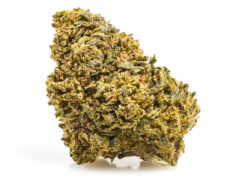
 Max CBDAMNESIA CBD BOOSTStarting from: 0,85€/g
Glasshouse | CBD<40%
Grams5 10 20 50 100 200 400 -
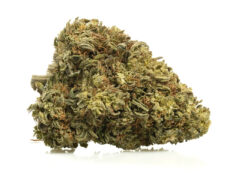
Max CBDAK47 CBD BOOSTStarting from: 1,45€/g
Indoor | CBD<47%
Grams5 10 20 50 100 200 -
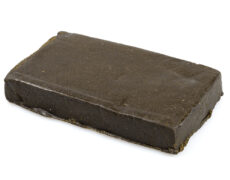
Max CBDCHARAS
CBD HASH | CBD<45%
Starting from:FLASH SALE -10%
0,90€0,80€/gGrams5 10 20 50 100 200 -
JB OIL 25%Starting from: 14,90€
CBD Oil 25%
The comparison between hemp flower vs CBD flower is mainly a question of emphasis. The term hemp flower starts from the plant itself and highlights the botanical and regulatory background of industrial hemp. The term CBD flower, on the other hand, focuses on the cannabinoid profile and the compound that many readers look for when exploring CBD products. In most cases, both expressions refer to hemp flowers from Cannabis Sativa L. grown within the applicable legal framework. Understanding the wording helps readers navigate product pages more easily and recognise that different labels can describe the same type of plant material from two different perspectives.
What hemp flower means
Hemp flower refers to the flowers of industrial hemp, a variety of Cannabis Sativa L. cultivated within the legal framework established for hemp production. In the European product-language context, this expression is broad and is often used to describe the botanical origin of the material and distinguish hemp flowers from other cannabis-related products with different regulatory profiles.
It is a useful plant-first expression because it tells the reader that the conversation starts with hemp, not with a recipe, not with folklore and not with a vague lifestyle promise. The term highlights the natural source of the raw botanical material and helps create a clearer distinction between hemp-derived flowers, industrial hemp cultivation and other categories associated with the cannabis plant.
In a market where terminology, traceability and product identity are increasingly important, the expression hemp flower provides a precise starting point for discussing cultivation methods, botanical characteristics, European hemp standards and the role of hemp as an agricultural resource. This plant-based definition supports a more transparent understanding of hemp flowers by focusing on origin, classification and the relationship between the plant itself and the products derived from it.

What CBD flower means
CBD flower is the shop-friendly phrase. commonly used in product catalogs, online marketplaces and consumer-facing content. It highlights the CBD positioning of the flower and makes the product easier to identify for users searching specifically for CBD-related hemp products.
The phrase does not remove the hemp context or change the botanical origin of the material. Instead, it places emphasis on the cannabinoid profile associated with the product and communicates which aspect of the flower is central to the page, category or customer search intent.
In the European product-language landscape, CBD flower is often used as a practical commercial term that connects the natural hemp flower with a broader conversation around CBD, hemp cultivation, quality standards and product transparency.
CBD flower vs Hemp flower: where the two terms overlap
In many product contexts, the two phrases can describe overlapping material. A CBD flower can also be a hemp flower, while a hemp flower page may focus on CBD as one of the main characteristics of interest. The difference between the two expression is therefore not always botanical; in many cases, it is related to editorial choice, market positioning, and the way information is presented to consumers.
Hemp flower places grater attention on the plant origin and agricultural classification, while CBD flower places grater attention on the product category and the search behavior of users looking for CBD-related options. This distinction helps explain why both terms are used across websites, catalogs, and educational pages.
That is why labels, product descriptions, and official documents matter. They turn a naming puzzle into something more concrete, as to say, they transform a terminology question into a clearer evaluation of origin, classification, compliance, and product identity. By understanding how these expression are used, readers can better interpret hemp and CBD terminology and navigate product information grater awareness.

Legal and label context
In the EU hemp context, THC threshold language and industrial hemp positioning are part of the background. Clear terminology helps define the category, the botanical origin and the regulatory framework in which hemp-derived materials are presented. Product pages should be precise about relevant information such as CBD content, THC limits, batch identity, cultivation background and the intended technical, scientific or ornamental positioning of the material.
Transparency is a central part of responsible communication. Labels, product descriptions and supporting documentation should provide clear information without creating confusion between different cannabis-related categories. The objective is not to make exaggerated statements or rely on unclear marketing language, but to create a reliable connection between the plant, the product identity and the information available to the reader.
This is not a place for big claims. It is a place for clean labels and steady wording. In a market where terminology can influence consumer perception, precise language helps distinguish botanical information from commercial interpretation and supports a more professional understanding of hemp-based products. For wider regulatory context, the European Commission page on hemp explains the EU industrial hemp framework and certified-variety background.
How EU industrial hemp varieties shape both labels
The plant behind both phrases is the same: Cannabis Sativa L., a species whose seed varieties are registered in the European Catalogue of varieties of agricultural plant species under Regulation (EU) 2021/2115. The varieties grown for the EU industrial hemp framework all share one defining feature: total THC at harvest must stay below the EU-harmonised threshold of less than 0.3 percent. That regulatory line is what makes a hemp flower legal as industrial hemp, and it is also what allows a CBD flower page to describe its product within the same framework.
When you read “hemp flower” on a label, the phrase is essentially pointing at the species, the registered variety and the THC ceiling. When you read “CBD flower” instead, the page is putting the cannabinoid most readers care about at the front, while the underlying registered hemp variety stays the same. In other words, the two names describe the same plant from two different angles: one focused on the regulatory and botanical background, the other focused on the CBD content discussed on the page.
The European Catalogue lists dozens of registered hemp varieties, many with names familiar to anyone who has read EU hemp documents. The aroma vocabulary, visual structure and cannabinoid profile of a flower are partly shaped by the variety. That is why a careful product page may mention the registered variety name beside the photo: it gives readers a concrete plant-level reference that supports both the hemp flower and CBD flower framing.
Cannabinoids in the flower: CBD, CBG and the rest of the family
Both hemp flower and CBD flower contain a mix of cannabinoids, the natural compounds produced by the cannabis plant. CBD is usually the most discussed cannabinoid in this category, which is why the second phrase puts it in the name. CBG, CBC, CBN and small fractions of THC also belong to the same family, and they appear in the batch documents that careful product pages link from the page.
For label readers, the cannabinoid layer is one of the most useful comparison tools across both phrases. Two products described as hemp flower can have very different cannabinoid profiles; two CBD flower pages can sit on very similar profiles even when the photos look different. The cannabinoids listed in the batch document, read alongside the variety name and the THC threshold, give the reader a way to compare hemp flower vs CBD flower products on something more solid than the headline phrasing.
In our view, this is the most useful angle for the comparison. Read the cannabinoids on the document, check the registered hemp variety on the page, glance at the photo for the visible flower structure, then decide whether the wording on the label feels accurate. Two names, three layers of evidence, one steady reading habit for CBD flower and hemp flower pages alike.
Aroma, terpenes and what the visible flower says
Aroma vocabulary applies in the same way to both names. A hemp flower can be described as herbal, woody, floral or citrus, and so can a CBD flower; the terpenes and other natural compounds in the plant are the same chemical family regardless of which marketing phrase appears on the page. Terpenes are not cannabinoids, but they sit beside them in the trichomes and shape the aroma a reader encounters when opening a product image.
Visible structure also reads identically on both sides. Bud density, trim quality, the visible resin on the surface and the rich green or amber tones in the photo describe the flower as a plant product. A CBD flower page may simply put more emphasis on the cannabinoid line below the photo, while a hemp flower page may put more emphasis on the variety and the agricultural background. The flower itself is the same kind of plant product in both cases.
The practical takeaway is the same as before: rich naming differences are useful, but they do not change what is happening inside the flower. The reader who understands both phrases reads more confidently across the catalog, and the document area keeps everything anchored to a specific lot rather than a wordy adjective.
Two names, two angles
Hemp flower vs CBD flower can feel confusing because both phrases may point toward overlapping product contexts. One starts with the plant family and industrial hemp framing. The other starts with the CBD focus that readers expect on a shop page.
That is why hemp flower and CBD flower should be explained side by side. Industrial hemp flower gives the broader plant and regulatory context, while CBD flower meaning is more useful when a reader wants to understand product-page language. A simple analogy helps: one name tells you the broader address, the other tells you which door you are standing in front of. Both can be useful. Neither needs to cancel the other.
The reader does not need a courtroom argument over vocabulary. They need the page to say, in effect: here is the plant context, here is the CBD-focused product context, and here is where the documents sit. Once those layers are separated, the comparison becomes much less foggy.
How labels make the comparison concrete
A label turns vocabulary into something concrete. It can show product name, batch reference, CBD context, THC threshold language and the intended technical, scientific or ornamental positioning. That is where the naming puzzle becomes less annoying. The reader is no longer choosing between two phrases in the air. The reader is looking at an actual product page, with actual documents attached.
The first mistake is treating hemp flower as if it always means one narrow thing. The second is treating CBD flower as if it has no hemp context. Both shortcuts make the page less clear, and they make it harder to compare CBD flower products across the same CBD flower catalog.
A better comparison keeps both ideas together: hemp flower gives the plant and regulatory background, while CBD flower gives the product-page emphasis. The overlap is the point, not a problem. The cannabis plant behind both phrases is the same Cannabis Sativa L. variety, the same cannabis cannabinoids appear in both descriptions, and the cannabis hemp framework gives the regulatory backbone for everything. The THC threshold is the same, the cannabis sativa species is the same, the CBD content can vary; only the editorial angle changes. And honestly, the internet has enough vocabulary quarrels already.
Read also: CBD Flower Lab Report: What It Shows and Why It Matters
A practical reading check: final thoughts
Understanding the difference between the two terms becomes much easier when you look at the full product context: the category, the product name, the images, the label information and the available documentation. When all these elements align, the description provides a clearer and more reliable picture of the product.
Product documents play an important role because they connect the terminology directly to the specific item rather than leaving room for generic interpretations. They help readers verify the information and better understand the characteristics of each product.
The best approach is always practical: check the product page, review the details provided, look at the available documentation and choose the option that best matches your preferences.
🌿Discover the full range of CBD flowers and hemp products available on the Justbob online store and find the product that suits your needs.
Frequently asked questions about hemp flower vs CBD flower
Is hemp flower the same as CBD flower?
The terms can overlap. Hemp flower starts from the plant context, while CBD flower highlights the CBD positioning of the product page.
Why do shops use both terms?
The two phrases help readers understand different parts of the same product context: hemp origin, CBD focus, labels and batch documents.
What should I check on a CBD flower product page?
Check the product photos, label details, THC threshold language, batch identity and available analytical documents.