
Modified on: 23/07/2026
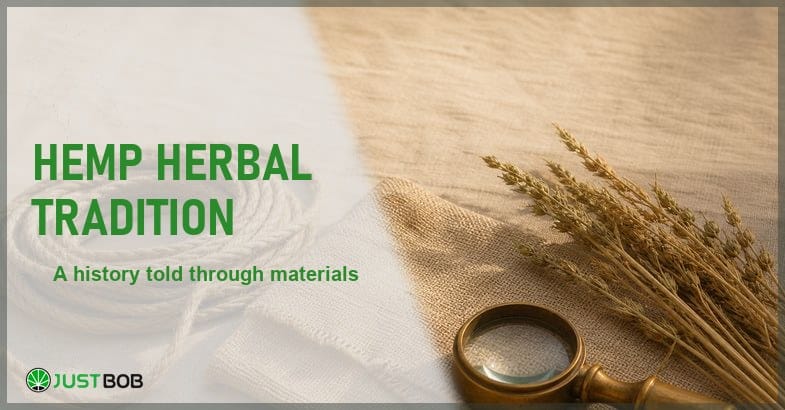
Hemp’s long history, told through its materials
Hemp has one of the longest working histories of any plant, and most of it has nothing to do with the kitchen. For thousands of years it was grown for fibre, rope, sails and paper, long before anyone discussed cannabinoids. This article frames hemp herbal tradition as exactly that: a history of a useful plant and the words that go with it, told through materials. The Justbob angle here is the archive, not the kitchen counter.
-
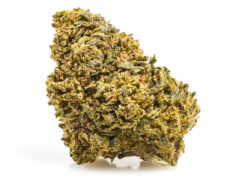
 Max CBDAMNESIA CBD BOOSTStarting from: 0,85€/g
Glasshouse | CBD<40%
Grams5 10 20 50 100 200 400 -
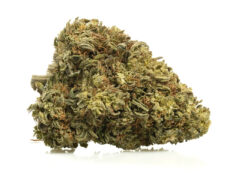
Max CBDAK47 CBD BOOSTStarting from: 1,45€/g
Indoor | CBD<47%
Grams5 10 20 50 100 200 -
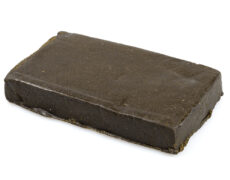
Max CBDCHARAS
CBD HASH | CBD<45%
Starting from:FLASH SALE -10%
0,90€0,80€/gGrams5 10 20 50 100 200 -
JB OIL 25%Starting from: 14,90€
CBD Oil 25%

The aim is a clear historical vocabulary: the fibres, the trades and the names hemp has carried for millennia. Read it as an archive entry, and the plant’s long past becomes a set of facts rather than folklore.
What hemp herbal tradition means here
Herbal tradition, in this article, means the long record of hemp as a cultivated plant, the herb in the strict botanical sense. It is a tradition of growing, harvesting and using a crop, captured in the vocabulary that history left behind. The focus is materials and names, with nothing of the kitchen about it.
Hemp earns the word tradition honestly. Few plants have been grown so widely or for so long, which is why its history is mostly a history of work: cordage, cloth, paper and trade. That is the thread this article follows.
Hemp as a material plant
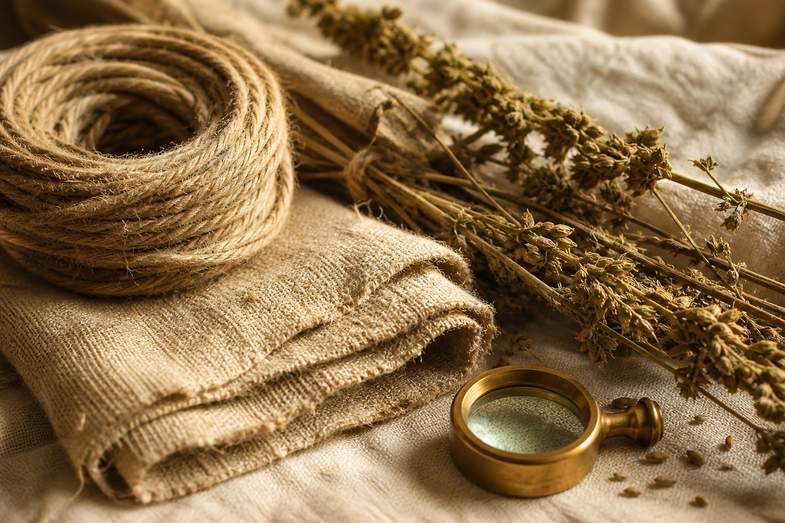
For most of recorded history, hemp was a materials crop. Its long bast fibres were spun into rope and woven into coarse cloth, and from antiquity into the age of sail, hemp cordage rigged ships across the world. The plant’s strength, not anything else, made it indispensable.
Paper belongs to the same story. Hemp fibre was among the materials used in early papermaking, valued because it was tough and easy to come by. Wherever a strong, cheap fibre was needed, hemp tended to appear.
The vocabulary of hemp history
A handful of words carry most of this history:
- Bast fibre: the long fibre from the outer stalk, the part spun into rope and cloth.
- Retting: the traditional process of loosening fibre from the stalk, named in old farming records.
- Cordage: rope and cord, for centuries a leading use of hemp fibre.
- Canvas: heavy woven cloth, originally made from hemp, used for sails and sacking.
These are working words about materials, with nothing of the kitchen in them. Each one points to a material or a step in turning a plant into a useful object.
Read also: The story of the Hemp Body Car
Where the word canvas comes from
One word in that list gives the whole tradition away. Canvas comes, through old French and Latin, from cannabis, because the cloth was originally woven from hemp. The sail that carried a ship and the plant in the field shared a name, and the link survived even after cotton and synthetics took over.
It is a neat reminder that hemp’s tradition is woven into ordinary language. When a painter stretches a canvas or a tent is pitched, an old hemp word is still at work, carrying its material history forward.
From history to the product page
This long material tradition still frames how hemp is described today. A modern CBD flower listing names a registered variety of the same species, Cannabis sativa L., that once supplied rope and canvas, now grown under the EU industrial hemp framework.
For more of hemp’s material story, our guide on Industrial Hemp Uses: Fibre, Paper, Materials follows the fibre from field to finished object, the same thread this tradition runs on.
Read also: Hemp Biofuel: Here’s How Things Stand
Hemp tradition on a Justbob page
At Justbob, the plant behind this long tradition shows up as a registered hemp variety, analysed batch by batch, with the certificate of analysis kept inside each product page. The history sits behind a modern, documented product rather than a story told on its own.
Every hemp flower sits inside the EU industrial hemp framework, grown by EU producers from registered hemp varieties, with THC kept at or below the 0.3 percent threshold harmonised at European level. Hemp flower is offered for technical, scientific and ornamental purposes only. The tradition is context here, and the document is the proof.
What this article leaves out
This is a history of materials, and it stays there on purpose. It does not cover preparations or anything you might make or drink, and it makes no claim about health or wellbeing. Those subjects belong to other kinds of writing, well outside a plant-history note.
The limit is easy to state. Hemp’s tradition here is fibre, trade and language, a record of how a crop was grown and used over centuries. For the public account of hemp as a crop today, the European Commission page on hemp sets out where the plant sits in agriculture, with no history attached.
Frequently asked questions about hemp herbal tradition
What does hemp herbal tradition mean?
Here, hemp herbal tradition means the long record of hemp as a cultivated plant and the vocabulary that history left behind. It is a tradition of materials and trade: bast fibre spun into rope, hemp canvas for sails, and fibre used in early papermaking. The focus is the plant’s documented past and the words that describe it, such as cordage and retting, not preparations of any kind.
Is this a preparation guide?
No. This is a plant-history article about hemp as a materials crop and the language around it. It does not cover preparations or anything to make or drink, and it makes no health or wellbeing claim. Those subjects sit outside a historical note, which stays on fibre, trade and the words hemp left in the language, such as canvas.
Why connect history to product documents?
Because the plant behind the tradition is the same species grown today, Cannabis sativa L. A modern listing names a registered hemp variety of that species, analysed batch by batch, with the certificate of analysis kept on the product page. Connecting the history to the document shows that the long tradition now sits behind a modern, verified product.