Modified on: 25/07/2026
Packaging is a small checklist
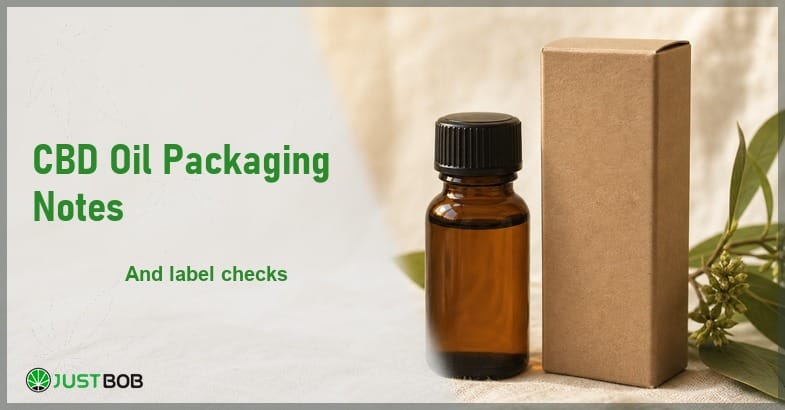
CBD oil packaging notes are plainly useful because the box and the bottle tell you what to check next. Packaging is a short, practical checklist: the container, the label space, the page copy and the document that backs them. This guide reads packaging that way, on what the box and bottle actually show, and it leaves anything beyond the product firmly to one side, because the useful part of packaging is simply what it lets a reader verify.
-
 Max CBDAMNESIA CBD BOOST
Glasshouse | CBD<40%
Starting from:FLASH SALE -10%
0,85 €0,75 €/gGrams5 10 20 50 100 200 400 -
Max CBDAK47 CBD BOOSTStarting from: 1,45 €/g
Indoor | CBD<47%
Grams5 10 20 50 100 200 -
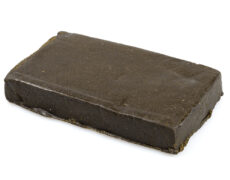
Max CBDCHARASStarting from: 0,90 €/g
CBD HASH | CBD<45%
Grams5 10 20 50 100 200 -
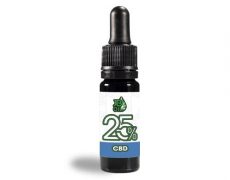
JB OIL 25%Starting from: 14,90 €
CBD Oil 25%
Picture an unboxing on a clean desk: a box, a bottle and a certificate set out in a row. That is the honest setting for the topic. Packaging details are best when they are boring in the best way, plain and checkable, because each one simply points a reader to the next thing to read.
What CBD oil packaging notes cover
CBD oil packaging notes are the readable details on the box and bottle of a CBD oil, drawn from Cannabis sativa L. grown as an agricultural crop. They cover the container, the label space, the stated volume and the indicative CBD figure, with the batch number that links to the document. At heart, packaging notes are description and record, not a claim, offered for technical, scientific and ornamental products.
Kept at that level, the topic stays steady. Packaging names the product, holds the label and carries the batch number, and reading it well is part of reading the page. The job of this guide is to name those details and to keep them tied to the CBD oil page where the products are listed.
Bottle and box details
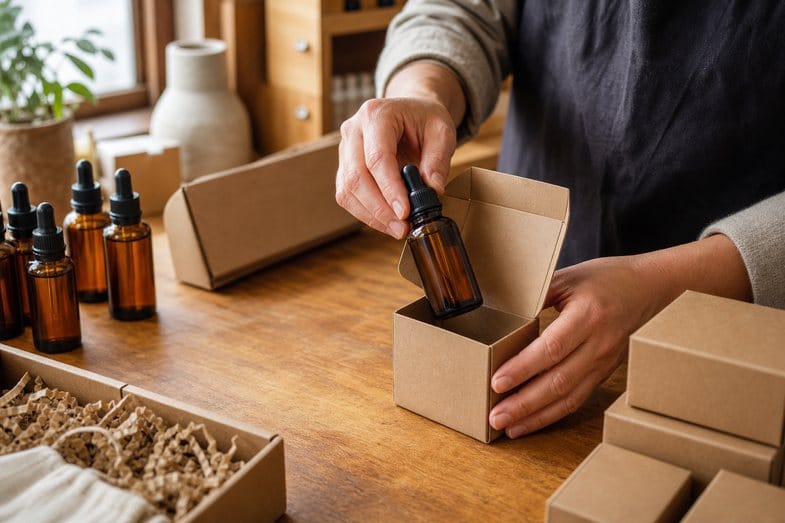
The container is the first detail. A CBD oil is held in a bottle, often inside a box, and both carry plain facts: the product name, the volume, the named components and the indicative figure. These are descriptive entries a reader can confirm on a product card, the plain summary of what is packaged.
Seen this way, the bottle and box are a small, checkable set, where each part does one plain job:
- The box names the product and protects it in transit.
- The bottle holds the liquid and carries the label.
- The label states the volume, the named components and the indicative CBD figure.
The notes are most useful when the container and label agree with the photograph and the document, so the box does not have to stand alone.
Read also: CBD Oil Ingredients: What Is Usually Inside the Bottle
Label context
The label is where the packaging speaks. It carries the product name, the volume, the named components and the indicative CBD figure, with the batch number that ties the bottle to its record. Reading the label and the container together tells a reader what is packaged and where to confirm it.
Taken together, the label is a small summary set on the packaging. The container holds it, the figures name what is inside, and the batch number points to the document. The notes are most useful when the label sits openly on the box and bottle, where a reader can check it against the page.
A box that travels by a standard
The idea that a plain box can carry a lot when it is built to a standard is a modern, practical one. In 1956, Malcolm McLean shipped the first load in standardised steel containers, identical boxes that could move from ship to truck to train without being unpacked. The box was unremarkable on its own; its value came from being a clear, consistent unit.
A product page works on the same plain principle. CBD oil packaging is a small version of that idea: a standard container and a consistent label that carry the product and its record reliably. The shipping container made global trade legible by being a plain, standard box; a CBD oil box and label do the same for a single product, which is why packaging is worth reading.

Read also: What Is CBD Isolate? A Simple Guide To This Extract Format
Batch documents
A packaging note only holds if the record backs it. On a product page, the bottle and box sit beside the figures and the batch number, and the certificate of analysis confirms them for the lot. The label names the product while the document measures it, and the batch number ties the two together, so the packaging a reader sees matches the rows on the paper.
This is why reading the packaging leads to the document. A label is read against the certificate, where the THC figure is checked against the 0.3 percent threshold harmonised at European level, and the CBD figure is stated as indicative. Our legal hemp note covers the framework these products sit within, and for an official overview the European Commission page on hemp sets out the wider context.
CBD oil packaging notes on a Justbob page
On a Justbob CBD oil page, the packaging notes do a narrow job: the bottle and box, the named figures stated as indicative, and the certificate that confirms them. Every commercialised product is analysed and each batch is checked, with the document available on the product page, so the packaging a reader sees can be traced to the row that records it.
Every product is produced by selected EU hemp partners and sits inside the EU industrial hemp framework, with THC kept at or below the 0.3 percent threshold harmonised at European level. Each one is offered for technical, scientific and ornamental purposes only. On a Justbob page, then, CBD oil packaging notes are simply readable details, backed by a document.
Frequently asked questions about CBD oil packaging notes
What should CBD oil packaging notes show?
CBD oil packaging notes should show the container, the product name, the stated volume, the named components and the indicative CBD figure, for a product drawn from Cannabis sativa L. grown as an agricultural crop. The batch number on the packaging links the bottle to its record. These are read against the certificate of analysis for the lot, where the THC figure is checked against the 0.3 percent threshold. The packaging can then be confirmed beside the measured figures rather than taken on the box alone.
Is this a use guide?
No. This is a packaging-reading guide that describes the box and bottle and points to the document. It stays on the container, the label and the certificate, and it deliberately leaves anything beyond the product to one side. The page reads packaging as a set of details to be checked, not as instructions, which keeps the topic on what a reader can see and confirm.
Why do lot documents matter?
Because a packaging detail is only as solid as the record behind it. The label names the product and records the indicative CBD figure; the certificate of analysis measures the contents for the lot, including the THC reading checked against the 0.3 percent threshold. Following the batch number from the packaging to the document is how a reader keeps the details tied to something measured, not to a box on its own.