
Modified on: 17/09/2026
CBD Flower Sensory Profile: How to Read Appearance, Aroma, and Product Details
When people talk about a CBD flower sensory profile, the expression may sound more technical than it really is. In practice, understanding a flower’s sensory profile starts with simple observations: looking at the product, reading the aroma description and checking the information available on the product page.
The colour of the CBD flower, its structure, trimming quality, visible resin, aroma notes and batch information all contribute to a clearer picture of the product.
-
 Max CBDAMNESIA CBD BOOST
Glasshouse | CBD<40%
Starting from:FLASH SALE -10%
0,85 €0,75 €/gGrams5 10 20 50 100 200 400 -
Max CBDAK47 CBD BOOSTStarting from: 1,45 €/g
Indoor | CBD<47%
Grams5 10 20 50 100 200 -
Max CBDCHARASStarting from: 0,90 €/g
CBD HASH | CBD<45%
Grams5 10 20 50 100 200 -
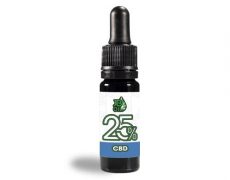
JB OIL 25%Starting from: 14,90 €
CBD Oil 25%
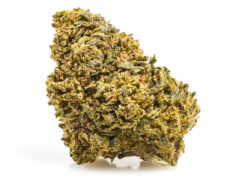
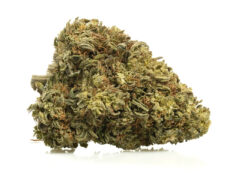
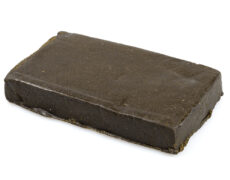
For JustBob, a useful sensory description has one main purpose: making information easier to understand. A good product page should help readers recognise differences between varieties without relying on exaggerated words or vague marketing language.
A sensory profile is not about creating expectations or making promises. It is about describing what can be observed, documented and explained, allowing customers to compare CBD flowers through clear and practical information.
What does a CBD flower sensory profile mean?
A CBD sensory profile is a structured way to describe the characteristics that can be noticed when analysing a hemp flower product. It can include several elements:
- Visual appearance of the flower;
- Colour and overall structure;
- Trim quality;
- Visible resin and trichomes coverage;
- Aroma description;
- Product label information;
- Batch-related documentation.
The word Sensory does not mean mysterious or complicated. It simply refers to the way a product can be described through observable characteristics. A useful description does not rely on generic terms such as amazing or perfect, because these words do not provide real information. Instead, specific terms such as citrus, herbal, floral, earthy or woody help readers understand the aromatic profile of a product.
The value of a sensory description comes from precision: fewer decorative words and more details that allow the reader to build a realistic picture.

Read also: Hemp Flower Aroma And Texture: What To Notice – Justbob
CBD Flower appearance: colour, structure, and visible resin
The first element people usually notice when looking at a CBD flower is its appearance.
A clear product image can help highlight details such as flower colour, bud structure and density, visible trichome coverage, remaining plant material, and overall trimming quality. These details should not be treated as absolute indicators on their own. Instead, they are visual information that helps customers compare different products more carefully.
Trichomes are small resin glands found on the surface of the flower. They contain many of the plant’s natural compounds, including cannabinoids and aromatic compounds such as terpenes. For this reason, a well-structured CBD flower product page should connect different types of information:
- What the photograph shows
- How the aroma is described
- What the batch documentation confirms
Each element has a different role, and together they provide a more complete understanding of the product.
The role of aroma in a CBD flower description
Aroma is one of the most important elements of a CBD flower sensory profile. When a product description uses terms such as citrus notes, herbal aromas, floral profiles or earthy characteristics, woody nuances, and fresh aromatic notes, it is using a familiar aroma families to help readers understand the product.
This vocabulary should not simply be decorative. Its purpose is to male comparisons between different CBD flower varieties easier. For example, saying that a flower has an “excellent aroma” does not explain much, if nothing. A description mentioning citrus, herbal or floral characteristics gives the reader something more concrete to understand.
Good aroma writing is about clarity, balance, and useful information
How aroma fits into the sensory profile
Aroma is the scent layer of the profile. On CBD flowers it is described with recognisable families: citrus, pine, herbal, floral or earthy. That scent vocabulary, and the individual terpene names behind it, is covered in detail in our CBD flower terpenes guide. For a sensory profile, the useful move is not to re-list every compound, but to place that scent language beside what the eye can see.
Aroma and the visible surface usually point at the same spot: the trichomes, the small resin glands on the flower. A resin-rich look in the photo and a clear scent description in the text are two readings of the same feature. That is why a sensory profile keeps them side by side, rather than treating aroma as a separate chapter.
This keeps three layers in order: what the photo shows, how the aroma is described, what the batch document confirms. The scent names the surface; the document grounds the specific lot. Nothing in that chain turns into a claim about an outcome.
CBD flower terpenes: understanding aroma vocabulary
CBD flower terpenes are natural aromatic compounds found in many plants, including hemp.
They are an important part of the vocabulary used to describe different aroma profiles. Instead of using only general words, terpene references can help explain why two flowers may have completely different aromatic characteristics.
Some commonly discussed examples include:
- Limonene – often associated with citrus aromas such as lemon or orange.
- Pinene – commonly linked to fresh, pine-like notes.
- Myrcene – often described alongside earthy or herbal profiles.
- Linalool – associated with floral aromas similar to lavender.
- Caryophyllene – linked to peppery and spicy notes.
- Humulene – commonly connected with woody and herbal aromas.
The purpose of terpene vocabulary is not to make product descriptions more complicated. It is to provide a clearer way of talking about aroma.
A well-written CBD flower page uses terpenes as a descriptive tool, connecting aroma, appearance and batch information without turning simple botanical characteristics into exaggerated claims.
CBD flower aroma, freshness and the role of time
A CBD flower sensory profile is not only about what can be seen immediately. Time, storage and the production process can also influence how a product is described.
After harvest, hemp flowers continue to develop their aromatic profile during the curing process. Over time, the balance between different aromatic compounds may naturally change, which is why two batches of the same variety can sometimes have slightly different characteristics.
This does not mean that one batch is automatically better than another. It simply reflects the natural variation that exists in botanical products.
For this reason, a careful product page should provide clear information about the batch reference and the product documentation. These details allow readers to understand that they are looking at a specific lot rather than a generic description of a variety.
A good sensory profile considers the complete picture:
- the appearance of the flower;
- the aroma description;
- the production and batch information;
- the available documentation.
Together, these elements create a more transparent way to understand a CBD flower.
How aroma, trichomes and visual details connect
The relationship between aroma and appearance is one of the most interesting aspects of reading a CBD flower sensory profile.
The surface of the flower contains trichomes, small resin glands that contribute to the plant’s natural characteristics. These structures are closely connected with the presence of cannabinoids and aromatic compounds such as terpenes.
This is why a detailed product description should not treat aroma and appearance as completely separate topics.
A photo can show:
- the structure of the flower;
- visible resin coverage;
- colour variations;
- trimming quality.
The aroma description can then provide additional context through words such as:
- citrus;
- herbal;
- earthy;
- floral;
- woody.
The result is a more complete description where the visual and written information support each other.
However, these elements should remain descriptive. A resinous appearance or a particular aroma profile can explain how a flower looks and smells, but they should not be turned into exaggerated claims.

Why sensory descriptions should never become claims
The purpose of a CBD flower description is to inform, not to promise.
A citrus aroma should simply be understood as a citrus aroma. A woody note should describe a woody character. These terms help readers understand the sensory identity of a product, but they should not be used to suggest personal outcomes.
This distinction is important because accurate product communication depends on choosing the right words.
A reliable description focuses on:
- what can be observed;
- what can be documented;
- what is connected to the specific product.
This approach makes a product page more useful because it gives customers realistic information instead of relying on impressive-sounding language. For JustBob, this means keeping aroma descriptions clear and balanced: explaining the characteristics of each flower while allowing customers to compare products based on real information.
Product photos and CBD flower sensory reading
Aroma cannot be photographed, but the CBD flower appearance can be shown clearly.
This is why high-quality product images are an essential part of a complete sensory profile. A reader should be able to connect the written description with the actual presentation of the flower.
A page describing fresh, citrus or resinous notes should include images that allow customers to observe details such as:
- flower structure;
- colour;
- visible trichomes;
- overall presentation.
The photograph provides the visual layer, while the aroma description provides the language needed to interpret the sensory profile. Together, these elements create a more natural online shopping experience. The customer is not simply reading a list of adjectives; they are receiving a structured description supported by visual information.
For plant-chemistry background, a PubMed Central review on cannabinoids and terpenes explains how Cannabis sativa compounds and aroma-related terpenes are discussed in scientific literature.
How batch documents make CBD flower descriptions more transparent
A strong CBD flower product page combines three different types of information:
- Visual details – what the flower looks like.
- Aroma descriptions – how the product’s scent profile is presented.
- Batch documents – analytical information connected to a specific lot.
These elements have different purposes and should not replace each other.
Aroma words make the product easier to understand. Photos provide visual context. Batch documents add a further level of transparency by connecting information to a specific production batch.
At Justbob, products are regularly analysed and the relevant documentation is available on the corresponding product pages. This allows customers to connect the sensory description with information related to the specific lot.
Transparency works best when every element stays in its correct place.
Read also: CBD Flower Lab Report: What It Shows and Why It Matters
A simple way to read a CBD flower sensory profile: look, read, and check
Understanding a CBD flower sensory profile does not require technical knowledge. A practical approach can be reduced to a few simple steps:
1. Look at the flower.
Check the photo and observe colour, structure, trim and visible resin.
2. Read the aroma notes.
Look for specific descriptions rather than generic promotional words.
3. Check the product information.
Review the label details and available batch documentation.
This simple method helps separate useful information from unnecessary exaggeration.
A good CBD flower description should feel like a careful observation rather than a sales slogan. It should help customers understand the product before making a comparison.
Choosing CBD flowers through clear information
A well-written CBD flower sensory profile brings together different perspectives: what the eye sees, what the aroma vocabulary describes and what the product documentation confirms.
The most useful descriptions are not necessarily the longest ones. They are the ones that use precise language, explain differences clearly and give readers enough context to make an informed choice.
At JustBob, we believe that describing CBD flowers means combining transparency, quality information and a natural approach. With a wide selection of products, carefully controlled batches and detailed product pages, customers can explore different varieties while having access to the information needed to understand each one.
🌿Discover the JustBob CBD flower catalogue and explore different aroma profiles, product characteristics and batch information to find the variety that best matches your preferences.
Frequently asked questions about cbd flower sensory profile
What is a CBD flower sensory profile?
It is a structured description of appearance, aroma language, visible resin, trim and related product details. It helps readers compare flowers more clearly.
What details belong in a sensory profile?
Useful details include color, structure, aroma notes, visible resin, texture cues, photos, labels and batch documents.
Are sensory notes the same as product claims?
No. Sensory notes should describe what can be observed or documented, not promise personal outcomes.