

Modified on: 11/08/2026
Reading CBD flower aroma families on a product page
A CBD flower aroma family is a simple label that a reader can use to group hemp varieties by the kind of scent they project on a product page. The same batch can travel from harvest to curing and, ultimately, to the catalog photo, while aroma is often one of the first signals a reader notices before consulting the lab document. This Justbob guide explains how to identify CBD flower aroma families in the catalog, exploring the terpene profiles behind them and the batch documentation that accompanies each lot.
-
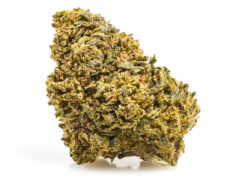
 Max CBDAMNESIA CBD BOOST
Glasshouse | CBD<40%
Starting from:FLASH SALE -10%
0,85 €0,75 €/gGrams5 10 20 50 100 200 400 -
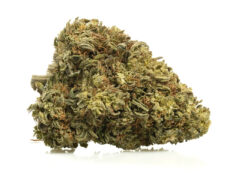
Max CBDAK47 CBD BOOSTStarting from: 1,45 €/g
Indoor | CBD<47%
Grams5 10 20 50 100 200 -
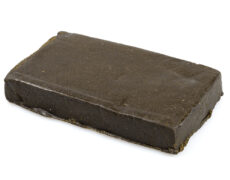
Max CBDCHARASStarting from: 0,90 €/g
CBD HASH | CBD<45%
Grams5 10 20 50 100 200 -
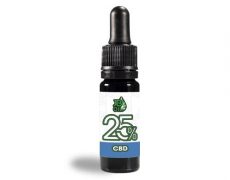
JB OIL 25%Starting from: 14,90 €
CBD Oil 25%
There is a practical reason behind for using this approach. After browsing a few pages, the differences between earthy, citrusy, and floral CBD flowers become easier to recognize at a glance, allowing readers to cross-check the product label and accompanying documents in less than a minute.
What CBD flower aroma families describe on a product page
A CBD flower aroma family is a way of grouping hemp varieties by their dominant scent profile as presented in a catalog. The vocabulary usually combines three elements: the family name (earthy, citrus, floral, spicy, or pine), the intensity (faint, moderate, or strong) and the supporting note that either softens or accentuates the dominant impression. For a CBD flower reader, these three-cue vocabulary is enough to compare two products before taking a closer look at their individual the terpene profiles
In our view, the most useful aroma descriptions are specific and easy to recognise. “Earthy CBD flower with a soft cedar undertone and a faint pepper hint” tells the reader something concrete about the product. “Premium aromatic flagship variety” sounds promotional without actually describing its aroma.
Read also: Hemp Aroma Compounds: Product Vocabulary
The main aroma families in CBD flower vocabulary
CBD flowers can be grouped with a small number of recognisable aroma families, each with its own distinctive scent profile.
The five most common are earthy and woody, citrus and fresh, floral and sweet, spicy and herbal, and pine and resinous.
Beside these, catalogs may sometimes include fruity nuances and gas-like notes as secondary descriptors on the label.
Each family may also have a visual counterpart in the product photo. Earthy varieties can show denser amber tones; citrus varieties often appear brighter, with a paler green colour; floral varieties may feature coral and lavender pistils; spicy varieties tend to retain a deeper green with darker resin spots; pine varieties usually have a light-green base with glossy trichome layers.
In this sense, the photo and the aroma label work together. In this sense, the photo and the aroma label work together.
For readers, this simple family vocabulary is enough to navigate most CBD flower pages. The product page should identify the aroma family clearly, while the photo should provide a visual match in terms of colour and visible resin level.
Earthy and woody notes: the grounded end of the spectrum
Earthy and woody CBD flowers sit at the grounded end of the aroma vocabulary. The scent can evoke forest floor, dry undergrowth, cedar wood, or aged tobacco, sometimes with a soft mineral background that some readers describe as petrichor.
The dominant terpenes are usually myrcene and humulene, with a faint trace of caryophyllene.
The visual counterpart is often a denser flower with amber pistils and a slightly darker colour. An earthy lot may appear less bright green, as the curing process can deepen the chlorophyll register and shift the overall tone towards olive.
From the reader’s perspective, the most useful clue is often the supporting note. “Earthy with a faint pepper hint” creates a different impression from “earthy with an aged tobacco background”, even though both belong to the same aroma family.
For a closer look at how aroma and texture work together when reading a hemp flower, see our guide to hemp flower aroma and texture.
Citrus and fresh notes: the bright end of the spectrum
Citrus and fresh CBD flowers sit at the bright end of the aroma vocabulary. Their scent can evoke fresh lemon peel, sweet orange zest, mandarin skin, or bergamot, with a clean, uplifting impression that sets this family apart from the heavier earthy register.
The dominant terpene behind this family is usually limonene, accompanied by a smaller share of pinene.

The visual counterpart can be a paler green colour with lighter pistils and a visible glaze of resin that catches the light. A citrus lot often appears less dark or compact, with its brighter aromatic profile sometimes accompanied by a more open flower and longer calyx tails.
From the reader’s perspective, the most useful clue is the qualifier that follows the family name. “Citrus with sweet orange zest” creates a different impression from “citrus with a sharp lemon peel edge”, even though both belong to the same aroma family.
Floral and sweet notes: the warm end of the spectrum
Floral and sweet CBD flowers sit at the warm end of the aroma vocabulary. The scent reads as fresh lavender, dried rose, jasmine blossom, light honey or chamomile tea, with a soft rounded impression that separates this family from the brighter citrus register.
The dominant terpenes behind this family are usually linalool and a smaller fraction of myrcene, often with trace limonene.
The visual counterpart is often a flower with coral and lavender pistils, a mid-green base, and a denser trichome layer that gives the surface a slightly silvery cast. A floral lot may also display a rounded calyx structure with visible bract folds.
From the reader’s perspective, the most useful clue is the supporting note paired with the family name. “Floral with a soft lavender opening” creates a different impression from “floral with a chamomile herbal close”, even though both belong to the same aroma family.
Spicy and herbal notes: the mid-range vocabulary
Spicy and herbal CBD flowers sit in the middle of the aroma vocabulary. Their scent can evoke black pepper, clove, fresh basil, sage leaf, or rosemary, with a sharper definition that sets this family apart from the softer, more rounded floral register. The dominant terpenes in this family are usually caryophyllene and humulene, accompanied by trace terpinolene.
The visual counterpart is often a bright, light-green flower with glossy trichome layers and visible resin droplets along the bracts. For readers who want to understand what these structures represent, our guide to what trichomes are provides a closer look at their role on a hemp flower. A pine lot may also display a more open structure with longer pistils, while the surface catches the light in a way that highlights these visible resin cues.
From an iconographic perspective, a spicy CBD flower page works much like a perfumer’s organ: the family name establishes the register, while the supporting note identifies the botanical reference behind the overall impression. “Spicy with a black pepper opening” creates a different impression from “spicy with a fresh basil close”, even though both belong to the same aroma family.
Pine and resinous notes: how green aromas come through
Pine and resinous CBD flowers sit at the green and balsamic end of the aroma vocabulary. Their scent can evoke fresh pine needles, alpine fir, juniper berries, or cedar resin, with a sharp green character that some readers compare to crushed conifer bark. The dominant terpene is usually pinene, in both alpha and beta forms, with a smaller share of myrcene

The visual counterpart is often a bright, light-green flower with glossy trichome layers and visible resin droplets along the bracts. A pine lot may also display a more open structure with longer pistils, while the surface catches the light in a way that highlights these visible resin cues.
From a visual perspective, the most useful clue is the qualifier that follows the family name. “Pine with a fresh juniper edge” creates a different impression from “pine with a cedar resin close”, even though both belong to the same aroma family.
How terpenes shape the aroma families on a label
The aroma family shown on a CBD flower label can be seen as the reader-friendly expression of the terpene profile reported in the lab document. Earthy flowers generally show a stronger presence of myrcene and humulene; citrus flowers, of limonene; floral flowers, of linalool; spicy flowers, of caryophyllene; and pine flowers, of pinene. The terpene chemistry behind this classification has a long scientific history, going back to Otto Wallach, the German chemist who received the Nobel Prize in Chemistry in 1910 for his work on terpene structure, including his 1909 reference volume on terpenes and camphor.
The comparison becomes particularly useful when both the label and the lab document are available. If a product is labelled as belonging to the citrus family, but the reported terpene data shows negligible limonene, the two signals do not fully align. The same applies to a pine label paired with negligible pinene. A product page is easier to interpret when the aroma family and the available terpene data point in the same direction.
From the reader’s perspective, the terpene profile is therefore the documentary side of the aroma family. The label indicates where the variety sits on the scent spectrum, while the lab document, where available, provides the chemical data that can support that impression.
A short history of botanical aroma vocabulary
The language used to describe botanical aromas has a long history. Theophrastus, the Greek botanist who succeeded Aristotle at the Lyceum, wrote Enquiry into Plants (Historia Plantarum) in the fourth century BCE and is often credited with developing one of the earliest systematic approaches to describing plants through their visible and aromatic characteristics. His work helped lay the foundations for the European herbal tradition that followed.
More than two thousand years later, Otto Wallach brought a scientific framework to the chemical side of plant aromas, helping systematise the terpene chemistry behind characteristics that plant enthusiasts had described in more literary terms for centuries.
This long history gives today’s aroma vocabulary a depth that may not be immediately apparent on a product page. A line in a 2026 catalog such as “earthy notes with a soft cedar undertone” condenses centuries of botanical observation and more than a century of terpene chemistry into a short, accessible product description.
How Justbob documents aroma families and quality
Justbob carries out ongoing analyses of all commercialised products and every batch. The relevant documentation is available directly on each product page, allowing readers who want to verify the cannabinoid breakdown, THC threshold compliance, or terpene profile, where terpene data is included, to consult the certificate of analysis without leaving the catalog.
The same reading process can then be applied across the range. Once a reader has checked one CBD flower lot, the same approach can be used for the next aroma family or variety. The vocabulary, document format, and catalog structure remain consistent, making it easier to compare products and interpret the available information.
This consistency helps turn a CBD flower page into more than just a marketing surface: it becomes a practical reading exercise. The label introduces the comparison, the document provides supporting data, and the registered variety completes the picture within the EU industrial hemp framework, with THC kept below the 0.3 percent threshold harmonised at European level.
Compliance-safe wording on CBD flower aroma pages
Compliance-safe wording on an aroma family page should remain purely descriptive. “Floral CBD flower with a soft lavender opening and a 12% CBD reading per lab document” describes the product and its documented characteristics. By contrast, “Premium aromatic flower for unforgettable evenings” is promotional language rather than an aroma description. The first gives the reader useful information; the second introduces claims that can raise compliance concerns.
CBD flowers are sold for technical, scientific, and ornamental purposes only, in line with the EU industrial hemp framework.
The aroma family name, supporting note, and cannabinoid percentages help define how the product is presented in the catalog. They are descriptive product information, not instructions, claimed benefits, or alternatives to other regulated product categories.
For the reader, the distinction is simple. If the aroma description helps you understand or imagine the scent, the page is using the language as vocabulary. If the wording encourages you to use the product in a particular way or suggests a specific effect, it has moved beyond a purely descriptive approach.
Bringing aroma family vocabulary into a real reading routine
Reading CBD flower aroma families can become a quick and practical routine. Start by identifying the family name, then check the supporting note and look at the photo for its visible companion cues. When available, cross-check the terpene profile in the lab document and confirm the variety against the EU industrial hemp catalogue. Once familiar with the process, the routine takes less than a minute and can be applied consistently across earthy, citrus, floral, spicy, and pine pages.
🌿The same approach can also help when exploring other hemp products in the catalog. If you are looking for a product with a simpler, more compact format, you can also take a look at our CBD trim collection and apply the same reading routine to the product information and available documentation before making your choice.
Frequently asked questions about cbd flower aroma families
What does a CBD flower aroma family describe?
A CBD flower aroma family is a grouping label for the dominant scent character of a hemp variety on the catalog. The vocabulary usually combines three cues: the family name (earthy, citrus, floral, spicy, pine), the intensity and the supporting note that softens or sharpens the dominant impression.
How do aroma families relate to the terpene profile?
The aroma family on the label is the visible side of the terpene profile where the lab document includes terpene data. Earthy varieties usually show a stronger myrcene and humulene presence; citrus varieties usually show a stronger limonene presence; floral varieties usually show a stronger linalool presence; spicy varieties usually show a stronger caryophyllene presence; pine varieties usually show a stronger pinene presence.
Why does the aroma vary between lots of the same variety?
The aroma varies with the harvest cycle, the curing conditions and the registered variety baseline. The family name groups the dominant register; the lot-specific intensity and supporting note come from the registered variety, the curing setup and the analytical document for that batch.