
Modified on: 17/06/2026
Resin vocabulary belongs near the label
CBD resin is a useful term when it reads about material, texture and documents instead of hype. On a product page it names a hemp resin and how it looks, set beside the figures, the labels and the certificate, and nothing more. This guide reads CBD resin as plain vocabulary, grounded in the product card, and it keeps the focus on the material rather than on anything past the product itself.
-
 Max CBDAMNESIA CBD BOOSTStarting from: 0,85€/g
Glasshouse | CBD<40%
Grams5 10 20 50 100 200 400 -
Max CBDAK47 CBD BOOSTStarting from: 1,45€/g
Indoor | CBD<47%
Grams5 10 20 50 100 200 -
Max CBDCHARAS
CBD HASH | CBD<45%
Starting from:SUMMER SALE -10%
0,90€0,80€/gGrams5 10 20 50 100 200 -
JB OIL 25%Starting from: 14,90€
CBD Oil 25%
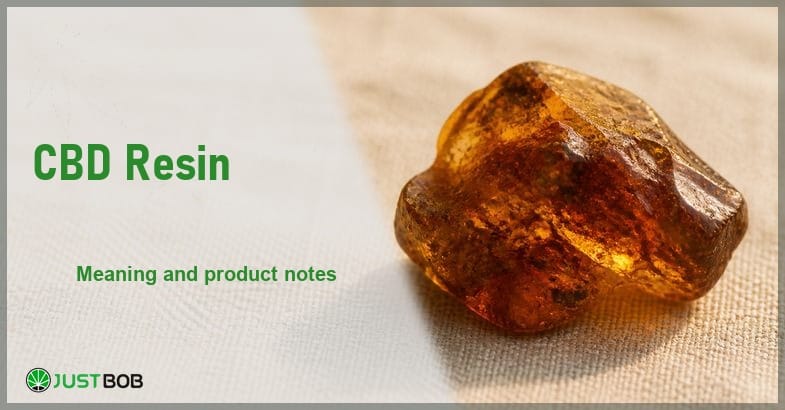
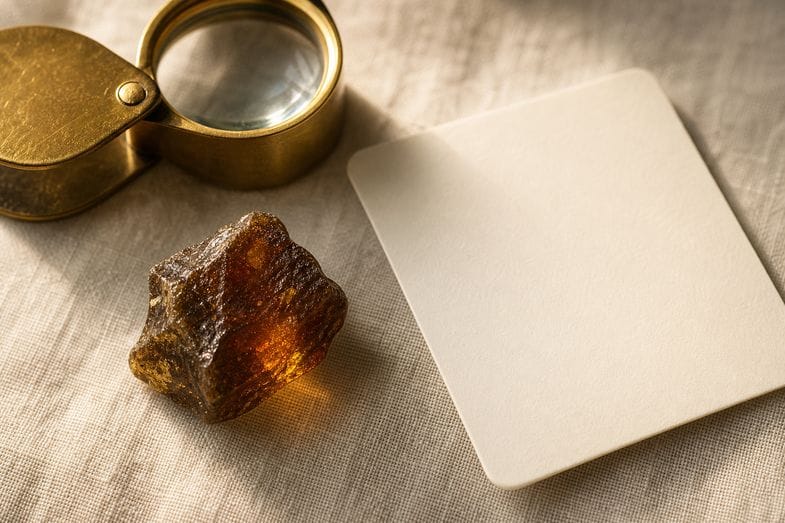
Picture a small piece of resin under a magnifier beside a product card, named for what it is rather than for what it claims. That is the honest setting for the topic. Resin words should be grounded before they get poetic, and CBD resin is most useful when it stays a material word, read next to the figures and the document.
What CBD resin means
CBD resin is a vocabulary word for a hemp resin, a pressed or natural resinous material drawn from Cannabis sativa L. grown as an agricultural crop. On a product page it names the material and its look, alongside the indicative CBD figure, the texture wording and the certificate of analysis. Read plainly, CBD resin is a material note, not a promise, for technical, scientific and ornamental products. The products it describes are listed on the CBD extracts page, where the figures and documents sit.
Kept at that level, the term stays steady. CBD resin names a material and a texture; it does not rate anything and it does not promise anything. The job of this guide is to keep the word grounded in the product card, where it belongs.
Texture and format vocabulary
Texture is where resin vocabulary does its work. A product card may describe a resin in plain terms, firm, pliable, crumbly, by its colour and the way it holds together, as a description of the material. These are texture notes, read as a way of naming how a resin looks and handles, and they sit beside the figures as part of the description.
Read across a page, the texture wording becomes a fair point of comparison. One resin’s firm note set beside another’s softer note is a plain difference a reader can register, no louder than the figures. The vocabulary is most useful when resin is read as a material, lined up with the other fields rather than taken as a headline.
Read also: What are CBD crystals?
A resin that earned its name
Resins have carried plain, material names for a long time. Shellac, for one, is a resin gathered from a natural secretion and refined into flakes, and it was named for the material itself, not for any grand claim. For decades it gave early records their hard playing surface and furniture its French polish, simply because it was a resin with a known, describable character.
A product page works on the same plain principle. CBD resin is a material word in the same family: a name for a resin, read by its look and its texture rather than by a slogan. Shellac earned its place by being a describable material; CBD resin earns its place the same way, as a word that points at a resin and its character rather than at anything past the description.

Read also: CBD Extract Texture: How To Read The Format
Product page context
On a product page, CBD resin sits in context rather than alone. It names the material beside the product name, the indicative CBD figure and the category, as one entry among the plain fields. Read in that setting, the resin word is part of the description, not the point of it, and it earns its place by being grounded.
Read this way, CBD resin stays useful. The texture wording describes; the figures record; the document confirms. A resin named clearly helps a reader picture the material, while the same word dressed up as a promise would only pull the page off course.
Labels and documents
A material note only holds if the record backs it. On a product page, the named fields sit beside the figures and the lot number, and the certificate of analysis confirms them for the batch. The label names the resin; the document measures the contents; the lot number ties the two together, so the material a reader pictures matches the rows on the paper.
This is why a resin word ends near a document. The texture sits beside the figures, where the THC reading is checked against the 0.3 percent threshold harmonised at European level, and the CBD figure is stated as indicative. Our legal hemp note covers the framework these products sit within, and for an official overview the European Commission page on hemp sets out the wider context.
CBD resin on a Justbob page
On a Justbob page, CBD resin has an easy job: a material word beside named figures stated as indicative and the certificate that confirms them. Every commercialised product is analysed and each batch is checked, with the document available on the product page, so the resin a reader reads sits next to a record that can be traced to its row.
Every product is grown by selected EU hemp partners and sits inside the EU industrial hemp framework, with THC kept at or below the 0.3 percent threshold harmonised at European level. Each one is offered for technical, scientific and ornamental purposes only. Read this way, on a Justbob page CBD resin is simply a material word on a card, anchored by a document.
Frequently asked questions about CBD resin
What is CBD resin?
A material word. CBD resin names a hemp resin, a resinous material drawn from Cannabis sativa L. grown as an agricultural crop, described by its colour, texture and look. On a product page it sits beside the indicative CBD figure, the category and the certificate of analysis for the batch, as a description of the material. Read this way, CBD resin is plain vocabulary, set next to the figures and the THC reading checked against the 0.3 percent threshold, not a promise of its own.
Is CBD resin a category page?
No. CBD resin is a vocabulary word that describes a material; the products themselves are listed on the CBD extracts category page, where the figures and documents sit. Reading CBD resin as support vocabulary, and keeping the listings on the category page, is what keeps the term useful without turning it into a second catalogue.
Why check product documents?
The certificate of analysis is the anchor of a resin word. The label names the material and records the indicative CBD figure; the certificate measures the contents for the batch, including the THC reading checked against the 0.3 percent threshold. A lot number that matches the certificate lets a reader confirm a product rather than trust it, which keeps the resin word tied to a measured record.