Modified on: 13/07/2026
Resin vocabulary belongs near the label
Cannabis resin is easier to discuss when the page reads it as vocabulary, texture and product context. The phrase names a plant substance, the sticky material the hemp plant produces, and the most useful reading keeps it close to the plant and the label rather than letting it drift. This guide reads cannabis resin as vocabulary: what the word names on the plant, how it sits behind the extracts, and how the label and document keep the term honest.
-
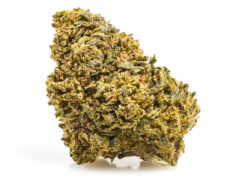
 Max CBDAMNESIA CBD BOOSTStarting from: 0,85€/g
Glasshouse | CBD<40%
Grams5 10 20 50 100 200 400 -
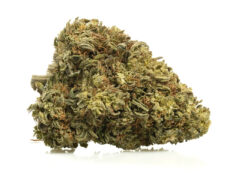
Max CBDAK47 CBD BOOSTStarting from: 1,45€/g
Indoor | CBD<47%
Grams5 10 20 50 100 200 -
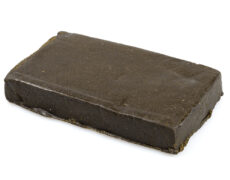
Max CBDCHARAS
CBD HASH | CBD<45%
Starting from:SUMMER SALE -10%
0,90€0,80€/gGrams5 10 20 50 100 200 -
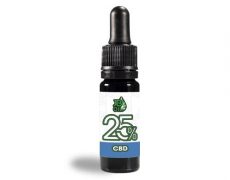
JB OIL 25%Starting from: 14,90€
CBD Oil 25%
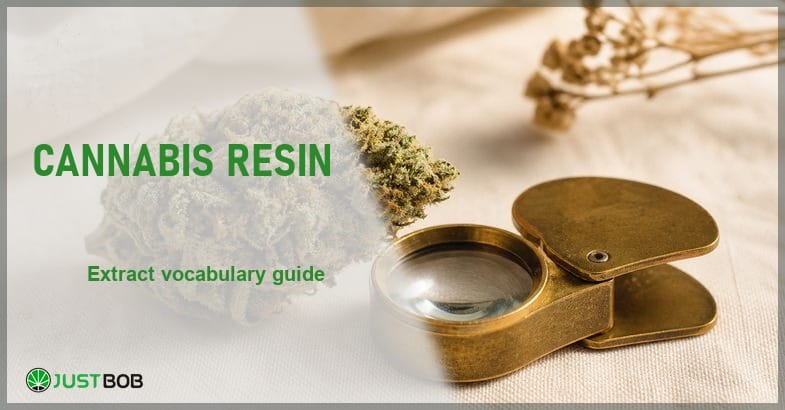
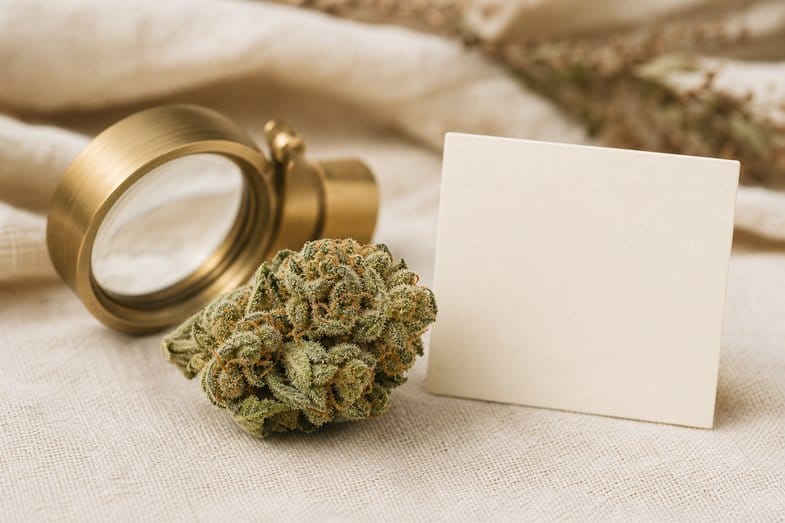
Picture a magnifier over a hemp bud, with a product card and certificate beside it. That is the honest setting for the word. Resin terms get sharper when they stay near the plant they describe and the label that records the product, and they get vague the moment they wander away from both.
What cannabis resin means
Cannabis resin is the sticky substance produced by the hemp plant, gathered in the tiny glandular hairs on the flower, drawn from Cannabis sativa L. grown as an agricultural crop. The term names a plant material, not a promise: a natural resin that the plant makes and that sits behind several product formats. At heart it is a piece of plant vocabulary, used to describe what a product is made from.
The term stays steady at that level. Cannabis resin names the plant substance itself, distinct from any single finished format, and it works best read as a description of the plant, not as a product category. This page defines that wording clearly and keeps it tied to the label and the document.
Plant vocabulary
The plant words are the foundation. Resin forms in the trichomes, the small glandular hairs on the hemp flower, where the plant gathers its aromatic compounds. A description that uses cannabis resin is really pointing at those structures on the plant, so the word sits naturally beside terms like flower, trichome and aroma, never far from the company it keeps.
In context, the wording makes more sense. Cannabis resin is the plant-substance word, and the formats that follow, the pressed and the extracted, are simply different ways that substance is presented. The term stays useful as long as it is anchored to the plant, because that is where its plain meaning comes from.
Read also: What Are Trichomes? A Botanical Guide
Extract context
Beyond the plant, the word lands in product context. Cannabis resin is the substance behind the extract formats, and a reader who follows the vocabulary arrives naturally at the CBD extracts category, where the finished products are listed. The plant word and the product page are two ends of the same description.
The word keeps its place across three layers:
- The plant substance: resin, formed in the trichomes of the hemp flower.
- The finished formats: the pressed and the extracted products that this resin sits behind.
- The record: the label and the certificate of analysis that tie a specific batch to its figures.
Those layers are easiest to read together: the plant word explains what a product is made from, and the document confirms the batch.
What a lens revealed
The idea that looking closely at a plant sharpens its vocabulary is an old one. In 1665, Robert Hooke published Micrographia, a record of what he saw through an early microscope, and his close drawings of plant material revealed structures that plain words had missed, including the cell. Looking closely gave the vocabulary something solid to point at.
A product page works on the same plain principle. Cannabis resin is a clearer word when it is read next to the trichomes it forms in and the label that records the product, exactly as Hooke’s terms grew sharper next to what the lens revealed. The microscope tied words to structures on the plant; a product page ties resin vocabulary to the plant and the document, and in both cases the closeness is the point.
Read also: CBD Hash Aroma: How To Read Resin Notes
Labels and documents
A plant word only holds if the record backs it. On a product page, the description sits beside the figures and the batch number, and the certificate of analysis confirms them for the lot. The label describes; the document measures; the batch number ties the two together, so the resin a product is made from matches the rows on the paper.
This is why a vocabulary guide ends at the document. A label is read against the certificate, where the THC figure is checked against the 0.3 percent threshold harmonised at European level, and the CBD figure is stated as indicative. Our legal hemp note covers the framework these products sit within, and the European Commission page on hemp sets out the wider overview.
Cannabis resin on a Justbob page
On a Justbob extract page, the vocabulary does a narrow job: a plant word, the named components, an indicative figure and the certificate that confirms them. Every commercialised product is analysed and each batch is checked, with the document available on the product page, so the resin a product is made from can be traced to the row that records it.
Every product is produced by selected EU hemp partners and sits inside the EU industrial hemp framework, with THC kept at or below the 0.3 percent threshold harmonised at European level. Each one is offered for technical, scientific and ornamental purposes only. Seen that way, on a Justbob page cannabis resin is simply a plant word, backed by a document.
Frequently asked questions about cannabis resin
What is cannabis resin?
Cannabis resin is the sticky substance produced by the hemp plant, gathered in the tiny glandular hairs on the flower, drawn from Cannabis sativa L. grown as an agricultural crop. The term is a piece of plant vocabulary that describes what a product is made from, sitting behind the extract formats and offered for technical, scientific and ornamental purposes. It is read against the label and the certificate of analysis for the batch, where the THC figure is checked against the 0.3 percent threshold, so the word stays anchored to the plant and confirmed on paper.
Is this a how-to article?
No. This is a vocabulary guide that defines the plant word and ties it to the document. It stays on the plant, the extract context and the label, and it deliberately leaves anything beyond the vocabulary to one side. The page reads cannabis resin as a description to be checked against the record, which keeps the topic on the plant and the paperwork.
Why link it to CBD extracts?
Because cannabis resin is the substance behind the extract formats. The plant word describes the source material; the extracts category lists the finished products; the certificate confirms the figures for a specific batch. Following the vocabulary from the plant to the CBD extracts page is how a reader moves from what a product is made from to the actual listings, with the document confirming each one.