
Modified on: 02/08/2026
A glossary that keeps old claims out
Industrial hemp terminology can sound stiff, but it becomes friendlier when every word has a shelf label. The phrase covers the plain vocabulary used around legal hemp: what the plant is called, how its product families are named, and which terms appear on labels and documents. This guide is a glossary, and only that. It defines the words you meet on a legal hemp page, keeps each one practical, and leaves every other kind of claim outside the box.
-
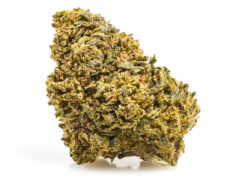
 Max CBDAMNESIA CBD BOOST
Glasshouse | CBD<40%
Starting from:FLASH SALE -10%
0,85 €0,75 €/gGrams5 10 20 50 100 200 400 -
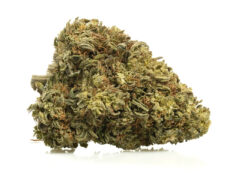
Max CBDAK47 CBD BOOSTStarting from: 1,45 €/g
Indoor | CBD<47%
Grams5 10 20 50 100 200 -
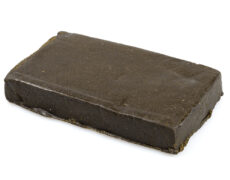
Max CBDCHARASStarting from: 0,90 €/g
CBD HASH | CBD<45%
Grams5 10 20 50 100 200 -
JB OIL 25%Starting from: 14,90 €
CBD Oil 25%
Picture a small glossary box, one card per term. Official words can feel cold until each gets a plain definition, and then they turn useful: a name, a category, a figure, each doing one clear job. That is the whole ambition here.
What industrial hemp terminology means
Industrial hemp terminology is the set of agreed words used to describe hemp as a legal agricultural plant and its products. It covers the botanical name, the regulatory terms, the product families and the document words, each defined plainly. It is reading vocabulary, not a technical manual.
Kept at that level, the glossary stays useful and safe. It explains what a term means when you meet it on a page, and it does not stray into anything a list of definitions has no business covering. Used that way, the glossary is a plain tool: a reader meets an official-sounding word, looks it up here, and carries on, with the term placed rather than puzzled over.
The core legal-hemp words
A few terms anchor the rest. Industrial hemp is Cannabis sativa L. classified within an agricultural legal category. Cannabis sativa L. is the botanical name itself, and the L. is the standard author abbreviation for Linnaeus. A registered variety is a hemp type entered on an official list, and the 0.3 percent threshold is the THC figure, harmonised at European level, that defines the legal category. For the wider context, our guide to legal hemp sets out how these terms fit together.
Read as vocabulary, these words simply classify a plant and a category. Each is a definition or a figure, not a verdict, and together they explain why a product is called industrial hemp at all. None of them says anything about a person; each describes the plant and its category, and stops there.

Product-family vocabulary
The plant gives several product families, and each has its own term. Fibre and stalk products are one family; seed products are another; and the flower and its extracts make up a third, the one most CBD pages deal with. These are descriptive categories, names for parts of the same plant put to different uses.
Knowing the family words keeps a page readable. When a listing says flower or extract, it is naming which part of the industrial hemp plant the product comes from, and nothing more is implied by the label than that. The same three families turn up across the wider hemp market, so learning them once helps a reader follow almost any listing, whatever brand it carries.
The register behind the term
The word industrial sits on a foundation of lists. The European Common Catalogue of varieties of agricultural plant species, first established in 1970, is the official register where approved varieties are recorded, and hemp varieties are entered on it. The term industrial hemp ultimately points back to that kind of register.
So a term that sounds bureaucratic is really just a pointer to a list. When a label names a registered variety, it is referring to a catalogue entry, the same way a glossary word refers to a definition. That is the plain logic of regulatory vocabulary: many of its stiff-sounding words are shorthand for an entry in some official register, readable once you know which register they point to.
Labels and documents
The terminology earns its keep where it meets a product. On a label, the botanical name, the variety and the THC figure all appear as printed words. Behind them sits the certificate of analysis, recording the cannabinoid figures and the THC reading against the 0.3 percent threshold harmonised at European level. The glossary is what lets a reader follow those words from page to document.
This is why plain definitions matter. A reader does not need the regulation in full; they need to recognise a term on a label and find the same term on the certificate for that batch. Read that way, the terminology is less a hurdle than a key, opening the line between a printed word and a measured one.

Read also: Legal sativa hemp: everything you need to know about it
What this glossary avoids
A glossary is defined by its limits as much as its entries. This one claims nothing for the plant and describes no outcome, it gives no instructions for raising or handling it, and it is not legal advice of any kind. Those subjects sit far outside a list of plain definitions, and they stay outside it here.
So the box holds only words: plant names, category terms, label and document vocabulary. For an official overview of hemp as an agricultural crop, the European Commission page on hemp sets out the wider framework the terms sit within.
Industrial hemp terms on a Justbob page
On a CBD flower page, this vocabulary is already at work: the botanical name, the variety, the product family and the THC figure, each appearing as a plain term beside the certificate that confirms it. Every commercialised product is analysed and each batch is checked, with the document kept inside the product page.
Every product sits inside the EU industrial hemp framework, with THC kept at or below the 0.3 percent threshold harmonised at European level. The products are offered for technical, scientific and ornamental purposes only, and on a Justbob page the terminology is read as exactly that: a set of plain words with documents behind them.
Frequently asked questions about industrial hemp terminology
What is industrial hemp terminology?
It is the set of plain words used to describe hemp as a legal agricultural plant and its products. It covers the botanical name Cannabis sativa L. and regulatory terms such as registered variety and the 0.3 percent THC threshold. It also covers the product families of fibre, seed and flower, and the label and document words that go with them. It is reading vocabulary scoped to legal hemp pages, defined so a reader can recognise each term on a page rather than study the regulation behind it.
Is this a legal advice article?
No. This is a glossary of terms, not legal advice. It defines words and explains where they appear on labels and documents, and it deliberately leaves out anything that would amount to guidance on what is permitted or how to act. For the legal framework itself, official sources such as the European Commission and the EU variety register are the right references, not a glossary.
Why do product documents matter?
Because the terminology only means something when it can be checked. A label uses the words, and the certificate of analysis confirms them, recording the cannabinoid figures and the THC reading against the 0.3 percent threshold harmonised at European level for the batch. Matching a term on the label to the same term on the document is how a reader uses the vocabulary in practice.