Modified on: 13/07/2026
A short word with a lot of product context
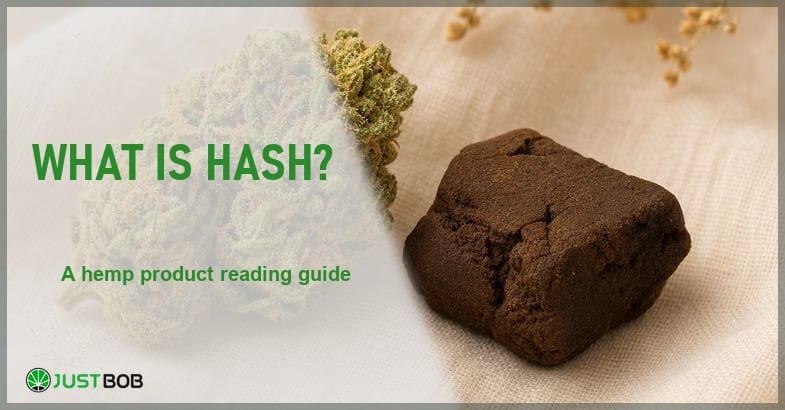
What is hash sounds like a tiny question until the page opens the whole glossary drawer. Hash is a short term that names a pressed resin product, and most of the confusion around it comes from one small label carrying too much baggage. This guide reads the topic as plain vocabulary: what hash names, where it sits among hemp products, and how the labels and documents keep it honest, without wandering into anything the term does not cover.
-
 Max CBDAMNESIA CBD BOOSTStarting from: 0,85€/g
Glasshouse | CBD<40%
Grams5 10 20 50 100 200 400 -
Max CBDAK47 CBD BOOSTStarting from: 1,45€/g
Indoor | CBD<47%
Grams5 10 20 50 100 200 -
Max CBDCHARAS
CBD HASH | CBD<45%
Starting from:FLASH SALE -10%
0,90€0,80€/gGrams5 10 20 50 100 200 -
JB OIL 25%Starting from: 14,90€
CBD Oil 25%
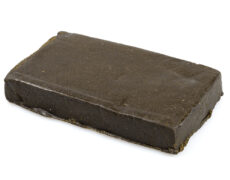
Picture a glossary card pinned above a desk, with the term on one side and a plain meaning on the other. Hash works best read like that: one short label, given a defined job. The noise comes from using it loosely; the fix is to pin it to a clear meaning and a document, so it stops carrying more than it should.
What is hash
Hash is resin gathered from the hemp plant and pressed into a firm form. Read plainly, what is hash is answered by naming a product format: a pressed resin item that sits in a defined family on a page. The label is a description, not a promise, and the whole point of a glossary guide is to read it precisely so it never drifts.
So what does that resin actually look like? Physically, pressed resin is the sticky material from the plant collected and compacted into a solid block or slab, firm enough to hold its shape. Kept at that level, the meaning stays steady: hash names a pressed resin format drawn from Cannabis sativa L. grown as an agricultural crop, offered for technical, scientific and ornamental purposes. The job here is to define the term and to place it correctly among hemp products, so a reader knows exactly what they are looking at.
Hemp product context
Hash makes more sense inside its product context. One hemp crop yields several families, and resin pressed into a block is one of them, named hash on a label. Set beside the flower it comes from and the extracts that share the resin, it takes its place in a small map of related products and stops standing alone.
The quickest way to see the difference is to line the three formats up by their physical state:
| Format | Physical state | How it is made |
|---|---|---|
| Flower | Loose dried bud | Plant material trimmed and dried, left whole |
| Hash | Firm pressed block | Resin gathered from the plant, then compacted |
| Extract | Poured or whipped concentrate | Resin separated, then poured, whipped or crystallised |
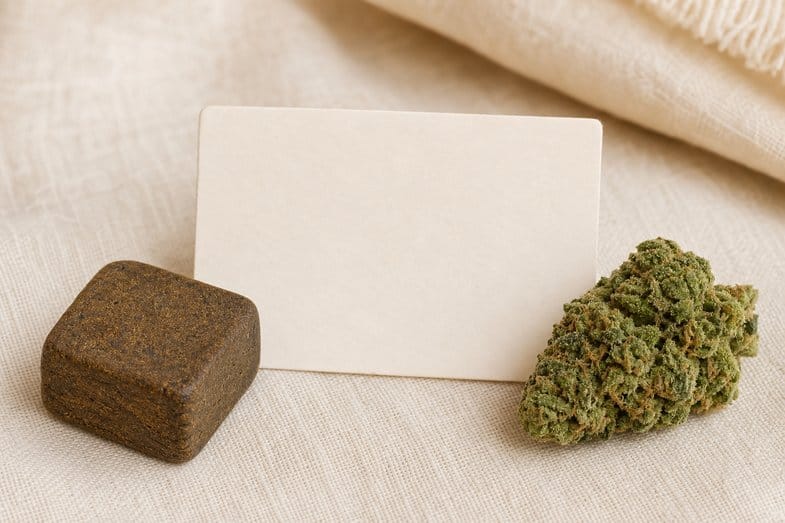
Side by side, the entries stop blurring together. Hash is the pressed-resin entry in the hemp product map, distinct from a loose flower and distinct again from a poured or whipped extract. These neighbours are most useful read together, because the differences between them are exactly what a label is trying to record.
Read also: CBD Hash Vs CBD Extracts: Format Differences
CBD hash pages
On a hemp shop, hash lands on a specific kind of page. A CBD hash page uses the term to name a pressed resin product, then sets the figures and the certificate beside it. The heading opens the page; the description and the document carry the detail, so the short label is backed by something a reader can check.
This is where a definition becomes practical. A reader who arrives asking what is hash leaves with the term placed correctly and a route to the products that carry it. A glossary entry describes and points; a category page lists and compares, and keeping those two jobs separate is what stops a short label from being overloaded.
A word that means chopped
The history here is plainer than its reputation. Hash comes from the French hacher, to chop, the same root behind the kitchen hash of chopped and mixed ingredients. It travelled into English as a name for something gathered and worked together, long before it settled onto any particular product. Its origin is simply about gathering and pressing, nothing more.
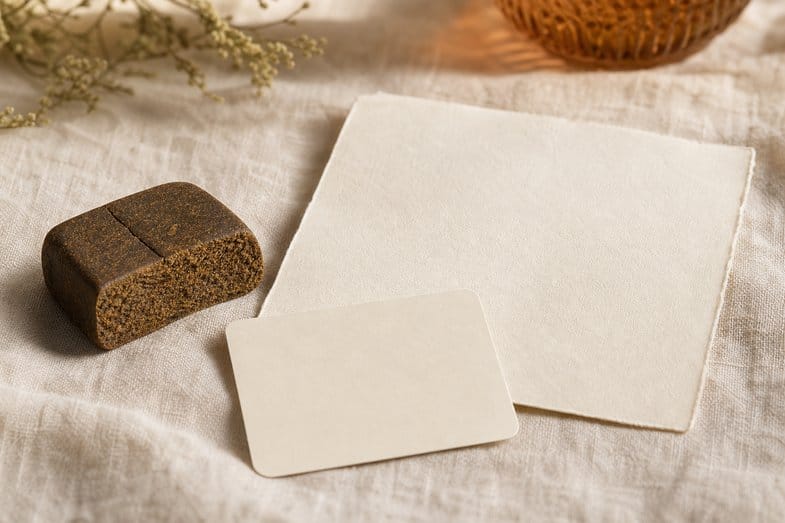
That etymology is the useful part. Read against its root, hash names a worked, pressed material, which is exactly what the product is: resin gathered and compacted into a form. The kitchen borrowed it for chopped food, the trade borrowed it for pressed resin, and in both cases the plain idea is the same: parts gathered and combined.
Read also: CBD Hash Hemp Traditions: Source-Aware Guide
Labels and documents
A label only holds if the record backs it. On a product page, the term hash sits beside the figures and the batch number, and the certificate of analysis confirms them for the lot. The label names; the document measures; the batch number ties the two together, so the heading matches the rows on the paper and never floats free.
This is why a glossary entry ends at the document. The term is read against the certificate, where the THC figure is checked against the 0.3 percent threshold harmonised at European level, the very line that keeps the product inside the hemp framework. For the regulation that defines that line, the EU rules on the common agricultural policy set out the framework, and our legal hemp note covers it in plainer terms.
What is hash on a Justbob page
On a Justbob CBD hash page, the term does a narrow job: it names a pressed resin product, with the figures stated as indicative and the certificate that confirms them. Every commercialised product is analysed and each batch is checked, with the document available on the product page, so hash can be traced from the label to the row that records it.
Every product is produced by selected EU hemp partners and sits inside the EU industrial hemp framework, with THC kept at or below the 0.3 percent threshold harmonised at European level. Each one is offered for technical, scientific and ornamental purposes only. Read this way, on a Justbob page what is hash is answered by a short, defined word, backed by a document.
Frequently asked questions about what is hash
What is hash?
Hash is a word for resin gathered from the hemp plant and pressed into a firm form, drawn from Cannabis sativa L. grown as an agricultural crop. The term names a pressed resin product that sits in a defined family among hemp products, offered for technical, scientific and ornamental purposes. It is read against the label and the certificate of analysis for the batch, where the THC figure is checked against the 0.3 percent threshold, so the word can be confirmed rather than taken on its own.
Is this a category page?
No. This is a vocabulary guide that defines the word and places it among hemp products. The comparison of actual products belongs on the CBD hash category page, where the listings, indicative figures and documents sit together. The guide describes and points a reader to that route, and it deliberately leaves the commercial comparison to the category, which keeps the short word from being overloaded.
Why check batch documents?
Because a word is only as solid as the record behind it. The term hash on a label is read against the certificate of analysis, where the THC figure is checked against the 0.3 percent threshold for the lot. Following the word from the label to its row on the document is how a reader confirms the product, not just the term on its own.