Modified on: 01/08/2026
Product-page notes that point, not instruct
Hemp flower handling notes should sound like a plain product-page reminder, not a set of directions. The phrase covers the short lines a product page uses to point at how an item is packaged, where its label sits and where its documents live. This guide keeps to that meaning. It frames handling notes as page wording, a way of organising a listing, rather than as instructions about doing anything with the product.
-
 Max CBDAMNESIA CBD BOOSTStarting from: 0,85 €/g
Glasshouse | CBD<40%
Grams5 10 20 50 100 200 400 -
Max CBDAK47 CBD BOOST
Indoor | CBD<47%
Starting from:HALLOWEEN SALE -10%
1,45 €1,30 €/gGrams5 10 20 50 100 200 -
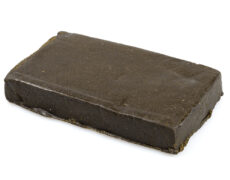
Max CBDCHARAS
CBD HASH | CBD<45%
Starting from:HALLOWEEN SALE -10%
0,90 €0,80 €/gGrams5 10 20 50 100 200 -
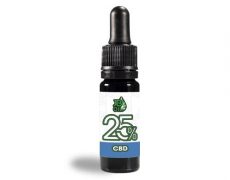
JB OIL 25%Starting from: 14,90 €
CBD Oil 25%
Picture a packing desk, with a sealed parcel and a short note clipped to it. The note is not telling anyone what to do next; it is simply saying what is in the package and where to look for the paperwork. That is the spirit a handling note keeps on a product page.
What hemp flower handling notes means
Hemp flower handling notes are the small page lines that describe how a product is presented: that it arrives sealed, what its packaging is, and where the label and documents can be found. They are part of the listing, sitting alongside the description rather than standing in front of it.
The important word is notes. These lines point and remind; they do not instruct. The page describes how the item is packaged and presented, and it leaves anything to do with using the product entirely outside the listing.
The packaging context
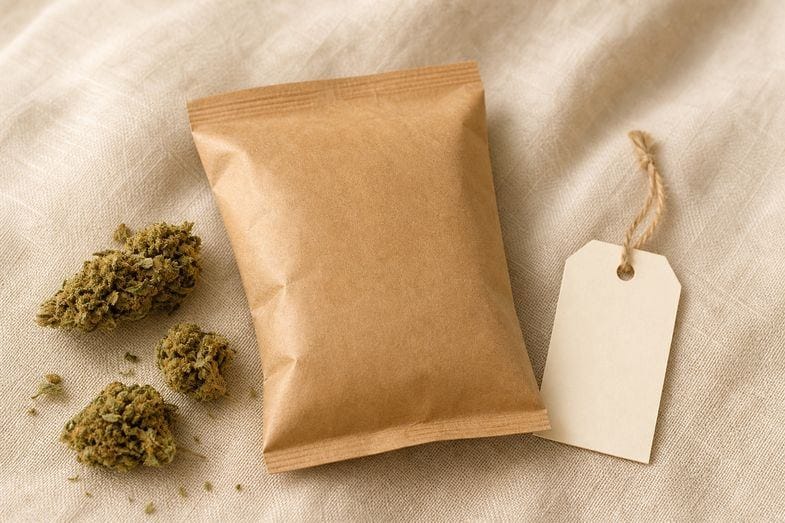
The first kind of note is about packaging. A page might say that a flower arrives sealed in protective packaging, or that the pack carries the same identifiers as the listing. These are descriptions of how the item is presented for sale, written so a reader knows what to expect in the box.
Read as page wording, this is straightforward. The note tells you about the packaging as a fact of the product, and it stops there, with no step-by-step attached and nothing for the reader to act on. It is the kind of line a reader takes in at a glance and moves past, having learned one small thing about the listing.

Read also: CBD Flower Lab Testing: What the Checks Show
The label route
The second kind of note is the label route: where the label is and what it names. A handling note might point to the variety name, the indicative CBD figure and the batch code on the label, so a reader knows where the key identifiers are printed. For the descriptive side of that label, our guide to the CBD flower terpene profile shows how the aroma words are organised.
This is signposting, not instruction. The note says, in plain terms, here is where to read the label, and the reader follows it to the printed identifiers rather than to any course of action.
The document route
The third note is the document route, the line that points to the paperwork. It tells a reader that a certificate of analysis sits with the product, recording the cannabinoid figures and the THC reading against the 0.3 percent threshold harmonised at European level. The note is a signpost to the document, not a summary of it.
Together, the packaging note, the label route and the document route make a small map of the listing. Each one says where something is, so a reader can find the packaging facts, the label and the certificate without hunting.
A note is a reminder, not an instruction
This is the line the whole page rests on. A handling note reminds a reader where things are and what the product is; it never tells them what to do with it. The moment a note turned into a set of steps, it would stop being a page reminder and become something this listing is not for.
So the test for any handling note is simple. Does it point at a fact, a label or a document, or does it try to instruct? Keep the pointing, leave out the instructing, and the note stays exactly what it should be: a small signpost that does its job and no more.
Read also: CBD Flower Legal Framework: The Rules Behind The Label
Wordless notes, an old idea
The idea of a short handling note is older than any product page. For generations, parcels have carried wordless ones: the little printed symbols on a box, an umbrella for keep dry, a wine glass for fragile, designed so a single handling note could cross any language. They say one plain thing and nothing more.
A product-page handling note works in the same restrained spirit. It conveys a small, clear piece of information about packaging or paperwork, and it resists the temptation to say more than that, just as a printed symbol on a parcel never tries to explain itself.
What this page avoids
To keep that line clean, this page leaves several things out. It stays away from sequences, actions and any page language that would push the reader beyond packaging, labels or documents. The listing describes and signposts; it does not instruct.
So the handling note is left as page wording, pointing at packaging, label and document. For an independent overview of how CBD products are framed, the Food Standards Agency CBD guidance offers a regulator’s view, separate from the catalogue.
Handling notes on a Justbob page
On a CBD flower page, the handling notes do that small signposting job: a line on packaging, a pointer to the label, a pointer to the document. Every commercialised product is analysed and each batch is checked, with the certificate of analysis kept inside the product page, so the document the note points to is always there to open.
Every flower on a Justbob page sits inside the EU industrial hemp framework, with THC kept at or below the 0.3 percent threshold harmonised at European level. The products are offered for technical, scientific and ornamental purposes only, and a handling note is read as exactly that: a reminder of where things are, not a set of instructions.
Frequently asked questions about hemp flower handling notes
What are hemp flower handling notes?
They are the short product-page lines that describe how a hemp flower is presented: that it arrives sealed, what the packaging is, and where the label and the documents can be found. They sit alongside the description as part of the listing, and they work as reminders and signposts rather than as instructions. The point of a handling note is to tell a reader where things are, not to tell them what to do with the product.
What does a handling note leave out?
It leaves out any wording that would turn page wording into an action plan. The note points to packaging, the label and the certificate of analysis, and it stays with those visible listing elements. A handling note describes and signposts; it is not a set of steps.
Why check documents?
Because the document is where the listing is confirmed. A handling note points to the certificate of analysis, which records the cannabinoid figures and the THC reading against the 0.3 percent threshold harmonised at European level for the batch. Following the note to the document, and matching it to the label, is how a reader checks that a page holds together.