
Modified on: 15/07/2026
What A Hemp Flower Glossary Covers On A Product Page
A hemp flower glossary is a short, structured list of terms that a reader can use to decode a CBD flower listing without leaving the page. The catalog vocabulary mixes plant anatomy (calyx, pistil, trichome), chemistry (cannabinoid, terpene, CBD percentage), regulatory framing (EU registered variety, 0.3 percent THC threshold) and document fields (lot number, certificate of analysis). A clear glossary lines up these registers so that the reader can move across them in a single reading. This Justbob guide walks through the terms most often used on a hemp flower page and shows how they fit together on a 2026 catalog.
-
 Max CBDAMNESIA CBD BOOSTStarting from: 0,85€/g
Glasshouse | CBD<40%
Grams5 10 20 50 100 200 400 -
Max CBDAK47 CBD BOOSTStarting from: 1,45€/g
Indoor | CBD<47%
Grams5 10 20 50 100 200 -
Max CBDCHARAS
CBD HASH | CBD<45%
Starting from:FLASH SALE -10%
0,90€0,80€/gGrams5 10 20 50 100 200 -
JB OIL 25%Starting from: 14,90€
CBD Oil 25%
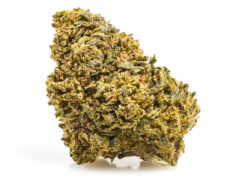
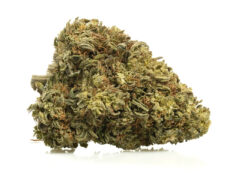
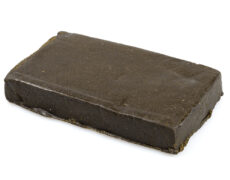
The goal is vocabulary literacy. After a quick read of a glossary, a reader should be able to scan a CBD flower listing and identify each term without confusion, and the link between the photo, the label and the certificate should remain visible at a glance.
Why a glossary matters on a CBD flower listing
A CBD flower listing on a 2026 catalog brings together four registers in a single page: a photograph that shows the bud, a short product description that names the variety, a label that lists the cannabinoid percentage, and a certificate of analysis that confirms the figures. Each register uses its own vocabulary, and a reader who jumps from one to the other needs to translate the terms in real time. A glossary makes that translation immediate.
A CBD flower page that uses precise vocabulary reads as a careful page. Terms like “calyx”, “trichome”, “registered variety” and “lot number” are not decorative; they are the structural elements of how the listing connects to the EU industrial hemp framework.
Hemp plant anatomy terms: calyx, pistil, bract, sugar leaf
The anatomy register names the visible parts of the hemp inflorescence. The calyx is the small floral structure that contains the reproductive organs of the plant; on a hemp bud, the calyces fold together to form the compact spherical shape that dominates the photograph. The pistil is the fine orange or coral filament that runs across the bud surface; pistils start out white and shift toward amber as the lot matures. The bract is the small modified leaf that wraps the calyx; bracts often carry a dense trichome layer that contributes to the visible resin frost. The sugar leaf is the small leaf that sits close to the calyces and may carry a partial trichome coating of its own.
Together, these four terms describe most of what a reader sees when looking at a hemp bud on the catalog. A page that names the calyces and the bracts in the description usually reads as a more careful page than one that simply says “flower” without further detail.
Resin and chemistry terms: trichome, cannabinoid, terpene
The chemistry register names the molecular layer of the hemp flower. A trichome is a small glandular hair on the epidermis of the bud that synthesises and stores the cannabinoid and terpene fraction of the variety; trichomes appear in three main forms (bulbous, capitate-sessile, capitate-stalked) and produce the silvery frost visible on a high-resolution catalog photograph.
A cannabinoid is a chemical compound naturally present in hemp, with CBD (cannabidiol) as the headline cannabinoid for CBD flower, alongside trace amounts of CBG, CBN, CBC and the regulatory marker THC. A terpene is a volatile aroma compound also produced by the trichome heads; the main hemp terpenes include myrcene, limonene, linalool, caryophyllene and pinene, and they shape the aroma family of the variety (earthy, citrus, floral, spicy, pine).
Document terms: COA, lot number, registered variety, LOQ
The document register names the fields on a certificate of analysis. The COA (Certificate of Analysis) is the structured laboratory report that travels with each hemp lot; the lot number is the unique identifier that ties the document to a specific batch; the registered variety is the genetic baseline of the lot drawn from the EU industrial hemp catalogue; the LOQ (limit of quantification) is the lowest value that the laboratory can measure precisely, often appearing as a flag next to minor cannabinoid entries.

A reader who knows the document register can scan a certificate in less than a minute. The COA acronym signals that the lot has been tested; the lot number connects the bottle on the shelf to the laboratory record; the registered variety locates the lot inside the EU industrial hemp framework; the LOQ flag explains why some minor cannabinoid entries appear as “below LOQ” rather than as a numerical value.
Product format terms: flower, hash, extract, kit
The product format register names the categories that the catalog organises around. Flower (or inflorescence) is the dried hemp bud, sold whole or in trimmed form. Hash is the pressed resin product, produced through dry sieve or hand rubbing techniques by EU producers. Extract is the cannabinoid concentrate (shatter, crumble, wax, crystals) produced through controlled extraction methods. Kit is a curated assortment of two or more product formats packaged together for catalog convenience.
A page that uses these format terms accurately makes the catalog easier to browse. A reader who knows that “hash” and “extract” are different formats with different production paths and different texture vocabularies can move between the relevant catalog sections without confusion.
Regulatory terms: EU industrial hemp catalogue, 0.3% threshold
The regulatory register names the framework that the entire catalog operates inside. The EU industrial hemp catalogue is the public register of registered hemp varieties recognised across European member states. The 0.3% threshold is the harmonised European limit for THC content in industrial hemp, applied to the dry weight of the inflorescence. A lot that reads at or below this line is compliant; a lot that reads above the line falls outside the EU industrial hemp framework.
These terms travel together across most of the catalog vocabulary. A page that mentions a registered variety implies the EU framework; a page that mentions the THC threshold implies the harmonised European limit. The two terms read as a pair on most certificate of analysis documents.
For wider regulatory context, the European Commission page on hemp is a useful entry point. It links to the EU industrial hemp catalogue and the Regulation (EU) 2021/2115 framework, which sit behind every glossary entry that touches the regulatory register on the catalog.
Sensory terms: aroma family, texture, density
The sensory register names the perceptual layer of the catalog page. An aroma family is a grouping label for the dominant scent character of the variety (earthy, citrus, floral, spicy, pine); the texture description names the tactile character of the product (compact, airy, soft, firm, crumbly); the density description names the visual weight of the bud or the resin (heavily packed, loose, sparse).

These three terms work together to describe the experience of looking at a hemp bud listing. A page that names the aroma family clearly, the texture in observable terms and the density in visual terms reads as a more careful page than one that drifts into adjective territory (“premium”, “intense”, “unforgettable”).
A short history of hemp glossaries
The European tradition of plant glossaries has a long lineage. John Gerard, the English botanist and surgeon, published The Herball, or Generall Historie of Plantes in London in 1597, a 1480-page reference work that described more than two thousand plants with their names, vocabulary and visual cues. The volume included entries on “Hempe”, with separate descriptions for the male and female plants, and made the systematic glossary approach available to English-language readers for the first time.
Gerard’s herbal sat alongside earlier continental works (Dioscorides, Fuchs, Mattioli) and was revised in 1633 by Thomas Johnson, who corrected many of the original entries and expanded the cannabis section.
The volume set the precedent for the structured plant glossary that later naturalists like Linnaeus and Hooker built on across the eighteenth and nineteenth centuries.
A useful glossary cross-reference for the broader vocabulary is CBD Flower Terminology: A Clear Hemp Glossary, which sits beside this article for readers focused on the terminology of CBD flower listings as a whole.
For a 2026 catalog reader, the line from Gerard to the modern CBD flower glossary is direct. The basic plant terms (calyx, bract, leaf) come from that early herbal tradition; the chemistry terms (cannabinoid, terpene, trichome) come from twentieth-century botanical science; the regulatory and document terms come from the EU industrial hemp framework that the catalog operates inside.
How Justbob keeps glossary terms accurate
Justbob carries out constant analyses on all commercialised products and on every batch. The relevant documents are available inside each commercialised product page, so a reader who wants to confirm the cannabinoid breakdown, the THC threshold compliance or any specific glossary term mentioned on the catalog for a specific lot can open the certificate of analysis without leaving the page.
The catalog page and the certificate work as two surfaces of the same vocabulary. The page uses the glossary terms in their descriptive form; the certificate uses them in their quantitative form. A reader can move between the two registers without translation, because the vocabulary is consistent across the catalog.
The framework around all of this is the EU industrial hemp register, with THC kept below the 0.3 percent threshold harmonised at European level. The registered variety contributes the genetic baseline; the EU producer contributes the production craft; the laboratory contributes the analytical reading; the glossary contributes the shared vocabulary.
Read also: CBD Flower Lab Testing: What the Checks Show
Compliance-safe wording in a hemp glossary
Compliance-safe wording in a hemp flower glossary stays strictly descriptive of botany, chemistry, regulation and documents. A definition such as “Trichome: small glandular hair on the hemp epidermis, producing the cannabinoid and terpene fraction of the variety” describes the term. A phrase like “Trichome: the source of unforgettable resin power” describes the marketer. The first earns the reader’s attention; the second sets off the signals that brought the page under review.
Hemp flower products are sold for technical, scientific and ornamental purposes only, in line with the EU industrial hemp framework. The glossary terms, the percentages and the document references are part of how the catalog is positioned. They are not directives, not benefits and not alternatives to other regulated product categories.
The test is simple. If a glossary entry helps a reader read the rest of the catalog page, the entry is doing its job as vocabulary. If an entry invites a reader to do something with the product, the glossary has stepped outside the safe lane.
A short reading routine for a glossary-driven page
Reading a glossary-driven CBD flower page is a quick discipline. Identify the register of each term as it appears (anatomy, chemistry, document, format, regulatory, sensory); cross-check the term against the catalog vocabulary on the listing; open the certificate of analysis for the lot-specific values that the glossary describes in abstract; confirm the registered variety against the EU industrial hemp catalogue; place the THC reading against the 0.3 percent threshold harmonised at European level. The routine takes about a minute once the glossary registers are familiar.
🌿 If you would like to see how these terms are presented in practice, visit Justbob to explore CBD flower listings with detailed product information, cannabinoid profiles, and supporting documentation.
Frequently asked questions about hemp flower glossary
What does a hemp flower glossary include?
A hemp flower glossary brings together six main registers of vocabulary: plant anatomy terms (calyx, pistil, bract, sugar leaf), resin and chemistry terms (trichome, cannabinoid, terpene), document terms (COA, lot number, registered variety, LOQ), product format terms (flower, hash, extract, kit), regulatory terms (EU industrial hemp catalogue, 0.3 percent threshold) and sensory terms (aroma family, texture, density).
What is the most important regulatory term to know?
The EU 0.3 percent THC threshold is the regulatory anchor for industrial hemp products on the European catalog. A lot that reads at or below this line, harmonised at European level, is compliant with the EU industrial hemp framework. The threshold appears on most certificates of analysis next to the cannabinoid breakdown, and it sits behind every registered variety in the EU hemp catalogue.
How does a glossary help a reader compare products on the catalog?
A glossary gives a reader a shared vocabulary across product pages. Once the terms are familiar, two CBD flower listings can be compared on the same anatomical, chemical, document and sensory cues, regardless of how each page phrases the description. The glossary turns the catalog into a navigable surface rather than a series of independent pages.