

Modified on: 17/09/2026
CBD Hash Consistency: How Texture Helps You Understand CBD Hash Products
When reading a CBD hash product page, texture is one of the first details that helps create a clearer picture of the product. A compact block, a softer surface or a more crumbly consistency can provide useful information about the format and presentation of CBD hash.
Texture should not be considered a quality ranking or a guarantee of specific characteristics. Instead, it is a descriptive element that helps customers compare different CBD hash products more carefully, together with product photos, aroma descriptions and batch documentation.
-
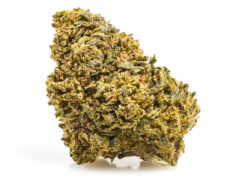
 Max CBDAMNESIA CBD BOOSTStarting from: 0,85€/g
Glasshouse | CBD<40%
Grams5 10 20 50 100 200 400 -
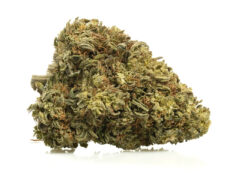
Max CBDAK47 CBD BOOSTStarting from: 1,45€/g
Indoor | CBD<47%
Grams5 10 20 50 100 200 -
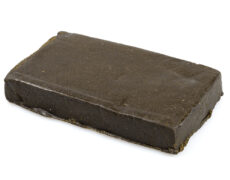
Max CBDCHARAS
CBD HASH | CBD<45%
Starting from:FLASH SALE -10%
0,90€0,80€/gGrams5 10 20 50 100 200 -
JB OIL 25%Starting from: 14,90€
CBD Oil 25%
A good consistency description works like a material sample: it uses simple words to explain what the customer can expect visually and physically.
What does CBD hash consistency mean?
CBD hash consistency describes how the material looks and behaves visually.
Common descriptions include: compact, soft, crumbly, resinous, pressed or slightly uneven. These terms help explain the format of the product without making assumptions about quality. A texture description should always remain connected to what can actually be observed in the product presentation.
A good consistency description works like a material sample: it uses simple words to explain what the customer can expect visually and physically.
For this reason, consistency can help the reader understand product format. It is a useful comparison tool, but it should always be read together with the product information and available documents.

Compact, soft and crumbly CBD hash textures
Different CBD hash products can have different textures depending on their characteristics and format.
- A compact CBD hash block may appear firm and well pressed, with defined edges and a uniform appearance.
- A softer texture may show more rounded shapes or a more flexible structure.
- A crumbly consistency may separate more easily into smaller pieces.
None of these characteristics automatically indicates a better or worse product. They simply describe different formats that customers may prefer depending on their expectations.
The best approach is to compare the product image, the written description and the batch information together.
Resin, terpenes and the visible surface of CBD hash
CBD hash is made from concentrated hemp resin, the sticky material produced by the trichomes of Cannabis Sativa L. Trichomes contain holds cannabinoids and aromatic compounds such as terpenes, responsible for the aroma profile of CBD products. When a CBD hash description mentions a resinous appearance, an shiny surface or a particular aroma profile, it refers to characteristics connected with the plant resin.
Terpenes contribute to the natural aroma profile of hemp products. Different aromatic notes may be described using terms such as citrus, earthy, woody or herbal. These descriptions help customers understand the product profile but should always be considered descriptive rather than absolute promises. A CBD hash with a citrus aroma layer may suggest limonene; an earthy or woody character may be associated with myrcene or pinene. The terpene profile is one part of why two CBD hash products with similar texture can still read differently on the page.
For a careful reader, this is where consistency and aroma start to overlap. A compact CBD hash with a strong resinous surface usually carries a denser aroma profile, while a softer or more crumbly texture may smell lighter and fresher. The texture and the aroma vocabulary describe the same object from two angles, and the resin is what links them on the visible surface of the product.
How to read CBD hash product descriptions
CBD hash, sometimes written as CBD hashish, is a category of CBD products produced by separating and pressing the resin of industrial hemp flowers. The hashish vocabulary has a long tradition in plant-product language; in this EU context the CBD hashish phrase points to a hemp-derived material whose CBD content is the focus, while the THC content stays under the regulatory threshold of less than 0.3 percent.
A CBD hash product page, included Justbob, usually combines several types of information:
- CBD percentage;
- texture and consistency description;
- aroma notes;
- product images;
- batch documentation.
Reading these elements together allows customers to make a more informed comparison.
The same applies to the term CBD hashish, which is sometimes used as a longer version of CBD hash. Both expressions refer to pressed hemp resin products, while the important differences are found in the characteristics described on each product page. For wider regulatory context, the European Commission page on hemp explains the EU industrial hemp framework and certified-variety background.
The role of Cannabis Sativa L. and hemp resin
CBD hash comes from industrial hemp, a variety of Cannabis Sativa L. cultivated within the European regulatory framework [(EU) 2021/2115]. The extraction context, that is to say the separation of resin from the plant material, is a long-standing technique that predates modern hemp products by centuries: traditional sieving methods have been used in different parts of the world to collect plant resin in concentrated form. In our view, mentioning that background helps a CBD hash page feel less abstract.
In other words, the resin collection process has historical roots and involves separating resin-rich plant material before pressing it into the final format. The plant variety, production process and characteristics of the resin all contribute to the final appearance and consistency of the CBD hash.
In a European industrial hemp context, the extraction step is straightforward and physical: the resin is collected from dry hemp flowers, then pressed into the format the reader sees on the product page. The cannabis Sativa L. plant provides the raw material, the variety registered in the European Catalogue defines the regulatory line, and the extraction technique shapes the texture and the resin content of the final CBD hash product. The compounds inside the resin are the cannabinoids and terpenes that the batch document then describes in detail.

Product photos and batch documents: why both matter
Photos are useful because they allow customers to see the general appearance of a product before purchase. They can show elements such as colour, shape, surface appearance, consistency.
Batch documents, instead, provide a different type of information because they refer to analytical data connected with a specific production lot. Our eCommerce Justbob carries out constant analyses on all commercialised products and on every batch. Inside each commercialised product page, those documents help connect texture descriptions with the information attached to the specific lot.
A careful comparison should always include both visual information and documentation. Texture can offer useful clues, but it should not be interpreted as the only indicator of product characteristics.
How to compare CBD hash consistency between products
When comparing two CBD hash products, consider:
- Does the texture description match the product image?
- Are the consistency differences clearly explained?
- Are batch details and documentation available?
- Is the description focused on visible characteristics rather than exaggerated claims?
This approach helps customers understand the differences between products without relying on a single feature.
Read also: CBD Hash Texture: What Soft, Firm and Crumbly Can Mean
Why CBD hash quality is read across the whole page
CBD hash quality is not a single label decision. It is a reading habit that puts texture, resin, aroma, photo and batch documents on the same page. CBD hash products with a compact look may signal one kind of pressing, while softer or crumbly options point to another. Quality, in this sense, is the consistency between what the page describes and what the documents support.
CBD hash products in a careful catalog usually offer a range of options across textures, with pressed bricks, softer formats and crumbly options all valid as descriptive variations. The content of each page should make the quality reading easy: clear photo, restrained texture wording, batch reference, document link. The texture wording stays close to what can be seen, the document keeps everything anchored to a specific lot, and the cannabis sativa L. plant context provides the regulatory backbone that all CBD products in the EU framework share.
In our view, comparing CBD hash products is mostly a matter of reading habits. Compactness is not a medal; softness is not a flaw. The reader needs comparison vocabulary, batch documents and a clear range of options, not a winner declared by texture alone.
Conclusion: how to read CBD hash consistency correctly
Understanding CBD hash consistency means learning how to compare products through different types of information. Texture can help describe whether a CBD hash product appears compact, soft or crumbly, but it should always be considered together with aroma descriptions, product images and batch documentation.
A careful reading of the product page helps customers focus on clear and verifiable details. Consistency is a descriptive feature, not a quality ranking: different CBD hash formats can have different textures while remaining distinct product options.
🌿Want to explore CBD hash products and compare different textures, formats and product information? Visit the Justbob online store and discover our range of CBD products.
Frequently asked questions about CBD hash consistency
What does CBD hash consistency mean?
CBD hash consistency describes texture and compactness, such as pressed, soft, crumbly or resinous visual features.
Why can CBD hash texture vary?
Texture can vary with product format, resin profile, pressing style and storage context. The product description and batch documents help keep the reading specific.
Is consistency the same as quality?
No. Consistency is one visual clue. It should be read together with photos, labels and batch analyses.