

Modified on: 16/09/2026
CBG (Cannabigerol): a Small Acronym with a Useful Place on Hemp Labels
CBG is a small acronym that often appears on hemp product labels, laboratory documents and cannabinoid descriptions. But what does CBG mean, and why is this cannabinoid mentioned alongside CBD and other compounds found in Cannabis Sativa L.?
This guide explains the role of CBG (cannabigerol), its connection with CBGA, its place among hemp cannabinoids and how to read CBG information correctly without confusing a scientific term with a product promise. As interest in CBG continues to grow, products specifically focused on this cannabinoid are becoming more common. One example is Wafer CBG, which reflects the growing presence of CBG-focused products within the broader hemp cannabinoid landscape. Understanding what CBG represents helps consumers read product information, labels and laboratory data with greater clarity.
-
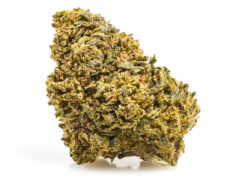
 Max CBDAMNESIA CBD BOOST
Glasshouse | CBD<40%
Starting from:FLASH SALE -10%
0,85 €0,75 €/gGrams5 10 20 50 100 200 400 -
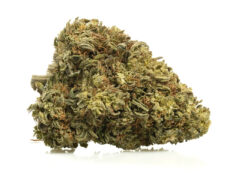
Max CBDAK47 CBD BOOSTStarting from: 1,45 €/g
Indoor | CBD<47%
Grams5 10 20 50 100 200 -
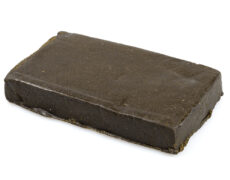
Max CBDCHARASStarting from: 0,90 €/g
CBD HASH | CBD<45%
Grams5 10 20 50 100 200 -
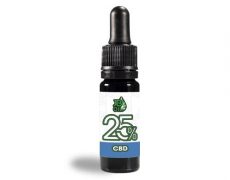
JB OIL 25%Starting from: 14,90 €
CBD Oil 25%
The CBG cannabinoid belongs in a glossary before it belongs anywhere else. That may sound less exciting than a grand promise, but it is much more useful. Understanding cannabinoid terminology makes product pages easier to read. CBG is not a mystery ingredient or a ranking label: it is simply one of the naturally occurring compounds discussed in hemp and cannabis plant chemistry.
What is the CBG cannabinoid? Understanding the term cannabigerol
CBG stands for cannabigerol, a cannabinoid found in Cannabis Sativa L. and discussed in scientific literature, analytical reports and hemp product descriptions.
When a reader asks “what is CBG?“, the simplest answer is that CBG is one of the many cannabinoids naturally associated with the cannabis plant. Like CBD and THC, it belongs to the wider vocabulary used to describe plant compounds.
A useful way to read CBG on a label is to treat it as a definition, not as a promise. The presence of a cannabinoid name provides information about the composition of a product, but it does not automatically create a ranking between different compounds. CBG should not be inflated into a claim or a ranking. Think of it as one of several types of cannabinoid names that appear in writing about hemp, the way wine labels list grape varieties without telling the reader how to feel.
CBG alongside CBD and THC: a comparison, not a competition
CBD (cannabidiol) is the most familiar cannabinoid name for many customers, while CBG is a less common term that often raises questions. However, comparing CBD and CBG should not be understood as choosing a “better” cannabinoid. They are different compounds that belong to the same broader family.
The same principle applies when CBG appears next to THC in a cannabinoid profile. Each entry describes a specific compound detected or analysed in relation to the product. The purpose of the information is clarity, not comparison.
CBD, CBG and THC are not competing alternatives, but distinct cannabinoids with their own characteristics. Understanding their differences helps provide a clearer picture of a product’s cannabinoid profile, focusing on transparency and knowledge rather than ranking one compound above another.

Cannabigerolic acid (CBGA): the precursor of major cannabinoids
Before CBG exists in its neutral form, the cannabis plant produces cannabigerolic acid, commonly known as CBGA.
CBGA is often described as a precursor molecule because several important cannabinoids develop from this compound through natural enzymatic processes inside the plant. During plant development, CBGA can transform into the acidic forms of cannabinoids such as:
- CBDA, the precursor of CBD;
- THCA, the precursor of THC;
- CBCA, the precursor of CBC.
This connection explains why CBG is sometimes described in scientific discussions as a central part of cannabinoid formation. It represents one step in the complex chemistry of Cannabis Sativa L. The history behind CBG is worth a mention. In 1964, researchers Raphael Mechoulam and Yehiel Gaoni in Jerusalem isolated and described several cannabinoids, including CBG, building on Roger Adams’ earlier work on CBD in 1940. What began as a discovery in a laboratory would later become part of the broader understanding of the plant’s chemistry, with CBG earning its place among the cannabinoids studied today.
For those reading a label or analysing a batch report, this distinction is important. When CBG, or its acidic precursor CBGA, appears on a product page or laboratory document, it refers to a specific component of the plant’s cannabinoid profile — not a personal claim or an expected effect. Understanding the relationship between CBGA and CBG also helps explain why some analyses show only trace amounts of CBG: much of the CBGA may have already converted into other cannabinoids by the time the plant material was harvested. Together with CBD and THC values, CBG results provide a more complete picture of the cannabinoid composition of that specific batch.

Understanding CBD without misconceptions: it is not a quality ranking
One of the most common misunderstandings is assuming that a higher or lower amount of CBG automatically reflects product quality.
In reality, CBG is simply one cannabinoid among many naturally produced by the hemp plant. Its concentration may vary depending on genetics, cultivation methods, harvesting time and the natural conversion of CBGA into other cannabinoids.
For this reason, CBG should never be interpreted as a quality score. The overall product profile, laboratory analysis and batch information provide a much more meaningful picture.
Scientific terminology versus product descriptions
Scientific publications and commercial product pages serve different purposes.
Research papers discuss cannabinoids from a biochemical perspective, focusing on molecular structure, plant metabolism and analytical methods.
Product descriptions, on the other hand, explain the characteristics of a specific hemp product in clear and accessible language.
Keeping these two contexts separate helps avoid unrealistic expectations and allows customers to interpret cannabinoid information correctly.
→ For plant-chemistry background, a PubMed Central review on cannabinoids and terpenes explains how Cannabis sativa compounds and aroma-related terpenes are discussed in scientific literature.
How to read CBD on a product page: a simple method for comparing products
When comparing hemp products that mention CBG, it is useful to follow a simple process:
- read the product description;
- check the cannabinoid profile;
- review the laboratory analysis;
- compare different batches
rather than focusing on a single acronym.
This approach provides a broader understanding of the product and prevents individual cannabinoids from being taken out of context.
Reading the complete cannabinoid profile
CBG should always be interpreted together with the rest of the cannabinoid profile.
CBD remains the primary cannabinoid in most industrial hemp products, while CBG contributes additional information about the plant’s natural composition. Looking at all cannabinoids together gives a more accurate representation of the product than focusing on a single value.
Read also: Trace THC In Hemp Flowers: Why Batch Reports Matter
Conclusion: Understanding CBD in context, a label-reading habit to keep
CBG is an important part of hemp terminology and helps provide a more complete picture of the cannabinoid profile found in Cannabis Sativa L. products. Rather than being viewed as a quality indicator or a standalone feature, it should be considered alongside CBD, other cannabinoids and the laboratory analysis associated with each batch.
Learning how to read product labels, cannabinoid profiles and batch documents makes comparing hemp products easier and more transparent. The goal is not to focus on a single acronym, but to understand how each element contributes to describing the product accurately.
To close the explanation, a short list of what CBG is useful too. It is not a personal promise. It is not an instruction for use. It is not a substitute for any product from a regulated cannabinoid category. It is, in our view, a vocabulary item written down so that the rest of the page can stay even: a name on a label, a line in a batch document, a small piece of the cannabis glossary that helps the reader make sense of CBG and the other cannabinoids printed beside it, without over-claiming on any of them.
🌿 Want to explore the hemp products? Explore the Justbob catalogue and discover our range of laboratory-tested hemp products, complete with detailed product descriptions and batch analyses to help you make informed comparisons.
Frequently asked questions about CBG cannabinoid
What is the CBG cannabinoid?
CBG stands for cannabigerol, a cannabinoid discussed in hemp and Cannabis Sativa L. contexts. It can appear in educational material, labels and analytical documents.
Is CBG the same as CBD?
No. CBG and CBD are different cannabinoid names. Product documents are the right place to check how they appear in a specific lot profile.
Why do hemp labels mention CBG?
Labels may mention CBG to describe the cannabinoid profile more clearly. The detail should be checked in the batch documents when available.