Modified on: 03/09/2026
What CBD Hash and THC Hash Mean On A Product Page
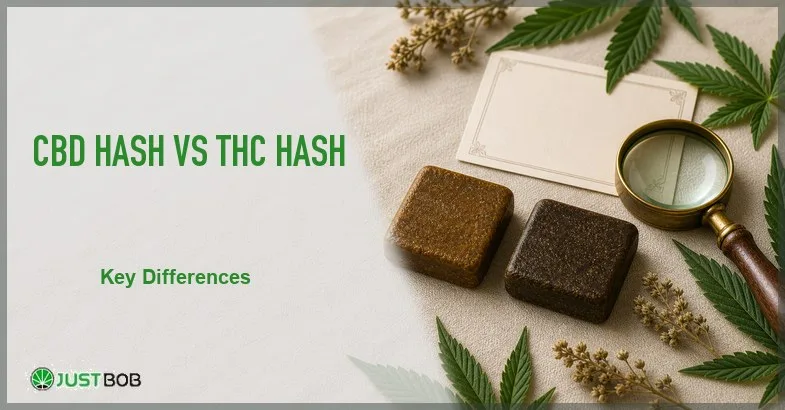
CBD hash and THC hash are two related but legally distinct resin products derived from the cannabis plant. The difference between them is regulatory and chemical, not stylistic. The cannabinoid panel on the certificate of analysis determines whether the lot belongs to the EU industrial hemp framework (CBD hash) or sits outside it (THC hash, which is not on the European catalog for industrial hemp purposes). This Justbob guide explains how the two read on a product page and why only the CBD hash side belongs to a 2026 EU catalog.
-
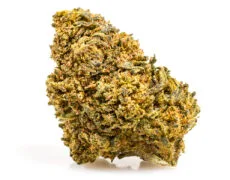
 Max CBDAMNESIA CBD BOOSTStarting from: 0,85€/g
Glasshouse | CBD<40%
Grams5 10 20 50 100 200 400 -
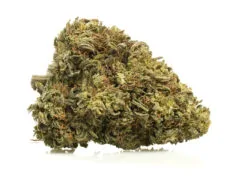
Max CBDAK47 CBD BOOSTStarting from: 1,45€/g
Indoor | CBD<47%
Grams5 10 20 50 100 200 -
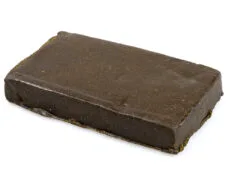
Max CBDCHARAS
CBD HASH | CBD<45%
Starting from:FLASH SALE -10%
0,90€0,80€/gGrams5 10 20 50 100 200 -
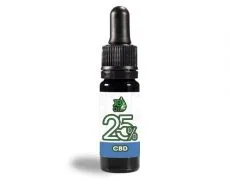
JB OIL 25%Starting from: 14,90€
CBD Oil 25%
The goal is regulatory literacy. After a quick read, a reader should be able to identify whether a hash product on a catalog page sits inside or outside the EU industrial hemp framework, simply by reading the cannabinoid panel on the certificate.
Two cannabinoids, one resin: CBD and THC in industrial hemp
CBD (cannabidiol) and THC (tetrahydrocannabinol) are the two most cited cannabinoids in the hemp resin family. They share the same biosynthetic origin from cannabigerolic acid (CBGA), the precursor molecule that the trichome heads produce in the early ripening stage of the plant. As the lot matures, CBGA branches into either CBD or THC depending on the enzymatic pathway active in the registered variety.
A CBD hash lot concentrates the CBD-leaning pathway: the cannabinoid panel reports a high CBD percentage and a THC value at or below the regulatory threshold. A THC hash lot concentrates the opposite pathway and reports a THC percentage above the regulatory line, which places it outside the EU industrial hemp framework that the catalog operates inside.
Read also: CBD Hash Texture: What Soft, Firm and Crumbly Can Mean
The EU 0.3 percent threshold and what it draws
The EU industrial hemp framework defines a specific regulatory line: 0.3 percent THC content by dry weight of the inflorescence, harmonised across European member states. A hemp resin lot that reads at or below this line, with a registered variety on the document and a compliant supply chain, is an EU industrial hemp product. A lot that reads above this line falls outside the framework, regardless of how the catalog page might describe it.
The 0.3 percent line is the practical boundary between CBD hash (EU-compliant) and THC hash (not part of the EU industrial hemp catalog). For a reader, the line is straightforward: the certificate of analysis carries the THC value, and the THC value tells the reader which side of the framework the lot sits on.
CBD hash: the EU-compliant resin format
CBD hash on a 2026 EU catalog is a resin product produced from registered hemp varieties in the EU industrial hemp catalogue, with a cannabinoid panel that reports a CBD percentage as the headline figure and a THC value at or below 0.3 percent. The texture vocabulary (soft, firm, crumbly), the technique reference (dry sieve, hand-rubbed, ice water sieve, applied by EU producers) and the aroma family description all read inside this framework.
A CBD hash product page is structured the same way as the rest of the catalog: a photograph of the slab, a description that names the variety, a label that lists the cannabinoid percentage, a certificate of analysis that confirms the figures, and a regulatory frame that keeps the lot inside the EU industrial hemp register.
THC hash: outside the EU industrial hemp framework
THC hash is a resin product with a cannabinoid panel that reports a THC value above the 0.3 percent line. The category exists in other regulatory frameworks and in older general references to hashish, but it sits outside the EU industrial hemp framework that the Justbob catalog operates inside.

For a reader looking at a 2026 European hash listing, the practical implication is direct. A page that announces a hash product with a THC value above 0.3 percent is announcing a non-industrial-hemp lot, which the EU framework does not recognise as a registered hemp resin. A page that announces a hash product with a THC value at or below 0.3 percent is announcing an EU industrial hemp lot, properly placed inside the catalog.
How the two appear on a certificate of analysis
A certificate of analysis lists both CBD and THC values side by side on the cannabinoid panel. The CBD line carries the headline percentage; the THC line carries the regulatory marker. On a CBD hash certificate, the CBD entry is the larger figure (often in the 10 to 25 percent range for high-cannabinoid hash) and the THC entry sits at or below 0.3 percent. On a THC-leaning resin (not part of the EU industrial hemp framework), the proportions invert: the THC line carries the larger figure and the CBD line sits in the trace range.
The certificate also lists the methodology references (usually HPLC for quantification), the registered variety, the lot number, the analysis date and the laboratory signature. A reader who scans the document in the standard order finds the CBD versus THC reading near the top of the cannabinoid panel.
Label vocabulary: CBD percentage, THC compliance, registered variety
The label vocabulary on a 2026 CBD hash page brings together three coordinates: the CBD percentage (the headline cannabinoid figure), the THC compliance reading (the 0.3 percent threshold check), and the registered variety (the EU industrial hemp catalogue entry that names the genetic baseline). When the three coordinates align, the page reads as a compliant lot inside the EU framework.
For a CBD hash listing, the description usually places these three coordinates near the top of the page, alongside the texture vocabulary and the technique reference. Our reading is that this layout makes the regulatory framing transparent: a reader can verify the EU-compliant status of the lot in a few seconds, without needing to dig through the certificate.
A short history of cannabinoid chemistry
The chemistry that distinguishes CBD from THC has a clear pedigree. August Kekulé, the German chemist working in Ghent and later Bonn, published the Systematic Theory of Aromatic Structures in 1865, with the ring structure of benzene as its central insight. The cannabinoid core, which both CBD and THC inherit, is built on aromatic and aliphatic rings that descend directly from the structural chemistry that Kekulé formalised.
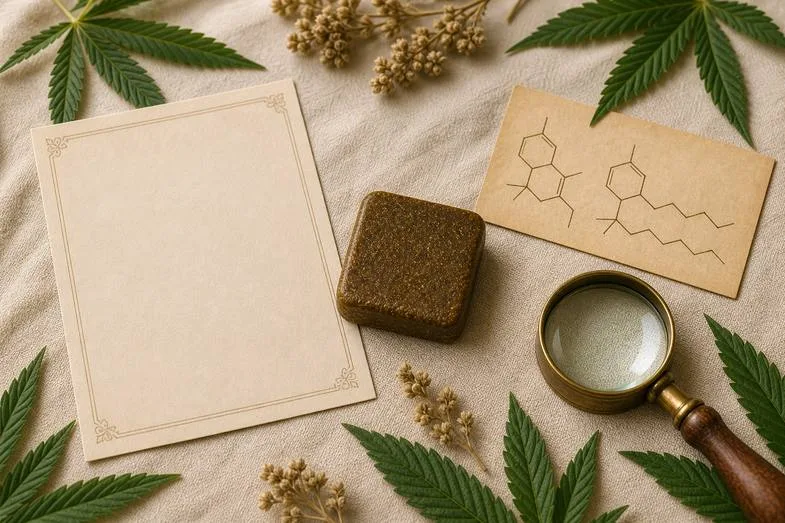
The distinction between CBD and THC sits in the way the ring system closes: CBD carries an open ring on the cyclohexene side, while THC closes the ring into a pyran configuration. The difference reads as a small structural detail, but it is the chemical reason behind the regulatory line and the reason CBD hash sits inside the EU industrial hemp framework while THC hash sits outside it.
For a 2026 catalog reader, this background gives the regulatory line a longer shelf than the label itself might suggest. The 0.3 percent threshold is drawn on chemistry that took shape in the second half of the nineteenth century, refined through the twentieth century and now applied across the EU industrial hemp register.
How Justbob frames the CBD hash side of the catalog
Justbob carries out constant analyses on all commercialised products and on every batch. The relevant documents are available inside each commercialised product page, so a reader who wants to confirm the cannabinoid breakdown, the THC threshold compliance or the registered variety for a specific lot can open the certificate of analysis without leaving the catalog.
The Justbob catalog operates entirely inside the EU industrial hemp framework. The hash listings on the catalog are CBD hash products produced by EU producers from registered hemp varieties, with THC content kept below the 0.3 percent threshold harmonised at European level. THC hash is not part of the catalog; it sits outside the EU industrial hemp register and outside the supply chain that the catalog is built on.
That separation keeps the regulatory framing clear. A reader who lands on a Justbob hash page is on the CBD hash side of the wider comparison; the certificate confirms the EU framework status; the registered variety locates the lot inside the industrial hemp catalogue.
Compliance-safe wording on a CBD hash comparison page
Compliance-safe wording for a CBD hash versus THC hash page stays strictly regulatory and chemical. CBD hash produced in the EU from a registered hemp variety, 14% CBD reading per lab document, THC below 0.3% threshold harmonised at European level describes the product. Premium hash for unforgettable resin experiences describes the marketer. The first earns the reader’s attention; the second sets off the signals that brought the page under review.
Hemp resin products are sold for technical, scientific and ornamental purposes only, in line with the EU industrial hemp framework.
For further regulatory context, you can also refer to CBD Legal In Europe: Source-Based Guide, which provides a source-based overview of CBD classification and the European legal framework.
The CBD percentage, the THC compliance reading and the registered variety are part of how the catalog is positioned. They are not directives, not benefits and not alternatives to other regulated product categories.
There is a simple way to tell the two kinds of wording apart. When the comparison helps a reader place the lot on the right side of the EU framework, the page is treating the terms as regulatory vocabulary, and the description rests on the cannabinoid panel rather than on adjectives. When the same wording starts pushing a reader toward action on the product, the description has moved away from the document and into territory that the safe lane does not cover.non voglio
A short reading routine for a CBD hash listing
The reading routine that ties the comparison together stays short and concrete. A reader who picks up a CBD hash listing on a 2026 European catalog can run through six checks in roughly the same order each time: the cannabinoid percentage on the catalog label, the certificate of analysis behind the listing, the CBD and THC values on the cannabinoid panel, the THC reading against the 0.3 percent threshold harmonised at European level, the registered variety against the EU industrial hemp catalogue, and the lot number on the jar against the lot number on the report. Once those six points feel familiar, the whole exercise wraps up in well under a minute.
For wider scientific context, the PubMed Central review on cannabinoids and terpenes is a useful entry point. It covers the molecular families behind the cannabinoid panel and the chemistry that distinguishes CBD from THC at the structural level.
🌿Ready to explore certified CBD products? Visit Justbob to browse the catalog and find detailed information about our CBD selections, product profiles, and documentation.
Frequently asked questions about cbd hash vs thc hash
What is the difference between CBD hash and THC hash?
CBD hash and THC hash are both resin products derived from cannabis, but they sit on opposite sides of the EU industrial hemp regulatory line. CBD hash has a CBD percentage as the headline figure and a THC value at or below 0.3 percent (harmonised at European level), placing the lot inside the EU industrial hemp framework. THC hash has a THC value above the 0.3 percent line, placing the lot outside the EU industrial hemp catalogue.
Why does the EU 0.3 percent threshold matter on a hash certificate?
The 0.3 percent THC threshold is the harmonised European limit for industrial hemp products. A hemp resin lot that reads at or below this line on the certificate of analysis is a compliant EU industrial hemp product; a lot that reads above the line falls outside the framework, regardless of how the catalog page describes it. The threshold is the practical boundary between CBD hash (EU-compliant) and THC hash (not part of the EU industrial hemp register).
Is THC hash available on the Justbob catalog?
No. The Justbob catalog operates entirely inside the EU industrial hemp framework, which means every hash listing on the catalog is a CBD hash product with a THC reading at or below 0.3 percent on the certificate of analysis. THC hash sits outside that framework and is not part of the supply chain behind the catalog.