Modified on: 16/07/2026
What CBD Flower Certificates Cover On A Product Page
A CBD flower certificate is the analytical document that travels with a hemp lot from the laboratory to the catalog. It carries the cannabinoid breakdown, the THC threshold compliance reading and the lot identity information that connects the bottle or jar on the shelf to the specific batch it was packaged from. This Justbob guide walks through what a CBD flower certificate contains, how to read its fields in the right order, and how the document sits next to the product page on a 2026 catalog.
-
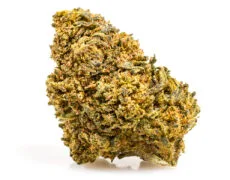
 Max CBDAMNESIA CBD BOOSTStarting from: 0,85€/g
Glasshouse | CBD<40%
Grams5 10 20 50 100 200 400 -
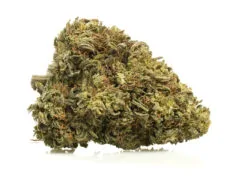
Max CBDAK47 CBD BOOSTStarting from: 1,45€/g
Indoor | CBD<47%
Grams5 10 20 50 100 200 -
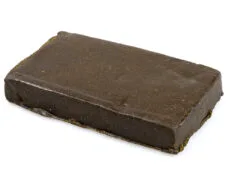
Max CBDCHARAS
CBD HASH | CBD<45%
Starting from:FLASH SALE -10%
0,90€0,80€/gGrams5 10 20 50 100 200 -
JB OIL 25%Starting from: 14,90€
CBD Oil 25%
The goal is document literacy. After a quick read, a CBD flower certificate should be legible at a glance, and the line between the catalog photo and the analytical reading should remain clear in the reader’s mind without needing a chemistry refresher.
Reading the COA acronym in the catalog vocabulary
COA stands for Certificate of Analysis. The acronym appears on catalog pages, label printouts and laboratory reports, and it points to the same document each time: a structured page that lists the analytical findings for a specific hemp lot. A CBD flower page that links to a COA, or that displays one as a thumbnail next to the variety, is signalling that the lot has been tested and that the reader can confirm the headline figures on the document side.
The COA is not a marketing surface. It is a structured report with predictable sections, often laid out in a standard order: lot identity, cannabinoid panel, secondary panels (terpenes, moisture, microbiological tests, residuals), methodology references and laboratory signature. A reader who knows the order can scan a new certificate in under a minute.
Read also: CBD Oil Certificate Checklist: What To Read
Header fields: lot number, date and registered variety
The top of a CBD flower certificate carries the identity fields that tie the document to a specific batch. The lot number is the unique identifier for the production batch; the analysis date is when the laboratory ran the tests; the sample description records what was tested (a hemp inflorescence, an extract, a hash slab); the registered variety names the genetic baseline of the lot, drawn from the EU industrial hemp catalogue.
These fields work as a passport for the lot. A reader who picks up a CBD flower jar on the catalog can match the lot number on the label to the lot number on the certificate, and the two should agree. The analysis date gives a reference for how recently the lot was tested; older certificates can still be valid, but they sit a few months behind the current shelf.
Cannabinoid breakdown: the main panel readings
The cannabinoid panel is the headline section of a CBD flower certificate. It lists the cannabinoid profile of the lot, usually as a percentage by weight or in milligrams per gram. The main entries are CBD (cannabidiol), THC (tetrahydrocannabinol), CBG (cannabigerol), CBN (cannabinol), CBC (cannabichromene) and a few acid forms (CBDA, THCA, CBGA, CBNA).
For a CBD flower lot in 2026, the CBD figure usually sits between 10 and 18 percent for higher-cannabinoid varieties, with secondary entries in the trace range. The minor cannabinoids appear in lower percentages, sometimes flagged as “below LOQ” (limit of quantification) when the value is too low to quantify precisely.
Our reading is that the cannabinoid panel works as the first line of the document. The headline CBD percentage frames the lot; the rest of the panel adds context. A page that announces a 14 percent CBD lot and a certificate that reports 14.2 percent CBD agree; a page that announces 14 percent and a certificate that reports 8 percent disagrees, and the reader has a basis to ask why.
THC threshold compliance and the EU 0.3% line
The THC entry on a CBD flower certificate sits next to the CBD reading and carries the regulatory weight of the document. The EU industrial hemp framework keeps THC below the 0.3% threshold harmonised at European level. A lot that reads above this line falls outside the EU industrial hemp catalogue framework; a lot that reads at or below the line is compliant.
For readers interested in how regulatory compliance influences the selection of CBD flower varieties available on the market, the article Legal Cannabis: More CBD Selection provides additional background.
Most certificates round the THC value to three decimal places, and many highlight the line visually. A reader looking at a CBD flower certificate can usually find the THC value within a few seconds; the registered variety should be one that the EU catalogue recognises, and the laboratory should report the figure in the same units that the EU framework uses (percent by dry weight).
Optional sections: terpenes, moisture, microbiological tests
Beyond the cannabinoid panel, a CBD flower certificate can include several optional sections. The terpene panel lists the volatile aroma compounds (myrcene, limonene, linalool, caryophyllene, pinene) that shape the scent character of the lot. The moisture reading reports the water fraction in the bud, usually between 8 and 12 percent. The microbiological panel checks for mould, yeast and bacterial counts. The residuals panel reports any pesticide, solvent or heavy metal traces, typically as “below detection limit” for a compliant EU lot.
These sections are not always required for catalog use, but they add analytical depth. A laboratory that publishes a full certificate with all sections gives the reader more material to work with; a laboratory that stops at the cannabinoid panel is offering a leaner document, still valid but less detailed.
Methodology references on a certificate
The methodology block of a CBD flower certificate tells the reader how the laboratory measured the values. Standard methods include HPLC (high-performance liquid chromatography) for cannabinoid quantification, GC-MS (gas chromatography mass spectrometry) for terpene profiles, Karl Fischer titration or loss on drying for moisture, and accredited microbiological protocols for the contamination panel. The laboratory usually lists the method codes and the reference standards used for calibration.
The methodology line matters for cross-laboratory comparison. Two laboratories that both run HPLC on the same lot should report similar cannabinoid figures within a small margin; a laboratory that uses an older or less standardised method may report figures that drift slightly. The certificate becomes more legible when the methodology is named on the document.
For wider regulatory context, the Food Standards Agency CBD guidance is a useful entry point. It provides the UK regulatory frame that sits next to the EU industrial hemp framework, and it covers the labelling and documentation expectations for hemp-derived CBD products on the broader anglophone market.
A short history of analytical chemistry
The analytical chemistry that produces a modern CBD flower certificate has a clear pedigree. Justus von Liebig, the German chemist who founded the analytical chemistry laboratory at the University of Giessen in the 1820s, published Anleitung zur Analyse organischer Körper (Instructions for the Analysis of Organic Bodies) in 1837. The volume systematised the quantitative analysis of organic substances and made the laboratory itself a standardised setting for chemical investigation, where students could learn the same procedures regardless of the school they came from.
Liebig’s Kaliapparat, the small glass device he designed for the combustion analysis of organic compounds, made it possible to measure carbon and hydrogen content with a precision that earlier chemists could not reach. The Giessen laboratory model spread across European universities through the second half of the nineteenth century and shaped the analytical procedures that modern certificates of analysis are still built on.
A 2026 CBD flower certificate that reports a cannabinoid percentage sits inside that tradition. The numbers come from quantitative instrumental analysis, and the instruments themselves descend from the standardised laboratory that Liebig built almost two centuries ago.
How a certificate sits next to the catalog listing
The CBD flower certificate and the catalog listing work as two sides of the same lot record. The catalog page carries the visible information (photo, headline cannabinoid percentage, variety name, packaging description); the certificate carries the analytical confirmation (cannabinoid panel, THC threshold compliance, optional secondary panels). A reader can move from one to the other on the same product page.
A useful glossary cross-reference here is Trace THC In Hemp Flowers: Why Batch Reports Matter, which sits beside this article for readers focused on the trace THC reading that the certificate confirms against the EU 0.3 percent line.
A coherent page keeps the two sides in agreement. The headline percentage on the catalog matches the cannabinoid panel on the certificate; the registered variety on the listing matches the variety field on the document; the lot number on the jar matches the lot number on the report. When the four layers agree, the page reads as careful.
How Justbob keeps the certificate available to readers
Justbob carries out constant analyses on all commercialised products and on every batch. The relevant documents are available inside each commercialised product page, so a reader who wants to confirm the cannabinoid breakdown, the THC threshold compliance or any other certificate field for a specific lot can open the certificate of analysis without leaving the catalog.
The reading routine is portable. Once a reader has cross-checked one CBD flower lot against its certificate, the same approach works for the next lot and the next variety. The structure of the document is consistent across laboratories that use standardised methodology; the EU industrial hemp catalogue framework keeps the regulatory part of the certificate on common ground.
That two-sided reading is what keeps the catalog page honest. Photo, label, registered variety, lot number and certificate sit on the same surface, and a CBD flower description can be tested against the document without leaving the page.
Read also: CBD Flower Lab Report: What It Shows and Why It Matters
Compliance-safe wording on CBD flower certificate pages
Compliance-safe wording for a CBD flower certificate page stays strictly descriptive of the document. “14% CBD reading per lab document, THC below 0.3 percent threshold, registered EU variety, lot number visible on jar and certificate” describes the product. “Premium tested CBD flower with unmatched analytical purity” describes the marketer. The first earns the reader’s attention; the second sets off the signals that brought the page under review.
Hemp products are sold for technical, scientific and ornamental purposes only, in line with the EU industrial hemp framework. The certificate fields, the cannabinoid percentages and the methodology references are part of how the product is positioned on the catalog. They are not directives, not benefits and not alternatives to other regulated product categories.
The test is simple. If the certificate description helps a reader understand the document, the page is using the words as analytical vocabulary. If the description invites a reader to do something with the product, the page has stepped outside the safe lane.
A short reading routine for a CBD flower certificate
Reading a CBD flower certificate is a quick discipline. Find the lot number and confirm it matches the label on the product; check the analysis date for recency; identify the registered variety against the EU industrial hemp catalogue; read the headline CBD percentage on the cannabinoid panel; confirm the THC value sits at or below the 0.3% threshold harmonised at European level; scan the secondary panels (terpenes, moisture, microbiological, residuals) if listed; note the methodology references for cross-laboratory comparison. The routine takes about a minute once the document structure is familiar.
🌿For those looking for CBD flowers with transparent product information and detailed quality documentation, explore the selection available at Justbob.
Frequently asked questions about cbd flower certificates
What does COA stand for on a CBD flower page?
COA stands for Certificate of Analysis. The acronym points to the structured laboratory report that lists the cannabinoid breakdown, the THC threshold compliance reading and the lot identity information for a specific hemp batch. A CBD flower page that links to a COA is signalling that the lot has been tested and that the reader can confirm the headline figures on the document side.
What is the most important number on a CBD flower certificate?
The THC reading carries the regulatory weight of the document. The EU industrial hemp framework keeps THC below the 0.3 percent threshold harmonised at European level. A lot that reads above this line falls outside the EU catalogue framework; a lot that reads at or below the line is compliant. The CBD percentage is the headline figure for the catalog reader, but the THC line is the regulatory anchor.
How often is a CBD flower certificate produced?
A new certificate is produced for each production batch, and laboratories usually retest the lot when the variety, the harvest cycle or the post-harvest finishing protocol changes. Justbob runs constant analyses on all commercialised products and on every batch, with the relevant documents available inside each commercialised product page.