
Modified on: 21/06/2026
A translator for rows and labels
Cannabinoid document vocabulary is the small set of terms a reader meets on labels, certificates and hemp product pages: the abbreviations, the row names, the units. None of it is complicated once each term has a plain meaning attached. This guide works like a translator, pairing the words on a document with what they name, so a reader can move through a label or a certificate without stumbling over the shorthand.
-
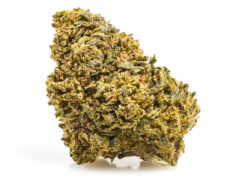
 Max CBDAMNESIA CBD BOOSTStarting from: 0,85 €/g
Glasshouse | CBD<40%
Grams5 10 20 50 100 200 400 -
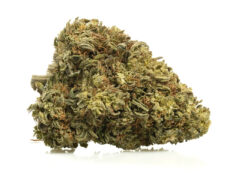
Max CBDAK47 CBD BOOST
Indoor | CBD<47%
Starting from:HALLOWEEN SALE -10%
1,45 €1,30 €/gGrams5 10 20 50 100 200 -
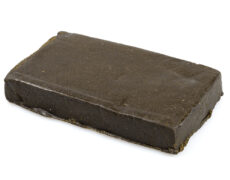
Max CBDCHARAS
CBD HASH | CBD<45%
Starting from:HALLOWEEN SALE -10%
0,90 €0,80 €/gGrams5 10 20 50 100 200 -
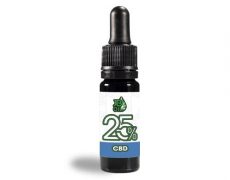
JB OIL 25%Starting from: 14,90 €
CBD Oil 25%
Picture a certificate with a column of short codes and a label with a few abbreviations. It is simply the key to those marks: CBD, THC and the rest read as names of measured entries, each tied to a figure. With the key in hand, the rows stop looking like code and start reading like a plain list.
What cannabinoid document vocabulary covers
Cannabinoid document vocabulary covers the terms used to record cannabinoids on a document: the abbreviations such as CBD or THC, the way a row is labelled, and the units beside a figure. It is about reading, not interpretation. Each term names an entry on a certificate or a label, so the vocabulary stays on what the document says rather than on anything beyond it.
Kept at that level, the terms are manageable. This is not a broad guide to cannabinoids; it is a reading aid for the words that appear on a page. It simply pairs each mark with its plain meaning, so a reader can recognise a term on a label and find the matching row on the certificate.
Label terms
On a label, the vocabulary is brief. A few abbreviations stand for named compounds, a figure gives an indicative percentage, and a unit shows how the figure is expressed. Reading the label means knowing that an abbreviation is a short name, a percentage is an indicative figure, and both are confirmed against the document for the batch.
Read that way, the label terms are plain. An abbreviation like CBD is a name, not a claim, and the figure beside it is a quantity marked as indicative. For the wider set of plant words these terms sit among, our CBD flower terminology note sets out the surrounding vocabulary.

Read also: CBD Flower Lab Report: What It Shows and Why It Matters
Certificate rows
The certificate is where the vocabulary is fullest. There, each cannabinoid usually gets its own row: a name or abbreviation, a measured figure, and a unit. The THC row is read against the 0.3 percent threshold harmonised at European level; the other rows record the figures measured for the batch. The vocabulary is the set of names that label those rows.
Read as a list, the rows are clear. A reader runs down the column, recognising each name and reading the figure beside it, with the THC reading checked against its threshold. The vocabulary is what turns that column from a block of codes into a readable record, one named row at a time.
A stone that unlocked a script
A single key that turns marks into meaning is a famous idea. The Rosetta Stone, carved in 196 BC and studied for centuries, carried the same text in more than one script; in 1822, Jean-Francois Champollion used it to read Egyptian hieroglyphs that had been silent for over a thousand years. One key turned an unreadable surface into language.
Cannabinoid document vocabulary is a far humbler key, but it does the same plain job. A short list of meanings turns the abbreviations and rows of a certificate into a readable record, so a reader is never staring at marks they cannot place. The stone unlocked a script; a vocabulary unlocks a label, and in both cases the key is simply knowing what each mark stands for.

Read also: Cannabis Leaves vs CBD Flowers: What Is The Difference?
Batch documents
The vocabulary always points back to a batch document. The certificate of analysis records the measured figures: the CBD figure stated as indicative, the THC reading checked against the 0.3 percent threshold, and the other compounds measured for the lot. The terms name the rows; the certificate records the figures.
This is why the vocabulary matters most beside a document. A reader can read an abbreviation on a label and find the same name in a row on the certificate, following one term from the page to the measured figure. A term is only as useful as the document row it helps a reader find.
The limits of the vocabulary
It is worth being plain about the scope. Cannabinoid document vocabulary, read this way, stays on the terms found on labels, certificates and pages, and what each one names. It is a reading aid, it points to the figures and the rows, and it leaves anything beyond the words and the records to one side. Those other questions sit outside a document vocabulary.
So the terms are read for exactly what they are: names for rows and figures, confirmed on paper. For the agricultural framework these documents sit within, Regulation (EU) 2021/2115 sets out the common catalogue and the legal category behind the figures.
Document vocabulary on a Justbob page
On a CBD flower page, the vocabulary does a narrow job: the abbreviations on the label, the names of the rows on the certificate, and the figures they carry. Every commercialised product is analysed and each batch is checked, with the document available on the product page, so each term can be traced from the label to the row that records it.
Every product sits inside the EU industrial hemp framework, with THC kept at or below the 0.3 percent threshold harmonised at European level, and is offered for technical, scientific and ornamental purposes only. Read this way, on a Justbob page cannabinoid document vocabulary is simply the key that makes the rows and labels readable.
Frequently asked questions about cannabinoid document vocabulary
What is cannabinoid document vocabulary?
It is the small set of terms used to record cannabinoids on labels, certificates and hemp product pages: the abbreviations such as CBD or THC, the way each row is labelled, and the units beside a figure. Each term names an entry rather than describing anything, so the vocabulary is a reading aid for a document. The terms are read against the certificate of analysis for the batch, where the THC reading is checked against the 0.3 percent threshold, so each name can be matched to a measured row.
Is this a broad cannabinoid guide?
No. A broad guide would set out the wider subject, while this page is a reading aid for the words that appear on a document. It pairs the abbreviations and row names with their plain meanings, so a reader can recognise a term on a label and find the matching row on the certificate. It deliberately stays on the vocabulary itself rather than expanding into the broader topic.
Why compare terms with documents?
Because a term is only useful when it leads to a figure. The abbreviation on a label names a compound; the certificate of analysis records the measured reading for the lot. Following a term from the label to its row on the document, including the THC reading checked against the 0.3 percent threshold, is how a reader confirms the vocabulary rather than reading the label on its own.