Modified on: 13/07/2026
The neat little offcut with a product story
What is cannabis trim becomes simpler when the article speaks like a tidy production note, not a garden manual. Cannabis trim is the small offcut material tidied away from hemp flower when it is manicured, and it has its own place on a product page as Trim CBD. This guide reads it that way, as product vocabulary: what the word names, how it sits on a label, and how the lot document keeps it honest, without drifting into how anything is grown.
-
 Max CBDAMNESIA CBD BOOST
Glasshouse | CBD<40%
Starting from:SUMMER SALE -10%
0,85€0,75€/gGrams5 10 20 50 100 200 400 -
Max CBDAK47 CBD BOOSTStarting from: 1,45€/g
Indoor | CBD<47%
Grams5 10 20 50 100 200 -
Max CBDCHARASStarting from: 0,90€/g
CBD HASH | CBD<45%
Grams5 10 20 50 100 200 -
JB OIL 25%Starting from: 14,90€
CBD Oil 25%
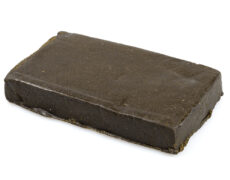
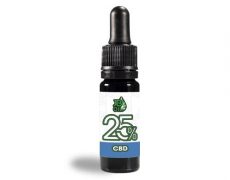
Picture a calm production room where flower is tidied and the small offcuts are gathered to one side, kept and named rather than discarded. That is the honest setting for the word. Cannabis trim is an offcut with a product story, and the useful version of the story stays on what a reader can see and check, not on anything that happens in a field.
What cannabis trim means
Cannabis trim is the leafy offcut material separated from hemp flower during manicuring, drawn from Cannabis sativa L. grown as an agricultural crop. The word names a by-product with its own value: the smaller leaf and trim around the bud, gathered as a distinct product rather than thrown away. Read plainly, cannabis trim is a product-family word, offered for technical, scientific and ornamental purposes.
Kept at that level, the term stays steady. Cannabis trim is the offcut entry beside the whole flower, related to it but distinct in form and grade. The job of this page is to describe that material clearly and to place it on the right shelf, beside the CBD flower it is tidied from.
Trim CBD context
On a shop, the word lands on a specific kind of page. A Trim CBD page uses the term to name the offcut material, then sets the figures and the certificate beside it. The word opens the page; the description and the document carry the detail, so a by-product word is backed by something a reader can check.
Read in context, the term loses any mystery. Trim is simply the tidied offcut, named on a label and grouped as its own product family rather than mixed in with the flower. The vocabulary is most useful when the trim word is read next to the flower it comes from, because the relationship between the two is exactly what a label is recording.
Visual and label clues
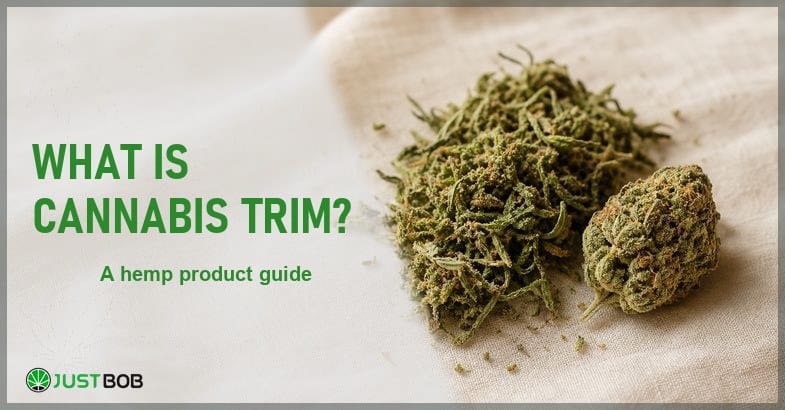
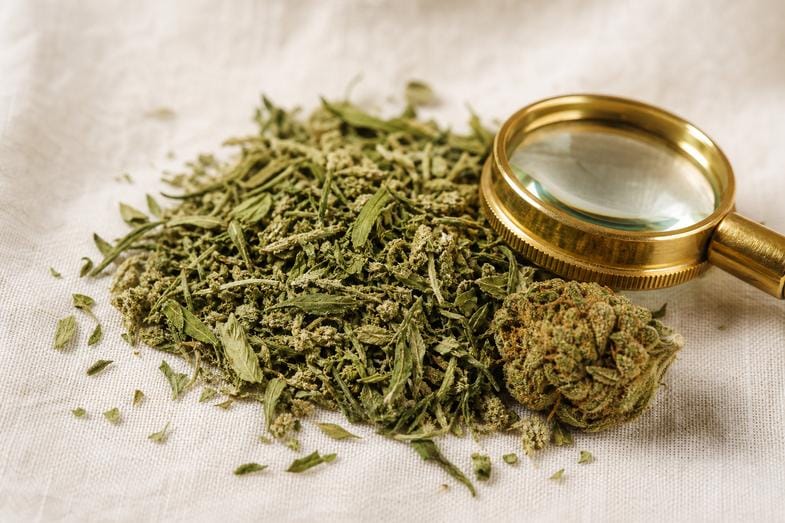
Appearance is where the description becomes concrete. Cannabis trim typically reads as loose, leafy material in green tones, lighter and less dense than a whole bud, the kind of detail a reader can confirm on a product card. These are descriptive notes about how the offcut looks, not a claim of any kind.
On a label, the trim word sits beside the other entries: the product name, the named figures, the indicative figure for the CBD. It is read as one description among several, and the point is that the word should match the loose, leafy material a reader can see in the photograph rather than promising anything more.
An offcut with its own name
The habit of naming and keeping offcuts is an old trade custom. In tailoring, the small pieces left over from cutting a garment had their own name, cabbage, and were a recognised by-product of the workshop rather than mere waste. The offcut had a name precisely because it had a place and a value of its own.
A product page works on the same plain principle. Cannabis trim is the hemp workshop’s named offcut, gathered and labelled as Trim CBD rather than discarded, exactly as a tailor kept and named the cloth left on the bench. The tailor’s word turned a leftover into a known item; a product label does the same for trim, which is why it earns a page of its own.
Lot documents
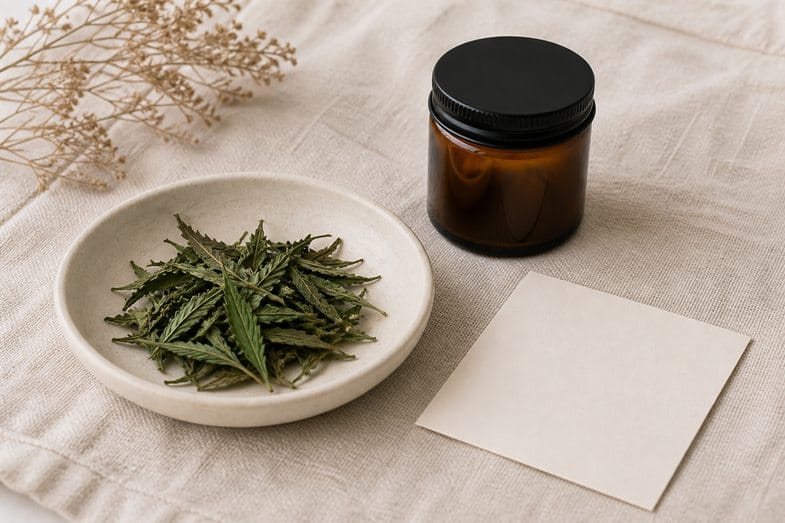
A product word only holds if the record backs it. On a product page, the trim sits beside the figures and the lot number, and the certificate of analysis confirms them for the batch. The label names; the document measures; the lot number ties the two together, so the offcut a reader sees matches the rows on the paper.
This is why a product note ends at the document. A trim label is read against the certificate, where the THC figure is checked against the 0.3 percent threshold harmonised at European level, and the CBD figure is stated as indicative. Our legal hemp note covers the framework these products sit within, and for an official overview the European Commission page on hemp sets out the wider context.
Cannabis trim on a Justbob page
On a Justbob Trim CBD page, the word does a narrow job: it names the offcut material, with the figures stated as indicative and the certificate that confirms them. Every commercialised product is analysed and each batch is checked, with the document available on the product page, so the trim a reader sees can be traced to the row that records it.
Every product is grown by selected EU hemp partners and sits inside the EU industrial hemp framework, with THC kept at or below the 0.3 percent threshold harmonised at European level. Each one is offered for technical, scientific and ornamental purposes only. Read this way, on a Justbob page what is cannabis trim is answered by a named offcut, backed by a document.
Frequently asked questions about cannabis trim
What is cannabis trim?
Cannabis trim is the leafy offcut material separated from hemp flower during manicuring, drawn from Cannabis sativa L. grown as an agricultural crop. The word names a by-product with its own value, gathered as the Trim CBD product family and offered for technical, scientific and ornamental purposes. It is read against the product card and the certificate of analysis for the lot, where the THC figure is checked against the 0.3 percent threshold. The offcut can then be confirmed beside the measured figures rather than taken on the label alone.
Is this a cultivation guide?
No. This is a product-vocabulary guide that describes what the offcut is and how it sits on a label. It stays on appearance, product-card wording and the lot document, and it deliberately leaves anything about growing to one side. The page reads trim as a product to be checked, not as a how-to, which keeps the topic on what a reader can see and confirm.
Why check lot documents?
Because a product word is only as solid as the record behind it. The label names the trim and records the indicative CBD figure; the certificate of analysis measures the contents, including the THC reading checked against the 0.3 percent threshold for the lot. Following the lot number from the label to the document is how a reader keeps the description tied to something measured rather than to a label on its own.