Modified on: 25/07/2026
The small print has a practical job
CBD flower label warnings are the unflashy lines that keep a product page honest. They are the standard notices a hemp label carries: what the product is for, who it is for, and how it should be handled, set in small print that does a plain, practical job. This guide reads those lines as product wording, beside the figures and the document, and it leaves any advice firmly to one side, because the warnings describe the product, not a person.
-
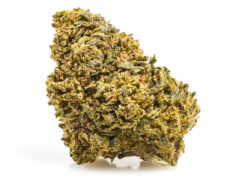
 Max CBDAMNESIA CBD BOOST
Glasshouse | CBD<40%
Starting from:FLASH SALE -10%
0,85 €0,75 €/gGrams5 10 20 50 100 200 400 -
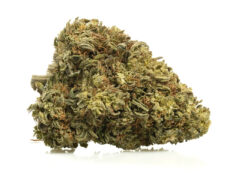
Max CBDAK47 CBD BOOSTStarting from: 1,45 €/g
Indoor | CBD<47%
Grams5 10 20 50 100 200 -
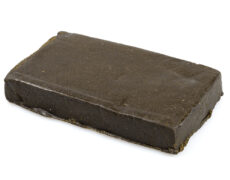
Max CBDCHARASStarting from: 0,90 €/g
CBD HASH | CBD<45%
Grams5 10 20 50 100 200 -
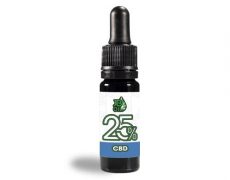
JB OIL 25%Starting from: 14,90 €
CBD Oil 25%
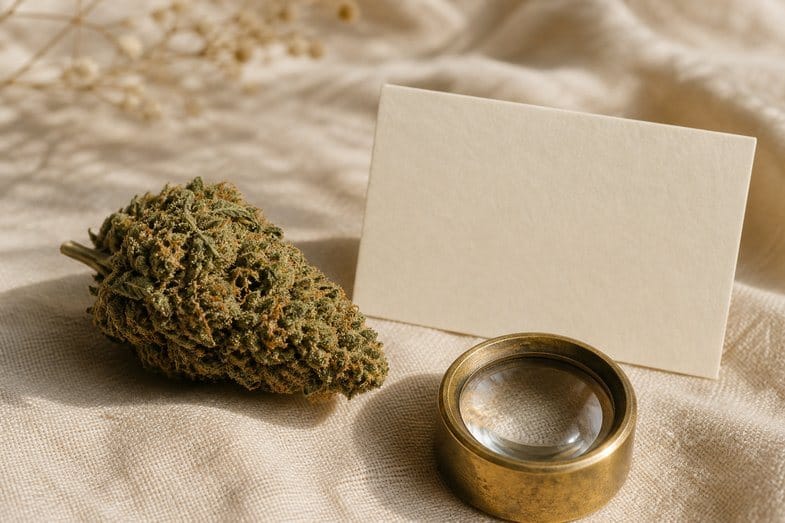
Picture a label under a close light, where the small lines reward a slow read. A careful reader gives this part of the page a second look, because the small print is exactly where a product states what it is and how it is offered.
What CBD flower label warnings cover
CBD flower label warnings are the standard notices on a hemp flower label, for a product drawn from Cannabis sativa L. grown as an agricultural crop. They cover the purpose the product is sold for, an age notice, and basic handling lines, set beside the product name and the indicative CBD figure. None of this is a claim or advice: each notice is descriptive wording, offered for technical, scientific and ornamental products.
The CBD figure beside those notices is not a promise either. It records the maximum value reached in the laboratory for that genetics, so a real bud may read a little under it. Because of this, the warnings stay tied to the CBD flower page where the products and their figures are listed.
Product wording
The product wording is where the warnings begin. A clear label names the product, places it in its category, and states the indicative CBD figure, with the standard notices kept visible rather than buried. Three things, then, sit together at the top of a label: the name, the category, and the percentage.
A notice is only as useful as it is legible, which is why placement matters as much as wording. A label that keeps its lines in plain sight is easier to trust than one that tucks them into a back corner or a tiny footer. The page works best when the warnings sit openly beside the figures and the document.
Read also: Legal sativa hemp: everything you need to know about it
Technical purpose and age cues
The warnings state the purpose plainly. On a compliant hemp label the standard notices read close to this, word for word:
- Product sold for technical, scientific and ornamental purposes
- Not suitable for combustion
- Do not ingest the product
- Keep out of the reach of children
- 18+ (sale prohibited to minors)
Each of those five lines names one fact: the purpose, two handling cautions, the storage note, and the age limit. Set side by side, they frame what the flower is offered for and how it should be handled, and they sit beside the indicative figure as part of an honest page. None of them tells anyone to do anything with the product; together they say what makes a label clear.
Why fine print earns its place
The idea that small print does serious work is an old, practical one. The marine insurance policies written at Lloyd’s of London from the late seventeenth century filled their margins with dense small print, because those plain clauses set out exactly what was covered and what was not. The fine print was not decoration; it was the part that made the agreement clear.
A product page works on the same plain principle. CBD flower label warnings are the page’s fine print, the small lines that state what the product is and how it is offered. The insurers used those clauses to remove doubt about an agreement; a hemp label uses its notices to remove doubt about a product, which is why the unflashy lines repay a careful read.
Read also: Hemp biomass: meaning of the term and uses
Batch documents
A warning line sits beside a record. On a product page, the label carries the notices and the figures, and the certificate of analysis confirms the figures for the lot. The label names and notices; the document measures; the batch number ties the two together, so the product a reader sees matches the rows on the paper.
This is why reading the warnings leads to the document. A label is read against the certificate, where the THC figure is checked against the 0.3 percent threshold harmonised at European level, and the CBD figure is stated as indicative. Our legal hemp note covers the framework these products sit within, and for an official overview the European Commission page on hemp sets out the wider context.
CBD flower label warnings on a Justbob page
On a Justbob CBD flower page, the warnings do a narrow job: the standard notices, the named figures stated as indicative, and the certificate that confirms them. Every commercialised product is analysed and each batch is checked, with the document available on the product page, so each line a reader checks can be traced to the row that records it.
Every product is grown by selected EU hemp partners and sits inside the EU industrial hemp framework, with THC kept at or below the 0.3 percent threshold harmonised at European level. Each one is offered for technical, scientific and ornamental purposes only. Taken together, on a Justbob page these label warnings are simply the honest lines that describe a product.
Frequently asked questions about CBD flower label warnings
What CBD flower label warnings matter?
The standard ones. A CBD flower label is for a product drawn from Cannabis sativa L. grown as an agricultural crop. It notes that the product is sold for technical, scientific and ornamental purposes. It also carries the standard restricted-purpose handling lines, notes that it should be kept out of reach of children, and marks it as an 18-plus product. These are descriptive label lines read beside the indicative CBD figure and the certificate of analysis, where the THC is checked against the 0.3 percent threshold, so the warnings sit beside a record, not on their own.
Where should documents be checked?
On the product page. The label carries the warnings and the figures; the certificate of analysis measures the contents for the lot, including the THC reading checked against the 0.3 percent threshold and the CBD stated as indicative. A batch number on the label that matches the certificate lets a reader confirm the page, not simply trust it, which is how the warnings stay tied to a measured record.
Does this page give advice?
No. This page reads the label warnings as product wording, not as advice about any person. The warnings describe what the product is sold for and how it should be handled, and the page deliberately leaves anything beyond the product to one side. It stays on the label, the figures and the document, which is where product warnings belong.