Modified on: 29/07/2026
A field-by-field reading of oil documents
A CBD oil certificate of analysis can look like a wall of acronyms and numbers, until you give each box a job. A COA is simply the lab’s record for a batch, and every field on it answers one plain question. This guide reads a CBD oil COA field by field, so the sample lines, the batch details and the profile figures each make sense on their own. The Justbob view here is document literacy: read the boxes, match them to the label, and stop there.
-
 Max CBDAMNESIA CBD BOOST
Glasshouse | CBD<40%
Starting from:FLASH SALE -10%
0,85 €0,75 €/gGrams5 10 20 50 100 200 400 -
Max CBDAK47 CBD BOOSTStarting from: 1,45 €/g
Indoor | CBD<47%
Grams5 10 20 50 100 200 -
Max CBDCHARASStarting from: 0,90 €/g
CBD HASH | CBD<45%
Grams5 10 20 50 100 200 -
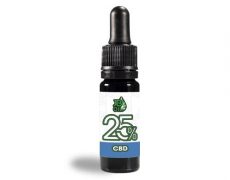
JB OIL 25%Starting from: 14,90 €
CBD Oil 25%
The trick is to read the document as a form, not a verdict. Each field has a narrow job, and once you know what that job is, a COA reads like a labelled report card rather than a puzzle.
What a COA actually is
A certificate of analysis, or COA, is the report a laboratory produces after testing a specific batch of product. It records what was measured, on which sample, on what date and by which lab. The key word is specific: a COA belongs to one batch, not to a brand in general.
Reading it field by field beats skimming. Each box is a separate fact, and the value of the document is that those facts are written down by someone independent, rather than asserted on a label.
Sample and batch identity fields
The identity fields say what was tested. A sample or product name ties the report to a specific oil; a batch or lot number ties it to one production run; and a date records when the test was done. Together these three answer a single question: which exact batch does this document describe?
This is why a COA is only useful next to a matching label. The batch number on the bottle should appear on the certificate, linking the two. When the numbers line up, the report and the product belong together.
The cannabinoid and contaminant fields
The measured fields are the heart of the document. The cannabinoid profile lists the CBD figure and, importantly, the THC reading against the 0.3 percent threshold harmonised at European level, alongside any other cannabinoids present. A spectrum word, full or broad, often sits nearby to describe the range.
A separate group records the contaminant screens. These are the checks for pesticides, heavy metals and residual solvents, usually shown as a result against a limit, or simply as not detected. Each is its own field with its own line.

Read also: CBD Oil Bottle Sizes: How To Read Labels
Where certificates of content came from
Certifying the content of something by an independent hand is an old idea. In England, hallmarking began around 1300, when goldsmiths’ work had to be assayed and stamped at Goldsmiths’ Hall in London before sale, proving its precious-metal content. The stamp, the original hallmark, was a content certificate you could read at a glance.
A modern COA is the same idea with more decimal places. An independent lab measures a batch and records the result, so the reader sees a tested figure rather than a claim. Seven centuries apart, both answer one question: what is actually in this?
Matching the COA to the label
A COA does its real work when it is laid next to the label. The CBD oil listings keep the certificate with the product, so the batch number, the CBD figure and the THC reading can be checked from label to document in a moment.
If you prefer a short, ordered way to run that check, our guide on CBD Oil Certificate Checklist: What To Read turns the same fields into a quick checklist.

Read also: What is CBD Oil?
What the fields cannot say
A COA has clear edges. It records what is in a batch, but it says nothing about how a product should be used, and nothing about outcomes of any kind. Those questions sit outside what a content document covers.
So the fields describe the batch, and that is the whole of their job. They confirm identity and content, measured independently, and they leave everything else to other kinds of writing. The document answers what is in this lot, not what anyone should do next.
The Justbob COA on a page
At Justbob, every commercialised oil is analysed and each batch is tested, with the certificate of analysis stored inside the relevant product page. A reader can open the COA and read its fields against the label for that exact lot, all from the listing.
Every CBD oil sits inside the EU industrial hemp framework, with THC kept at or below the 0.3 percent threshold harmonised at European level, and the products are offered for technical, scientific and ornamental purposes only. The COA is read as what it is: an independent record of one batch. For the public reference point behind CBD product claims, the Food Standards Agency CBD guidance sets out the regulator’s expectations, independent of any single brand.
Frequently asked questions about cbd oil coa fields
What are CBD oil COA fields?
CBD oil COA fields are the individual boxes on a certificate of analysis, each recording one fact about a tested batch. They include identity fields (sample name, batch or lot number and date), the cannabinoid profile (the CBD figure and the THC reading against the 0.3 percent threshold) and the contaminant screens (pesticides, heavy metals and residual solvents). Read field by field, the document becomes a labelled record rather than a wall of numbers.
Is a COA the same as a label?
No. A label is the short summary printed on the product; a COA is the independent lab report behind it. The label states figures like the CBD content and batch number, while the COA records the measured results for that batch, field by field. They are meant to match: the batch number on the label should appear on the certificate, linking the two.
Where are Justbob documents found?
On the Justbob catalog, every commercialised product is analysed and each batch is tested, with the certificate of analysis kept inside the product page. A reader can open it from the listing to read the COA fields, the CBD figure, the THC reading against the 0.3 percent threshold harmonised at European level and the batch identity, against the label.