
Modified on: 15/06/2026
Useful terms for a clear hemp glossary
A cannabis culture glossary works best when it feels like a friendly index card box: open it, find the word, read a plain definition, move on. The world around hemp has its own vocabulary, and a lot of it turns up on product pages, in history books and in casual conversation. This Justbob guide gathers the safe, useful terms in one place, the words for the plant, the product page and the wider culture, and keeps the definitions clear and neutral. It is a glossary of words for reading labels, plant notes and cultural references.
-
 Max CBDAMNESIA CBD BOOST
Glasshouse | CBD<40%
Starting from:SUMMER SALE - 10%
0,85€0,75€/gGrams5 10 20 50 100 200 400 -
Max CBDAK47 CBD BOOSTStarting from: 1,45€/g
Indoor | CBD<47%
Grams5 10 20 50 100 200 -
Max CBDCHARASStarting from: 0,90€/g
CBD HASH | CBD<45%
Grams5 10 20 50 100 200 -
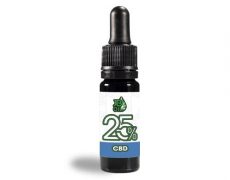
JB OIL 25%Starting from: 14,90€
CBD Oil 25%
Think of it as a quick reference. Spend a few minutes here and you can meet most hemp-related words with a clear sense of what they actually mean.
What a cannabis culture glossary means
A cannabis culture glossary is simply a curated list of terms that a reader is likely to encounter around hemp and CBD. Some are botanical, some come from product labels, and some are historical or cultural. The point of gathering them is to make the language readable rather than intimidating.
For what it’s worth, a good glossary stays descriptive. It explains what a word means and where you might meet it, without drifting into territory the product pages avoid. A definition should leave you better at reading, not nudge you toward anything.
Plant and hemp terms
The botanical words are the backbone of the vocabulary. A short core set covers most pages:
- Hemp: the common name for Cannabis sativa L. grown as an industrial crop, with THC kept at or below the 0.3 percent threshold harmonised at European level.
- Cannabinoid: a class of compounds naturally present in the plant, with CBD as the most cited example.
- Terpene: an aromatic compound that shapes how a hemp variety smells.
- Trichome: the tiny resin-bearing structure on the flower, often described when talking about appearance.
- Inflorescence: the botanical word for the flowering cluster, the part most people call the bud.
These are the terms that recur once you start reading flower pages closely, and they stay purely descriptive.
Product-page vocabulary
A second cluster comes straight from listings and labels. These are the words that tie a product to its paperwork:
- Registered variety: the catalogue entry that names the genetic baseline of a hemp plant.
- Certificate of analysis (COA): the laboratory document behind a lot, carrying the cannabinoid figures.
- Batch number: the code that ties a specific jar or bottle to its document.
- CBD percentage: the headline cannabinoid figure shown on a label.
For a deeper pass on the flower side of this vocabulary, the CBD flower category is where most of these terms appear in context, listing by listing.
Read also: Hemp Flower Glossary: Clear Product Terms
Where these words come from
Many of these words have travelled a long way. The term cannabis comes through Latin from the ancient Greek kannabis, while hemp descends from an Old English word, hænep, with cousins across the older Germanic languages. The two words have named the same plant family for centuries, arriving by different routes.
That history is a reminder that vocabulary shifts over time. A word can carry old meanings, regional senses and modern product senses all at once, which is exactly why a plain glossary is handy. Knowing where a term comes from makes its current meaning easier to read.
History and culture terms
Beyond botany and labels, hemp carries a cultural vocabulary: words from textile history, from farming, from art and from trade. These terms are worth knowing because they show up in articles and museum captions, not because they touch the product itself.
A neighbouring reference on the product-language side is our guide on CBD Flower Terminology: A Clear Hemp Glossary, which focuses on the words a reader meets directly on a flower listing. Read together with the cultural terms here, it covers both the page and the wider story.

Read also: Cannabis In Art History: Symbols And Botany
What this glossary avoids
A safe glossary is partly defined by what it leaves out. This one stays on plant, label and culture vocabulary. The terms that belong to a different sort of page are left out, by design.
So the scope here is deliberately narrow. The terms here describe the plant, the product page and the cultural history. They are vocabulary for reading, not a guide to anything beyond the words themselves.
Where the glossary meets the shop
Justbob analyses every commercialised product and every batch. The documents are held inside each commercialised product page, so the product-page terms in this glossary (variety, certificate of analysis, batch number) lead to something concrete rather than staying abstract.
Every flower listing sits inside the EU industrial hemp framework, produced by EU producers from registered hemp varieties, with THC kept at or below the 0.3 percent threshold harmonised at European level. Hemp flower is offered for technical, scientific and ornamental purposes only. The glossary is a reading aid within that frame, not a description of use.
Using this glossary well
The useful habit with a glossary is small: meet a word, check the definition, then read on with that word in place. A glossary is not meant to be read cover to cover; it is meant to be dipped into when a term stops you. Used that way, the vocabulary around hemp becomes a help rather than a hurdle.
For official background on how hemp is defined in agriculture, the European Commission page on hemp is a neutral reference held outside the catalog, so the regulatory framing stays separate from any single term.
Frequently asked questions about cannabis culture glossary
What is a cannabis culture glossary?
A cannabis culture glossary is a curated list of terms a reader is likely to meet around hemp and CBD, with plain definitions. It gathers botanical words (such as cannabinoid, terpene and inflorescence), product-page words (such as registered variety, certificate of analysis and batch number) and historical or cultural terms. The point is to make the language readable and neutral, so a word stops being a hurdle when it appears on a page.
What does this glossary leave out?
This glossary stays on vocabulary for the plant, the product page and the wider culture. It deliberately leaves out any terms that fall outside that scope, because those belong to a different sort of page. The definitions here are for reading, not for guiding anything beyond the words themselves.
Why link culture terms to documents?
Because several glossary terms are not abstract: registered variety, certificate of analysis and batch number all point to real paperwork. On the Justbob catalog, the relevant documents sit inside each commercialised product page, so a reader who meets one of those terms can see exactly what it refers to rather than treating it as jargon.