
Modified on: 17/09/2026
A citrus note, not a promise
Limonene terpene is one of those terms that behaves better when it stays in the aroma drawer. On a hemp product page it is a scent word, a way of naming the citrus side of how a flower smells, and nothing more. This guide reads limonene as aroma vocabulary, set beside the figures, the labels and the document, and it leaves anything past the description of smell firmly to one side.
-
 Max CBDAMNESIA CBD BOOSTStarting from: 0,85 €/g
Glasshouse | CBD<40%
Grams5 10 20 50 100 200 400 -
Max CBDAK47 CBD BOOST
Indoor | CBD<47%
Starting from:HALLOWEEN SALE -10%
1,45 €1,30 €/gGrams5 10 20 50 100 200 -
Max CBDCHARAS
CBD HASH | CBD<45%
Starting from:HALLOWEEN SALE -10%
0,90 €0,80 €/gGrams5 10 20 50 100 200 -
JB OIL 25%Starting from: 14,90 €
CBD Oil 25%
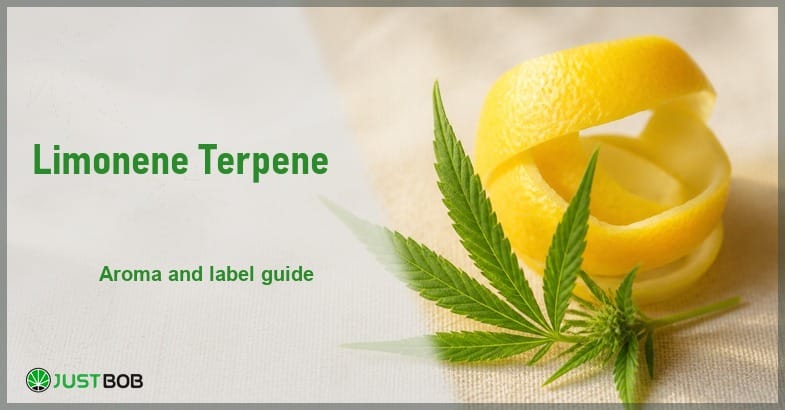
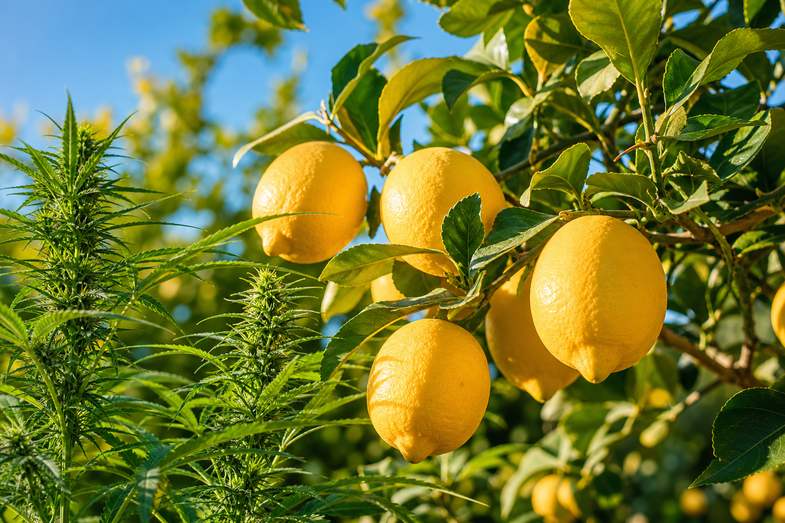
Picture a curl of lemon peel on a desk beside a hemp sprig, named for how it smells rather than for anything it might do. That is the honest setting for the topic. Scent words can be charming without making big promises, and limonene is most useful when it is read as one of those words, a plain note in the aroma line.
What limonene terpene means
Limonene terpene is the name of a citrus-leaning aroma note, one of the terpenes that give hemp flowers, drawn from Cannabis sativa L. grown as an agricultural crop, their scent. On a product page it sits in the aroma wording, alongside notes such as pine, earthy or floral, as a description of how a flower smells. Read plainly, limonene is a scent vocabulary word, not a figure and not a claim, for technical, scientific and ornamental products.
Kept at that level, the term stays steady. Limonene names a citrus note; it does not measure anything and it does not promise anything. The job of this guide is to keep the word in the aroma line, where it belongs, and to read it beside the rest of the page.
Aroma vocabulary
Aroma vocabulary is where limonene does its work. A product card may describe a flower’s scent in plain terms, citrus, lemon, bright, fresh, and limonene is the word for the citrus end of that range. These are aroma notes, read as a way of naming smell rather than anything beyond how it smells, and they sit beside the figures as part of the description.
Read across a page, the aroma wording becomes a fair point of comparison. One flower’s citrus note set beside another’s earthy note is a plain difference a reader can register, no louder than the figures. The vocabulary is most useful when limonene is read as a description of smell, lined up with the other fields rather than taken as a headline.
Read also: The role of terpenes in the cannabis plant.
Where the word limonene comes from
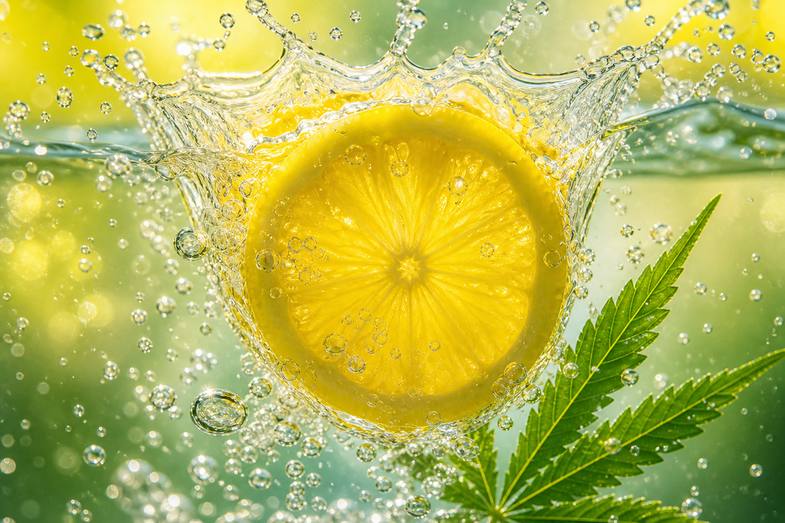
The name itself keeps limonene honest. It comes straight from limon, the word for lemon, and it was given to the compound that makes up most of the fragrant oil in citrus peel. Squeeze a lemon rind near a candle and the bright scent that lifts off it is largely this compound, which is why chemists borrowed the fruit’s own name for it.
A hemp product page works on the same plain principle. Limonene terpene is borrowed for the citrus side of a flower’s aroma, named after the fruit it most resembles in scent. The lemon gave the compound its name by smell alone; a product card uses limonene the same way, as a scent word that points at a citrus note rather than at anything past the description.
Product page context
On a product page, limonene sits in context rather than alone. It is one note in the aroma wording, beside the product name, the indicative CBD figure and the category, on a page such as the CBD flower listing. Read in that setting, the citrus note is part of the description, not the point of it, and it earns its place by being plain.
Read this way, limonene stays useful. The aroma wording describes; the figures record; the document confirms.
A glossary of terpene names can also help readers understand how individual aroma terms fit into the wider vocabulary used to describe hemp flower.
A citrus note named clearly helps a reader picture the scent, while the same note dressed up as a promise would only pull the page off course.
Labels and documents
An aroma note only holds its place if the rest of the page is recorded. On a product page, the named fields sit beside the figures and the lot number, and the certificate of analysis confirms them for the batch. The aroma wording names the scent; the document measures the contents; the lot number ties the two together, so the flower a reader pictures matches the rows on the paper.
This is why a scent word ends near a document. The aroma sits beside the figures, where the THC reading is checked against the 0.3 percent threshold harmonised at European level, and the CBD figure is stated as indicative. For an official overview of the framework these products sit within, the European Commission page on hemp sets out the wider context.
Limonene terpene on a Justbob page
On a Justbob page, limonene has an easy job: a citrus note in the aroma line, beside named figures stated as indicative and the certificate that confirms them. Every commercialised product is analysed and each batch is checked, with the document available on the product page, so the scent a reader reads sits next to a record that can be traced to its row.
Every product is grown by selected EU hemp partners and sits inside the EU industrial hemp framework, with THC kept at or below the 0.3 percent threshold harmonised at European level. Each one is offered for technical, scientific and ornamental purposes only. Read this way, on a Justbob page limonene terpene is simply a citrus note in the aroma wording, anchored by a document.
Frequently asked questions about limonene terpene
What is limonene terpene?
A citrus aroma note. Limonene is one of the terpenes that give hemp flowers, drawn from Cannabis sativa L. grown as an agricultural crop, their scent, and it names the citrus end of that aroma. On a product page it sits in the aroma wording beside notes such as pine, earthy or floral, as a description of how a flower smells. Read this way, limonene is scent vocabulary, set next to the indicative CBD figure and the THC reading checked against the 0.3 percent threshold, not a figure or a claim of its own.
Is limonene a cannabinoid?
No. Limonene is a terpene, an aroma compound, not a cannabinoid such as CBD. Terpenes name how a flower smells; cannabinoids are the separate compounds recorded as figures on the page and measured on the certificate of analysis. Reading limonene as a scent word, and keeping it apart from the cannabinoid figures, is what keeps a product page plain and accurate.
Where do labels fit?
Beside the aroma note. The label names the flower and records the indicative CBD figure; the certificate measures the contents for the batch, including the THC reading checked against the 0.3 percent threshold. A lot number that matches the certificate lets a reader tie the citrus note to a recorded product rather than to a slogan, which keeps the aroma wording anchored to a document.