
Modified on: 30/07/2026
Careful wording keeps the page useful
Hemp product policy wording is the careful language that keeps a product page, its labels and its documents saying the same thing. It is not a grand statement; it is the plain phrasing that makes a page easy to read and easy to check. This guide stays on that wording: how a page describes a product, how the label echoes it, and how both line up with the certificate, because careful language is what keeps the whole page honest and useful.
-
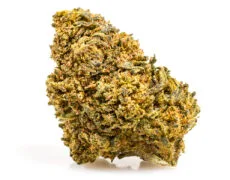
 Max CBDAMNESIA CBD BOOSTStarting from: 0,85€/g
Glasshouse | CBD<40%
Grams5 10 20 50 100 200 400 -
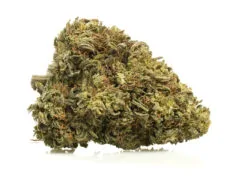
Max CBDAK47 CBD BOOSTStarting from: 1,45€/g
Indoor | CBD<47%
Grams5 10 20 50 100 200 -
Max CBDCHARAS
CBD HASH | CBD<45%
Starting from:FLASH SALE -10%
0,90€0,80€/gGrams5 10 20 50 100 200 -
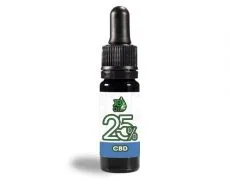
JB OIL 25%Starting from: 14,90€
CBD Oil 25%

Picture a product page where every line agrees with the next: the description, the label and the document all using the same plain terms. That discipline of language is the whole of it. When the words are careful and consistent, a reader can move from page to label to certificate without ever being tripped up by a change of meaning.
What hemp product policy wording covers
Hemp product policy wording covers the language a page uses to describe a product clearly and consistently: the plant terms, the figures, the references to documents, all phrased so they match across the page. It is about wording, not advice. The aim is alignment, so that what the description says, the label shows and the certificate records are all in agreement.
Kept at that level, the subject is practical. Good wording is mostly an act of restraint: saying what can be supported, in the same terms throughout, and pointing to the document for the rest. It is the habit of keeping that language plain and aligned, which is what lets a reader trust the page as a whole.
Product-page language
On the page itself, careful wording means describing the product in terms that can be checked. The name, the plant words, the indicative figure and the references to a certificate are all phrased plainly, so a reader is never left guessing what a sentence means. The language stays close to what the documents can support.
That restraint is the point. A page that describes a product in plain, consistent terms is easy to read and easy to verify, because every phrase has something behind it. For the rules these descriptions sit within, our note on the CBD flower legal framework sets out the background the wording reflects.

Read also: Legal sativa hemp: everything you need to know about it
Label notes
The label is where the page wording becomes shorter and more fixed. A label carries the essential terms in a few words: the product name, the indicative figure, the batch reference. Careful policy wording means the label says the same thing as the page, only briefer, so the two never contradict each other.
Read together, the page and the label form one consistent description. When the wording is aligned, a reader can glance at the label and recognise the same terms used on the page, with nothing added and nothing changed. That consistency is the quiet work the page is really about.
A campaign for plain words
The idea that careful wording is a public good has been argued before. In 1979, Chrissie Maher launched the Plain English Campaign in Britain, even shredding confusing official forms in a public square to make the point that documents people rely on should be clear enough to act on. The argument was simple: if wording is plain, a reader can trust and use it.
Hemp product policy wording follows the same plain spirit. Language on a product page is at its best when it is clear, consistent and tied to a document, so a reader can act on it without decoding it. The campaign asked public forms to be legible; careful product wording asks the same of a page, so that what it says can always be checked.

Read also: CBD Flower Certificates: What To Read First
Batch documents
Careful wording only holds because there is a document behind it. The certificate of analysis for the batch records the measured figures: the CBD figure stated as indicative, the THC reading checked against the 0.3 percent threshold, and the other compounds measured for the lot. The page describes; the certificate records.
This is why careful wording always points back to the document. A phrase on the page is kept close to what the certificate can support, so a reader can follow any claim from the description to a measured row. The wording is at its strongest when every line on the page has a document it can be checked against.
The limits of the wording
It is worth being plain about the scope. Hemp product policy wording, read this way, stays on the language of a page, its labels and its documents. It is about keeping descriptions clear, consistent and tied to records, and it leaves anything beyond the wording and the documents to one side. Those other questions sit outside a page-language guide.
So the wording is read for exactly what it is: plain language, kept close to a document. For an official overview of how CBD products are handled, the Food Standards Agency CBD guidance sets out the wider context the wording sits within.
Policy wording on a Justbob page
On a CBD flower page, the wording does a narrow job: a clear description, a label that matches it, and a certificate that supports both. Every commercialised product is analysed and each batch is checked, with the document available on the product page, so the language on the page can always be traced to a measured record.
Every product sits inside the EU industrial hemp framework, with THC kept at or below the 0.3 percent threshold harmonised at European level, and is offered for technical, scientific and ornamental purposes only. Read this way, on a Justbob page hemp product policy wording is simply plain, consistent language, kept in step with a document.
Frequently asked questions about hemp product policy wording
What is hemp product policy wording?
It is the careful, consistent language a product page uses to describe a hemp product, so that the description, the label and the certificate all say the same thing. It covers the plant terms, the figures and the references to documents, phrased plainly and kept aligned across the page. The aim is wording that a reader can check, with each line kept close to the certificate of analysis for the batch rather than standing on its own.
Does this page give guidance beyond the wording?
No. It stays on the language of the page, the labels and the documents, and how to keep them consistent. It does not offer guidance of any other kind; it simply describes how careful wording keeps a page clear and tied to its records. Anything beyond the language and the documents sits outside the page, which keeps the focus on words that can be checked.
Why keep wording close to documents?
Because language is only as reliable as the record behind it. A description on the page is kept close to what the certificate of analysis can support, so a reader can follow any phrase to a measured row, including the THC reading checked against the 0.3 percent threshold. Keeping the wording tied to the document is how a page stays trustworthy rather than becoming a set of unsupported phrases.