Modified on: 29/07/2026
Profile vocabulary that belongs beside documents
Hemp cannabinoid profile terms are the small document words that make a product page less foggy. They are the labels for the rows, figures and descriptors that make up the cannabinoid profile on a certificate or a listing. This guide is a glossary of those words. It explains what a profile row is, what the percentages and spectrum words mean, and how the whole block ties back to a batch, all kept firmly on the document and off any other subject.
-
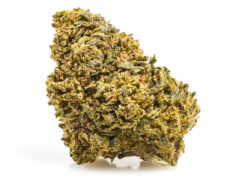
 Max CBDAMNESIA CBD BOOST
Glasshouse | CBD<40%
Starting from:FLASH SALE -10%
0,85 €0,75 €/gGrams5 10 20 50 100 200 400 -
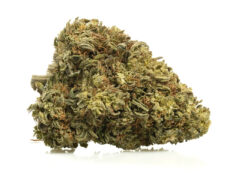
Max CBDAK47 CBD BOOSTStarting from: 1,45 €/g
Indoor | CBD<47%
Grams5 10 20 50 100 200 -
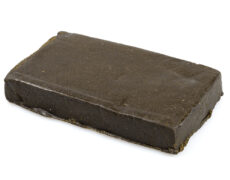
Max CBDCHARASStarting from: 0,90 €/g
CBD HASH | CBD<45%
Grams5 10 20 50 100 200 -
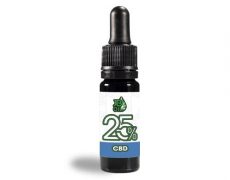
JB OIL 25%Starting from: 14,90 €
CBD Oil 25%
Think of a small card laid out like a spreadsheet, a short stack of rows, each with a name on the left and a figure on the right. Those tiny rows do quiet, useful work: they turn a vague impression of a product into a set of named, checkable entries. The profile terms are simply the words for reading that card.
What hemp cannabinoid profile terms means
Hemp cannabinoid profile terms are the vocabulary used to describe a product’s cannabinoid profile on its documents and label. The phrase covers the words for the rows, the figures and the descriptors, not a broad account of cannabinoids in general. It is document language, scoped to one block on a page.
This page stays at that level on purpose. It is not a hub for the compounds themselves, and it does not range across the plant; it defines the small set of terms a reader meets when looking at a profile, so the block becomes readable.
Profile rows
The core of the profile is the row. Each row pairs a cannabinoid name, often an abbreviation, with a figure for one batch. CBD usually leads, with others listed below it as further named rows. A reader does not have to interpret the chemistry; they read the name, read the figure, and move to the next row.
That row structure is the whole idea. The profile is a short list of named entries, each one a measured fact about the batch, arranged so it can be scanned quickly and checked against the label.

Read also: CBD vs THC: The Clear Difference In Product Language
Percentages on the profile
The figure in each row is usually a percentage. The CBD percentage is marked as indicative, the maximum value reached in the laboratory for that genetics, because a plant product naturally varies. The THC figure is read differently, as the reading against the 0.3 percent threshold harmonised at European level.
So a percentage is a measured quantity, not a grade or a promise. Reading it correctly means reading it as a number for a batch, with the indicative note kept firmly in mind for the CBD value. The figure answers one narrow question, how much of the named compound the laboratory measured, and it leaves every other question alone.
Spectrum words: full, broad, isolate
A profile is often introduced by a spectrum word, and these are pure composition descriptors. Full spectrum means the extract keeps a wide range of the plant’s natural compounds together; broad spectrum describes a range narrowed according to the product specification; and an isolate is a single compound on its own. For more on that last term, our guide to what CBD isolate is sets out the format in detail.
Read as vocabulary, these words simply say how much of the plant’s compound range a product holds. They describe composition, nothing more, and they stay inside that narrow document category: format, range and named compound rows.
Batch identity
A profile only means something when it is tied to a batch. The identity terms, a batch or lot code and a date, anchor the rows to one specific production run. Without that link, a profile is just numbers; with it, the figures belong to the exact product in front of the reader.
This is why the identity terms sit right beside the profile. They are what let a reader say that this set of rows describes this batch, and not some other one.
Read also: CBD Flower Lab Report: What It Shows and Why It Matters
A tiny spreadsheet, an old idea
Reading values in named rows is a habit the modern world took to quickly. In 1979, VisiCalc, created by Dan Bricklin and Bob Frankston for the Apple II, reached the market as the first spreadsheet program for personal computers. Its simple grid of labelled rows and figures became one of software’s most familiar layouts. A cannabinoid profile borrows that same shape.
That is why a profile feels familiar even on first sight. It is a small spreadsheet of names and numbers, and the terms in this glossary are just the headings that tell you which row is which.
What not to infer from a profile
This is the line that matters most. A profile is a set of measured figures tied to a batch, and that is all it is. It stays with the figures themselves, points back to the batch record, and should be read only as a document block with named rows, measured values and identity terms.
So a profile is read for what it is, a short table of measured facts. For the current official position on CBD, the Food Standards Agency CBD guidance is the better reference, standing beside the document rather than inside it.
Profile terms on a Justbob page
On a CBD flower page, the profile does its plain work: a spectrum word, a short stack of rows, the percentages and the batch identity, all matched against the label. Every commercialised product is analysed and each batch is checked, with the certificate of analysis kept on the page, so the profile terms always point at something a reader can open.
Every flower on a Justbob page sits inside the EU industrial hemp framework, with THC kept at or below the 0.3 percent threshold harmonised at European level. The products are offered for technical, scientific and ornamental purposes only, and the profile is read as exactly that: a small table of measured terms.
Frequently asked questions about hemp cannabinoid profile terms
What are hemp cannabinoid profile terms?
They are the document words used to describe a product’s cannabinoid profile: the names of the rows, the percentage figures, the spectrum descriptors such as full spectrum or isolate, and the batch identity that ties the block to a lot. They are document vocabulary scoped to one part of a page, not a broad account of cannabinoids in general. The point of knowing them is to read a profile block and check it against the label.
Are profile terms product claims?
No. A profile term names a row, a figure or a composition descriptor; it states a measured fact inside the document block. A percentage is a quantity, a spectrum word is a description of composition, and a batch code is an identifier. These terms stay with the profile, the label and the batch record, so the reader keeps the vocabulary in its proper place.
Why check batch identity?
Because a profile only describes the batch it is attached to. The identity terms, a lot code and a date, link the rows and figures to one specific production run, and the THC figure is read against the 0.3 percent threshold harmonised at European level for that batch. Checking the identity, and matching it to the label, is how a reader confirms that a profile belongs to the product in hand.