
Modified on: 29/07/2026
Why a bottle price needs context
CBD oil price factors are less mysterious once a reader stops looking for one magic number and starts reading the label. A price is not a verdict on a product; it is the sum of a few practical things, the size of the bottle, the figures on the label and the paperwork behind them. This guide sets those factors out plainly. It explains what actually moves a CBD oil price, and why a number on its own tells you very little until you see the format and the documents beside it.
-
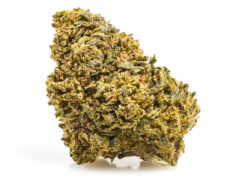
 Max CBDAMNESIA CBD BOOSTStarting from: 0,85€/g
Glasshouse | CBD<40%
Grams5 10 20 50 100 200 400 -
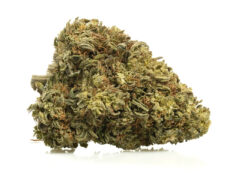
Max CBDAK47 CBD BOOSTStarting from: 1,45€/g
Indoor | CBD<47%
Grams5 10 20 50 100 200 -
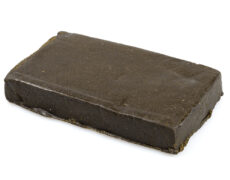
Max CBDCHARAS
CBD HASH | CBD<45%
Starting from:FLASH SALE -10%
0,90€0,80€/gGrams5 10 20 50 100 200 -
JB OIL 25%Starting from: 14,90€
CBD Oil 25%
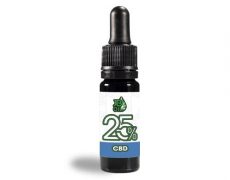
Picture a small shelf of bottles, all different sizes and prices. The prices only start to make sense when you turn each bottle around and read what is on it. Price is the last thing to look at, not the first.
What CBD oil price factors means
CBD oil price factors are the practical features of a product that a price reflects. They include how big the bottle is and how much CBD the label states. They also cover which spectrum word it carries, what the carrier oil is, and what documentation sits behind it. None of these is a claim about anything; each is a plain feature you can see on the page, written down for you to read.
Read this way, a price is descriptive, not magical. It follows from the format and the paperwork, so the useful question is never just how much, but how much for what, with which documents attached. Seen like that, comparing prices becomes comparing products, feature by feature, rather than guessing from a single figure.
Format and bottle details
The most visible factor is format. A larger bottle holds more, and a higher stated CBD figure means more of the named compound per bottle. A spectrum word describes how much of the plant’s natural range the extract keeps, while the carrier oil is part of what is in the bottle. Each of these changes the product itself, and so each can change the price that goes with it.
A common way to compare across formats is the figure for price per milligram of CBD, which simply divides the price by the stated amount. It is a comparison tool, nothing more, and it only works when the label states the amount clearly in the first place. Without that stated figure, the comparison cannot be made at all, and a price floats free of anything to anchor it.

Read also: CBD Oil Ingredients: What Is Usually Inside the Bottle
Labels and batch documents
Behind the visible label sits the paperwork, and the paperwork is itself a factor. A product analysed batch by batch, with a certificate of analysis kept on the page, carries the work of that analysis with it. For the basics of the format these documents describe, our guide on What is CBD Oil? walks through what an oil actually is.
So part of any price is documentation: the testing, the batch records and the certificate that lets the label be checked. A reader is not paying for a promise; they are paying for a product whose figures can be verified against a document. The cost of that verification is easy to overlook, but it is real, and it is part of what separates one bottle from another.
Why cheaper is not automatically clearer
This is the part worth saying plainly. A lower price is not, on its own, a sign of anything good or bad. What matters is whether the cheaper bottle still gives you the same things to read: a clear stated figure, a spectrum word, a batch code and a document to match them against.
My own view is that price only makes sense when the documents and the format are visible. A bottle with no certificate is not clearer for being cheaper; it is simply harder to read, whatever it costs. The price you can place most confidence in is the one you can set right next to its documents and check.
A short history of the price tag
The fixed price itself is a fairly modern idea. In nineteenth-century retail, Quaker shopkeepers helped normalise one-price selling before it became common. John Wanamaker opened Oak Hall in Philadelphia in 1861 with a one-price approach, and written price tags became widely associated with his larger stores in the 1870s. The same item could then cost the same for everyone, with the figure written down rather than haggled over.
That small change is why a price can be read at all today. A printed figure on a tag is a fact to be compared, the same way a figure on a label is, and both only mean something next to the details that explain them.

Read also: MCT Carrier Oil In CBD: Label Reading Guide
What price cannot prove
It is worth being clear about the limits of a price. A figure on a tag describes a cost; it does not describe what a product does, it promises no outcome, and it is not a measure of anything beyond the transaction itself. Those questions sit entirely outside a price.
So a price is read for exactly what it is, the cost of a particular format with particular documents. For an independent overview of how CBD products are framed, the Food Standards Agency CBD guidance offers a regulator’s view, separate from any catalogue.
Reading price on a Justbob page
On a CBD oil page, a price always has its context beside it: the bottle size, the stated figure, the spectrum word and the certificate of analysis. Every commercialised product is analysed and each batch is checked, with the document kept inside the product page, so a price can be read against the things that explain it.
Every oil sits inside the EU industrial hemp framework, with THC kept at or below the 0.3 percent threshold harmonised at European level. The products are offered for technical, scientific and ornamental purposes only, and a price on a Justbob page is read as exactly that: one figure among several, never on its own.
Frequently asked questions about cbd oil price factors
What affects CBD oil price?
A CBD oil price reflects practical features of the product. These include the size of the bottle, the stated amount of CBD on the label, the spectrum word and the carrier oil. They also include the packaging and the documentation behind it, such as batch-by-batch analysis and a certificate of analysis. None of these is a claim; each is a feature you can read on the page. The useful question is not just how much a bottle costs, but how much for what, with which documents attached.
Should price be read alone?
No. A price on its own tells you very little until you see the format and the documents beside it. A lower figure is not automatically a sign of anything good or bad; what matters is whether the bottle still gives you a clear stated amount, a spectrum word, a batch code and a certificate to check them against. Read the price last, after the label and the paperwork, not first.
Why do batch documents matter?
Because the document is what lets the figures on the label be verified. A certificate of analysis records the cannabinoid figures and the THC reading against the 0.3 percent threshold harmonised at European level for that batch. Part of any price is the work behind that document, and reading the certificate is how a buyer confirms what the label states rather than taking it on trust.