

Modified on: 06/08/2026
The small code that connects label and document
A CBD oil batch number is a small code with a responsible job. It looks like an afterthought printed near the bottom of a label, yet it is the thread that ties a single bottle to the laboratory document behind it. Get familiar with it and a product page becomes easier to trust, because you can line the bottle in your hand up with the paperwork that describes it. This Justbob guide explains what a batch number is, how it differs from a product name, and how to use it to match a label to a certificate. It stays on traceability, not on outcomes.
-
 Max CBDAMNESIA CBD BOOST
Glasshouse | CBD<40%
Starting from:FLASH SALE -10%
0,85€0,75€/gGrams5 10 20 50 100 200 400 -
Max CBDAK47 CBD BOOSTStarting from: 1,45€/g
Indoor | CBD<47%
Grams5 10 20 50 100 200 -
Max CBDCHARASStarting from: 0,90€/g
CBD HASH | CBD<45%
Grams5 10 20 50 100 200 -
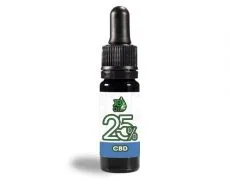
JB OIL 25%Starting from: 14,90€
CBD Oil 25%

The point is simple: find a batch number on a CBD oil label, locate the matching document, and confirm the two belong together.
What a CBD oil batch number means
A batch number (sometimes called a lot number or batch code) identifies one production run of a product. Every bottle from that run shares the same code, which is how a producer keeps track of what was made, when, and against which document. It is an identity tag, not a marketing label.
Put plainly, the useful way to read a batch number is as an index, not a feature. It does not describe the oil; it points to the records that do. That small distinction is what makes it the most dependable small detail on the bottle.
Batch number vs product name
It is easy to mix the two up, so it helps to separate them. The product name tells you what the item is (a particular CBD oil in the range). The batch number tells you which specific run that individual bottle came from. Two bottles can share a product name and still carry different batch numbers, because they were produced at different times.
That is the whole point of the code. A name groups a product; a batch number pins down a single lot inside that group. When you want to confirm the document behind your exact bottle, the batch number is the detail that does the work.
Label and document match
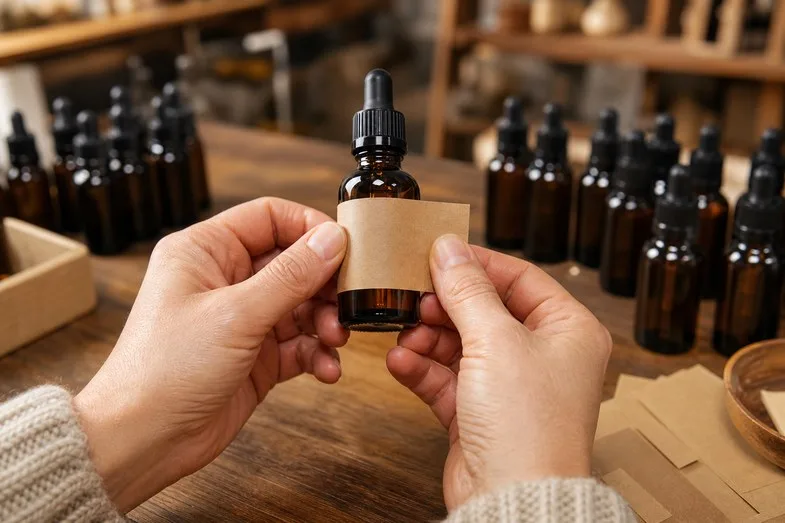
The core habit is a match. The batch number printed on the label should appear on the certificate of analysis for that lot. When the two agree, the document genuinely belongs to your bottle. When they do not, the certificate is describing a different run and cannot confirm anything about the one in front of you.
The catalog link sits at this point. The CBD oil listings each carry their own batch documents, so the match between label and certificate is meant to be quick. Find the code, find the document, check that they line up.
Read also: CBD Oil Lab Testing: What a Certificate Can Tell You
Where batch tracking began
Tracking production in numbered batches is an idea from modern manufacturing. In 1924, the physicist Walter A. Shewhart, working at Bell Telephone Laboratories in the United States, introduced the control chart and helped found statistical quality control. His insight was simple and lasting: to manage quality, you first have to know which run a given item came from.
That history gives the humble batch code a long pedigree. When a 2026 CBD oil label carries a lot number that matches a certificate, it is using a traceability habit that took shape across a century of quality control. The code is small, but the thinking behind it is well established.
Why lot checks matter
Lot-level checking matters because plant products vary between runs. Two batches of the same oil can differ slightly, which is exactly why each run carries its own document. The batch number is what lets a reader tie the right figures to the right bottle rather than to the product in general.
The ingredient side of the label works the same way. For more on what sits beside the batch code on a bottle, our guide on MCT Carrier Oil In CBD: Label Reading Guide covers the carrier-oil line that often shares that label space.

Read also: CBD Oil Ingredients: What Is Usually Inside the Bottle
What a batch number does not tell you
A batch number has clear limits. It is an identifier, so it points to documents; it does not describe a quality, a grade or an outcome. A long or official-looking code is not a quality promise, and a batch number on its own says nothing beyond which run a bottle belongs to.
So the fair takeaway stays small. The code earns its keep by connecting a bottle to its certificate. Everything else (the cannabinoid figures, the contaminant screens, the registered details) lives in the document the code points to, not in the code itself.
Where the batch document lives
Justbob analyses every commercialised product and every batch it sells. The matching documents are attached inside each product page. A reader who wants to confirm the cannabinoid breakdown or the batch identity for a specific lot can open the certificate of analysis from the same product page.
Every CBD oil listing sits inside the EU industrial hemp framework, with THC kept at or below the 0.3 percent threshold harmonised at European level, and the products are offered for technical, scientific and ornamental purposes only. Within that frame, the batch number is read as what it is: a traceability tag that connects a bottle to its document.
A one-minute traceability check
Tracing a batch takes barely a minute. Find the batch or lot code on the label. Open the certificate of analysis for that product. Confirm the code on the label matches the code on the document. Then read the cannabinoid figures and the THC reading knowing they belong to your exact run. The whole check is quick once the code is easy to spot.
For official background on how CBD products are framed for the public, the Food Standards Agency CBD guidance is a dependable neutral source, kept clear of the catalog so the regulatory context stands on its own.
Frequently asked questions about CBD oil batch number
What is a CBD oil batch number?
A CBD oil batch number (also called a lot number or batch code) is a small identifier that marks one production run of a product. Every bottle from that run shares the same code, which lets a producer connect the bottle to the laboratory document for that specific lot. It is an identity tag rather than a description, so its job is to point at the certificate of analysis that carries the cannabinoid figures and the THC reading.
Is a batch number the same as a product name?
No. The product name tells you what the item is, while the batch number tells you which specific production run an individual bottle came from. Two bottles can share the same product name and still carry different batch numbers because they were made at different times. The name groups a product; the batch number pins down a single lot inside that group.
Why does Justbob show batch documents?
Showing the laboratory document for each lot lets a reader match the batch number on the bottle to the batch number on the certificate of analysis. When the two codes agree, the cannabinoid figures and the bottle belong to the same run, which is the point of batch-level traceability. On the catalog, that document sits inside each product page.