Modified on: 17/09/2026
The label is the part that does the real work
CBD hash label notes are the part of the page that does the steady, useful work. The label carries the product wording, the standard warnings, the category and the figures, and reading it well tells a reader far more than the headline does. This guide stays on that label, on what it says and how it ties to the document, and it leaves anything beyond the product to one side, since the quiet, factual lines are usually where the useful detail sits.
-
 Max CBDAMNESIA CBD BOOST
Glasshouse | CBD<40%
Starting from:FLASH SALE -10%
0,85 €0,75 €/gGrams5 10 20 50 100 200 400 -
Max CBDAK47 CBD BOOSTStarting from: 1,45 €/g
Indoor | CBD<47%
Grams5 10 20 50 100 200 -
Max CBDCHARASStarting from: 0,90 €/g
CBD HASH | CBD<45%
Grams5 10 20 50 100 200 -
JB OIL 25%Starting from: 14,90 €
CBD Oil 25%
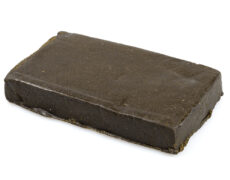
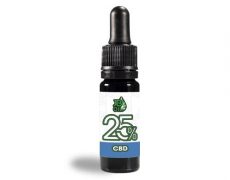
Picture a label under a close light, each short line doing one plain job of naming, warning or recording. That is the honest setting for the topic. The warnings and the lot number are the lines a careful reader slows down for, because they are exactly the parts that connect a product to its record.
What CBD hash label notes show
CBD hash label notes are the readable details a label carries for a pressed hemp resin product, drawn from Cannabis sativa L. grown as an agricultural crop. They include the product name, the standard warnings, the category and the indicative figure for the CBD. Read plainly, the label notes are description and record, not a claim of any kind, offered for technical, scientific and ornamental purposes.
Kept at that level, the topic stays steady. Each line on a label has a single role: one names the product and places it in the hash family, another records the figures, a third points to the document. The job of this page is to read those lines plainly and to keep them tied to the CBD hash page where the actual products are listed.
Product wording
The product wording is the first thing the label settles. A clear label names the item, states the category and gives the indicative CBD figure, so a reader knows what they are looking at before any other detail. The wording should match the photograph and the description, with no gap between what is shown and what is named.
Read this way, the wording is plain and checkable. A product name and a category are small, definite facts, and a label that keeps them consistent with the rest of the page is easier to read. The notes are most useful when the wording lines up with the figures and the document, since a line that stands alone is harder to trust.
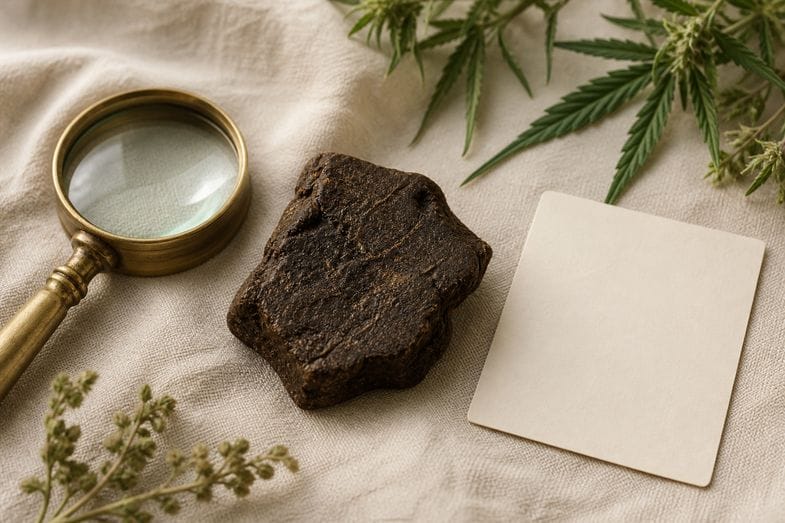
Read also: CBD Hash Texture: What Soft, Firm and Crumbly Can Mean
Warnings and categories
The warnings are the lines that earn their place. A compliant hemp label states that the product is not suitable for combustion and should be kept out of reach of children. It also states that the product is not to be ingested and is sold for technical, scientific and ornamental purposes. These are plain product warnings, read as part of the label rather than as anything more.
Category sits beside the warnings. Knowing the symbols you find on a CBD oil label can make it easier to recognise these warnings and understand the information they are meant to convey. A label that names the hash family clearly, and carries the standard warnings without burying them, is doing its job. Reading the warnings and the category together is part of reading the label honestly, because those lines describe what the product is and how it is offered.
A small label that ties an object to its record
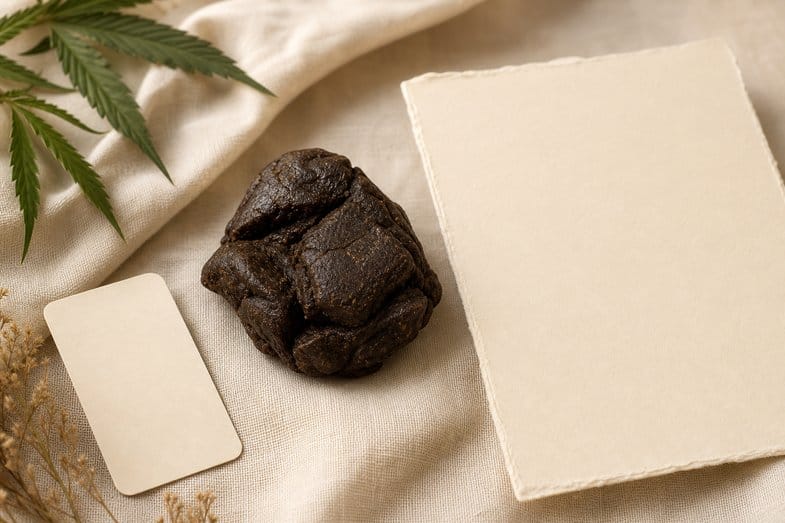
The idea that a small label carries a lot of weight is familiar from the museum world. Every object in a collection has an accession label, a plain tag with a number that ties the item to its catalogue record, and that unremarkable label is what lets a piece be found, checked and trusted long afterwards. The label is small; the record it points to is the substance.
A product page works on the same plain principle. CBD hash label notes are the accession label of the product: a few plain lines that point the item back to its certificate and lot. Where the museum tag turned an object into something traceable, a hash label does that work for the resin in front of you.
Lot documents
The lot document is where the label notes are anchored. Three records share the work, and each holds a different piece:
- The label states the product name, the category and the indicative CBD figure.
- The certificate of analysis measures the contents for the batch, including the THC reading checked against the 0.3 percent threshold harmonised at European level.
- The lot number is the shared reference that lets a reader move from one to the other.
Follow that lot number and a name on the label becomes a measured row on the document.
This is why reading the label leads to the certificate. Our legal hemp note covers the framework these products sit within, and for an official overview of hemp as an EU crop, the European Commission page on hemp is a useful public reference. Both sit outside any single label and help a reader read one in context.
CBD hash label notes on a Justbob page
On a Justbob CBD hash page, the label notes do a narrow job: a clear name and category, the standard warnings, the indicative figure and the certificate that confirms it. Every commercialised product is analysed and each batch is checked, with the document available on the product page, so each line a reader checks can be traced to the row that records it.
Every product is produced by selected EU hemp partners and sits inside the EU industrial hemp framework, with THC kept at or below the 0.3 percent threshold harmonised at European level. Each one is offered for technical, scientific and ornamental purposes only. Read this way, on a Justbob page the label notes earn their place: they are the readable lines a buyer can check against the record behind them.
Frequently asked questions about CBD hash label notes
What should CBD hash label notes show?
CBD hash label notes should show the product name and category, the standard warnings, and the indicative CBD figure, for a pressed hemp resin product drawn from Cannabis sativa L. grown as an agricultural crop. The warnings state that the product is not suitable for combustion, should be kept out of reach of children, is not to be ingested, and is sold for technical, scientific and ornamental purposes. These lines are read against the certificate of analysis for the lot, where the THC figure is checked against the 0.3 percent threshold, so the label can be confirmed and never has to be taken on its own.
Why do warnings matter?
Because the warnings are part of what the label honestly says about the product. A compliant hemp label keeps the standard lines visible rather than buried: not for combustion, out of reach of children, not to be ingested, sold for technical, scientific and ornamental purposes. Reading them is part of reading the label properly, since they describe what the product is and how it is offered, alongside the figures and the document.
Where do documents fit?
The certificate of analysis is where the label notes are anchored. The label records the product name and the indicative CBD figure; the certificate measures the contents for the lot, including the THC reading checked against the 0.3 percent threshold. Following the lot number from the label to the document is how a reader keeps the label notes tied to a measured row, so a name is never the only thing standing behind them.