Modified on: 29/09/2026
Reading the language of hemp farming
A hemp cultivation glossary should be a label for words, not a set of muddy boots instructions. Farming has its own vocabulary, and a lot of it turns up in articles, on certificates and in product descriptions, where a reader meets the words without ever setting foot in a field. This Justbob guide gathers those agricultural terms and explains them plainly, so the language of growing hemp becomes readable. It is a glossary of words, and it is not a guide to growing anything.
-
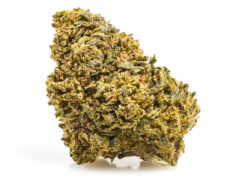
 Max CBDAMNESIA CBD BOOST
Glasshouse | CBD<40%
Starting from:FLASH SALE -10%
0,85 €0,75 €/gGrams5 10 20 50 100 200 400 -
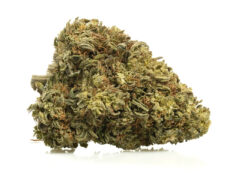
Max CBDAK47 CBD BOOSTStarting from: 1,45 €/g
Indoor | CBD<47%
Grams5 10 20 50 100 200 -
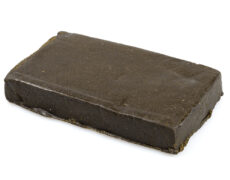
Max CBDCHARASStarting from: 0,90 €/g
CBD HASH | CBD<45%
Grams5 10 20 50 100 200 -
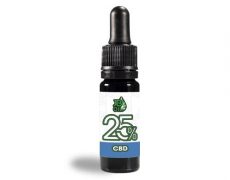
JB OIL 25%Starting from: 14,90 €
CBD Oil 25%
Read it as a plain reference for farm language. After a short read, you can meet most cultivation words and know what they describe, without being told how to do anything.
What a hemp cultivation glossary means
A hemp cultivation glossary is a curated list of agricultural terms a reader is likely to encounter around hemp farming and the products that follow it. Some describe plant stages, some describe fibre, and some connect the field to the label. The point of gathering them is to make the vocabulary readable rather than technical.
As we see it, a cultivation glossary should stop at description. It explains what a farm word means and where you might meet it, without crossing into instructions. A definition should help you read an article, not tell you how to run a crop.
Field and plant-stage terms
The lifecycle words are the core of farm vocabulary. A short set covers most of what appears in writing:
- Cultivar: a cultivated variety, named and recorded; for hemp, the EU common catalogue lists the registered varieties.
- Germination: the stage at which a seed begins to sprout.
- Vegetative stage: the leafy growth phase before flowering.
- Flowering stage: the phase when the inflorescence develops.
- Harvest: the stage at which the crop is gathered.
These are descriptive markers of a plant’s life, the words a reader meets in a farm report or a product story, with no operational detail attached.
Industrial hemp context
A second cluster describes the crop and its materials rather than its stages:
- Industrial hemp: Cannabis sativa L. grown as a crop, with THC kept at or below the 0.3 percent threshold harmonised at European level.
- Bast fibre: the long fibre from the outer part of the stalk.
- Hurd: the woody inner core of the stalk, sometimes called shiv.
- Retting: the traditional process by which fibre is loosened from the stalk.
For the products that grow from this crop, the CBD flower category is where the farm vocabulary meets the finished listing, variety by variety.
Where the word ‘cultivar’ began
Some farm words have a precise birthday. The term cultivar, a blend of cultivated and variety, was coined by the American botanist Liberty Hyde Bailey in 1923 to name a variety produced and maintained in cultivation. It gave agriculture a clean word for exactly the kind of registered variety that a hemp catalogue records today.
That history is a small reminder that farm vocabulary is built, not given. A word like cultivar was invented to make a distinction clearer, and knowing where it came from makes its modern use, on a catalogue entry or a certificate, easier to read.
Product-page vocabulary
The third cluster is where the field reaches the listing. A registered variety on a product page is the same cultivar recorded in the catalogue; the certificate of analysis carries the cannabinoid figures for that lot; the batch code ties the listing to its document. Farm words and product words meet here.
For the botany that sits behind these terms, our guide on Hemp Plant Anatomy: A Simple Botanical Guide lays out the plant parts that the cultivation vocabulary refers to, from stalk to inflorescence.
What this glossary avoids
A safe cultivation glossary is defined partly by what it leaves out. This one does not tell a reader how to grow a crop, what to feed it, or how to manage a field. Those topics belong to growers working inside their own national rules, and they sit well outside a reading reference.
So this scope stays tight by design. The terms here describe stages, materials and the link to the product page. They are vocabulary for reading farm language, not a manual for practising it.
From field words to the listing
Justbob analyses each commercialised product, batch by batch. Each commercialised product page holds the relevant documents, so the product-page terms in this glossary (registered variety, certificate of analysis, batch number) lead to something concrete rather than staying abstract.
Every flower listing sits inside the EU industrial hemp framework, produced by EU producers from registered hemp varieties, with THC kept at or below the 0.3 percent threshold harmonised at European level. Hemp flower is offered for technical, scientific and ornamental purposes only. The glossary is a reading aid within that frame, not a description of farming practice.
Keeping the glossary handy
The useful habit with a glossary is small: meet a farm word, check the definition, then read on. It is built to be dipped into when a cultivation term stops you in an article or on a certificate, not read end to end. Used that way, the language of growing hemp becomes a help rather than a hurdle.
For official background on how hemp is defined in agriculture, the European Commission page on hemp is a neutral source kept outside the catalog, so the regulatory framing stays separate from any single term.
Frequently asked questions about hemp cultivation glossary
What is a hemp cultivation glossary?
A hemp cultivation glossary is a curated list of agricultural terms a reader is likely to meet around hemp farming and the products that follow it, with plain definitions. It gathers plant-stage words (such as germination, vegetative stage and harvest), crop-and-material words (such as bast fibre, hurd and retting) and the terms that link the field to a product page (registered variety, certificate of analysis, batch number). The point is to make farm language readable.
Is this a growing guide?
No. This glossary describes agricultural vocabulary so a reader can follow it in articles, certificates and product descriptions. It does not tell anyone how to grow a crop, what to feed it or how to manage a field, because those topics sit outside a reading reference and inside the national rules that apply to growers. The definitions here are for reading, not for practising.
Why keep agricultural terms non-instructional?
Because the goal is readability, not operation. A glossary that explains what a word means helps a reader understand a catalogue entry or a certificate; a set of instructions would be a different kind of document entirely. Keeping the terms descriptive also keeps the page aligned with how the product listings are framed: information for reading, with the documents doing the confirming.