
Modified on: 10/07/2026
The document should not feel like a maze
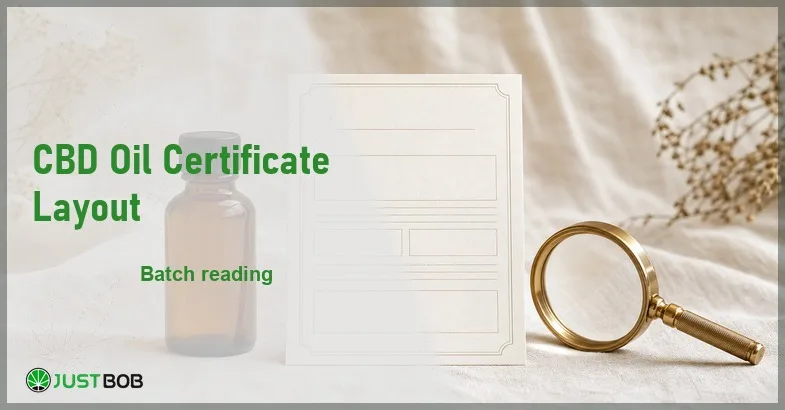
A CBD oil certificate layout is simply the shape of an analysis document: where each section sits and how to move through it. A certificate can look dense at first, yet most of it becomes easy once you know the layout, the same way a familiar form is quick to read. This guide walks through that structure, so the document reads like a map rather than a maze, and so each figure can be found where a reader expects it.
-
 Max CBDAMNESIA CBD BOOST
Glasshouse | CBD<40%
Starting from:FLASH SALE -10%
0,85 €0,75 €/gGrams5 10 20 50 100 200 400 -
Max CBDAK47 CBD BOOSTStarting from: 1,45 €/g
Indoor | CBD<47%
Grams5 10 20 50 100 200 -
Max CBDCHARASStarting from: 0,90 €/g
CBD HASH | CBD<45%
Grams5 10 20 50 100 200 -
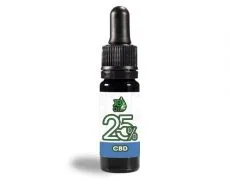
JB OIL 25%Starting from: 14,90 €
CBD Oil 25%
Picture a certificate laid flat, divided into clear blocks: who tested what, the batch it belongs to, the measured results, and the lines that confirm it. That arrangement is all there is to it. Once the blocks are familiar, the document stops being intimidating and becomes a short series of places to look.
What a CBD oil certificate layout covers
A CBD oil certificate layout covers the sections of an analysis document and the order they appear in: the heading, the sample and batch identity, the results, and the confirming details. It is about structure, not interpretation. Knowing the layout means knowing where each piece of information sits, so a reader can navigate the page rather than puzzle over it.
Kept at that level, the document is far less daunting. The layout is an outline of the certificate, showing where the batch number sits, where the figures are listed, and where the document is signed off. It makes the page predictable, which is exactly what turns a dense sheet into something a reader can use.
Document sections
Most certificates share the same blocks. There is usually a heading that names the laboratory and the document; a section that identifies the sample and its batch; a results area, often a table, listing the measured figures; and a closing section with dates and confirmation. Each block does one job, and they tend to appear in a familiar order.
Read as blocks, the certificate is straightforward. The heading tells you whose document it is, the sample section ties it to a specific lot, the results table carries the figures, and the closing lines confirm the whole. For the items to confirm within those blocks, our CBD Oil Certificate Checklist: What To Read is the companion guide, while this page stays on the shape.

Read also: CBD Oil Lab Testing: What a Certificate Can Tell You
Batch identity
The most important block to find is the batch identity. A certificate matters because it applies to a specific lot, and the batch number is the link between the document and the bottle in hand. In the layout, it usually sits near the top, in the sample section, so a reader can confirm at once that the document and the product match.
This is why the layout puts identity first. Before reading any figure, a reader checks that the batch number on the certificate matches the one on the label. If they match, the rest of the document applies to the bottle; if they do not, the figures belong to a different lot. The layout is built so that this check is easy to make.
A form you can read at a glance
A fixed layout that lets anyone find the parts is a powerful idea. In 1958, the banking industry agreed a standard for the cheque, with a machine-readable line and fixed positions for the date, the payee and the amount. Any cheque could then be read the same way by anyone who handled it: the layout did the work, and the reader did not have to hunt.
A certificate of analysis follows the same plain logic. Its sections sit where a reader expects them, so finding the batch number or the results table is a matter of knowing the form, not searching it. The cheque standard made a slip of paper instantly legible; a certificate layout makes an analysis document just as navigable, once the shape is familiar.

Read also: CBD Flower Lab Report: What It Shows and Why It Matters
Label matching
The layout earns its keep when the certificate is read beside the label. The bottle gives the headline figures and the batch reference; the certificate gives the measured rows for that lot. Knowing where the batch number and the results sit on the document makes it quick to line the two up.
So the layout is really about movement between two pages. A reader finds the batch number on the label, finds the matching number in the sample section of the certificate, then reads down to the results table. A layout that a reader knows well turns this from a chore into a glance, which is the practical value of learning the shape.
The limits of the layout
It is worth being plain about the scope. A CBD oil certificate layout describes where the sections of a document sit and how to move through them. It is about structure and navigation, it points to the figures and the batch, and it leaves anything beyond the document itself to one side. Those other questions sit outside a layout guide.
So the layout is read for exactly what it is: a map of a document, learned once. For the agricultural framework these documents sit within, Regulation (EU) 2021/2115 sets out the common catalogue and the legal category behind the figures.
Certificate layout on a Justbob page
On a CBD oil page, the layout is put to work: the certificate is available with the product, with its sample section, its results table and its batch number where a reader expects them. Every commercialised product is analysed and each batch is checked, so the document can be opened and read by its blocks, then matched to the label.
Every product sits inside the EU industrial hemp framework, with THC kept at or below the 0.3 percent threshold harmonised at European level, and is offered for technical, scientific and ornamental purposes only. Read this way, on a Justbob page a CBD oil certificate layout is simply the familiar shape that makes the document quick to read.
Frequently asked questions about cbd oil certificate layout
What is a CBD oil certificate layout?
It is the structure of an analysis document: the sections it is divided into and the order they appear in, from the heading and the sample and batch identity to the results table and the confirming lines. It is about where each piece of information sits, not about interpreting it. Knowing the layout lets a reader navigate the certificate quickly and find the batch number and the figures where they expect them, then match the document to the label.
Is this a COA checklist?
No. A checklist is a list of things to verify, while this page describes the shape of the document: which blocks it contains and where they sit. The two are companions, since knowing the layout makes a checklist faster to run, but this page stays on structure and navigation rather than on the items to confirm, which are covered separately.
Why compare certificate and label?
Because the certificate only applies to the bottle if the batch numbers match. Knowing the layout means a reader can find the batch number in the sample section of the certificate and check it against the label, then read the results for that lot. Comparing the two is how a reader confirms that the document and the product belong together rather than reading them in isolation.