
Modified on: 29/07/2026
A glossary that lowers the noise
Hemp vs cannabis terminology is mostly an exercise in calm definitions. The two words cause a lot of confusion, yet most of it clears up once each term is given a plain meaning and a place on a label. This guide reads the topic as vocabulary: what the plant words name, how product families are described, and how the labels and documents keep the terms honest, without wandering into anything the words do not cover.
-
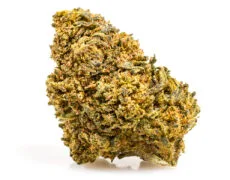
 Max CBDAMNESIA CBD BOOST
Glasshouse | CBD<40%
Starting from:FLASH SALE -10%
0,85 €0,75 €/gGrams5 10 20 50 100 200 400 -
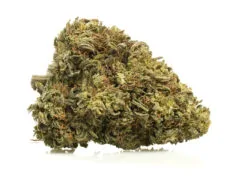
Max CBDAK47 CBD BOOSTStarting from: 1,45 €/g
Indoor | CBD<47%
Grams5 10 20 50 100 200 -
Max CBDCHARASStarting from: 0,90 €/g
CBD HASH | CBD<45%
Grams5 10 20 50 100 200 -
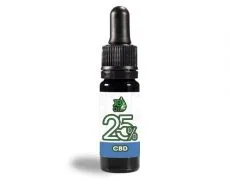
JB OIL 25%Starting from: 14,90 €
CBD Oil 25%

Picture a short glossary pinned above a desk, each word with one agreed meaning. The topic works best read like that: a handful of terms, each doing a defined job. The noise comes from using the words loosely; the fix is simply to pin each one to a clear definition and a document.
What hemp vs cannabis terminology covers
Hemp vs cannabis terminology covers the plant words, the product-family names and the label terms used to tell them apart. It is a vocabulary topic: what each word names, and how the names sit on a product page. None of it goes beyond the words themselves; the terms are definitions, not claims, and the whole point is to read them precisely.
Kept at that level, the subject becomes manageable. Cannabis is the name of the plant genus; hemp is the term for the low-THC, agricultural form grown under the legal threshold. One is a botanical name, the other a regulatory and everyday one, and most confusion comes from reading two different kinds of word as if they meant the same thing.
Plant words
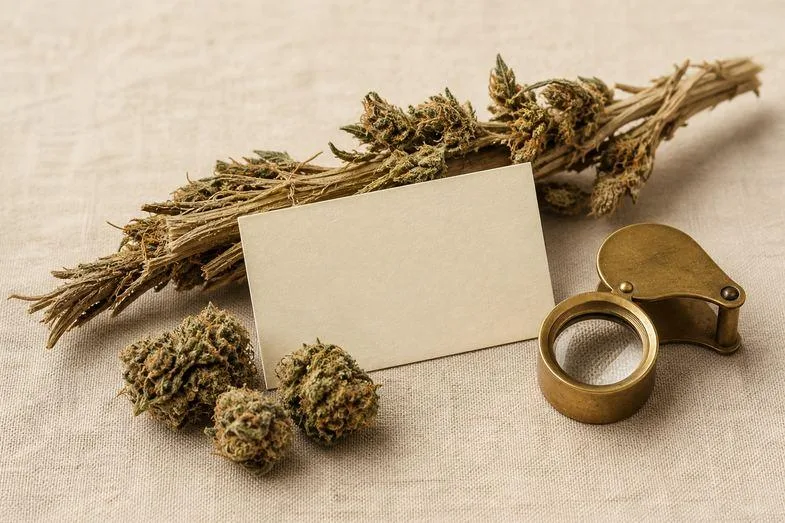
The plant words are the foundation. Cannabis sativa L. is the botanical name, the formal Latin label used in catalogues and certificates. Hemp is the common term for the cultivated, low-THC form, the plant grown as an agricultural crop within the legal framework. Both point to the same species, read at different levels of formality.
So the difference between the words is not a difference of plant so much as a difference of register. A certificate may use the Latin name; a label may say hemp; a catalogue may list a registered variety. Reading the terminology means knowing which kind of word you are looking at and what job it is doing. For the modern terms in detail, our legal hemp note sets out the framework these words sit within.
Product-family context
Beyond the plant words sit the product families. The same crop yields fibre, seed and flower, and each has its own vocabulary on a page: a flower, an extract, an oil, each named for what it is. These family terms are descriptive, not a ranking, and they help a reader place a product in the right group before reading any figures.
Read in context, the family names make the plant words clearer. When a label says hemp flower or hemp extract, it is combining a plant word with a product-family word, and the pair tells a reader what they are looking at. The vocabulary is most useful when these two layers, the plant word and the family word, are read together.
A dictionary against the noise
The idea that a fixed definition can settle an argument is an old one. In 1755, Samuel Johnson published his Dictionary of the English Language, a long effort to pin down what words meant so that a debate could be about ideas rather than about the words themselves. A shared definition, he understood, lowers the noise.
A terminology glossary does the same plain work. Agree what hemp names and what cannabis names, and most of the confusion simply drops away, because the argument was usually about the words rather than the plant. Johnson fixed meanings to settle debate; a glossary fixes the plant words to settle a label, and in both cases the discipline is the point.

Read also: Legal sativa hemp: everything you need to know about it
Labels and documents
Terminology only holds if the words are backed by records. On a product page, the plant word and the family word sit beside the figures and the batch number, and the certificate of analysis confirms them for the lot. The label names; the document measures; the batch number ties the two together.
This is why a glossary ends at the document. A word like hemp on a label is read against the certificate, where the THC figure is checked against the 0.3 percent threshold harmonised at European level, the very line that defines the term. A vocabulary that can be traced to a document is one a reader can rely on, rather than a matter of opinion.
What the page avoids
It is worth being plain about the limits. Hemp vs cannabis terminology, read this way, stays on words, families, labels and documents. It keeps to the definitions and the records, and it leaves anything beyond the vocabulary to one side. Those other questions sit entirely outside a glossary.
So the terms are read for exactly what they are: definitions, confirmed on paper. For an official overview of how CBD products are handled, the Food Standards Agency CBD guidance sets out the wider context the words sit within.
Hemp vs cannabis terminology on a Justbob page
On a CBD flower page, the terminology does a narrow job: a plant word, a family word, an indicative figure and the certificate that confirms them. Every commercialised product is analysed and each batch is checked, with the document available on the product page, so each term can be traced from the label to the row that records it.
Every product sits inside the EU industrial hemp framework, with THC kept at or below the 0.3 percent threshold harmonised at European level, and is offered for technical, scientific and ornamental purposes only. Read this way, on a Justbob page hemp vs cannabis terminology is simply a short, defined vocabulary, each word backed by a document.
Frequently asked questions about hemp vs cannabis terminology
What is hemp vs cannabis terminology?
It is the set of plant words, product-family names and label terms used to tell hemp and cannabis apart on a product page. Cannabis is the botanical name for the plant genus; hemp is the common and regulatory term for the low-THC, agricultural form grown under the legal threshold. Each term is a definition rather than a claim, read against the label and the certificate of analysis for the batch, so the words can be confirmed rather than argued about.
Does this page go beyond the words?
No. It stays on words, product families, labels and documents. The terms are taken as definitions to be read against the records, and the page deliberately leaves anything beyond the vocabulary to one side, because it sits outside a terminology glossary.
Why check product documents?
Because a term is only as solid as the record behind it. A plant word or a family word on a label is read against the certificate of analysis, where the THC figure is checked against the 0.3 percent threshold for the lot. Following a term from the label to its row on the document is how a reader confirms the vocabulary rather than trusting the label on its own.