
Modified on: 03/08/2026
A product note is not a promise
Hemp flower description notes are the short lines on a product page that say what a flower is, not what it might do for anyone. They cover appearance, a brief aroma mention, the label and the document behind it. This guide reads them as careful product-card wording, because a description note is at its best when it points to real details and stops there, leaving the promises to one side where they belong.
-
 Max CBDAMNESIA CBD BOOST
Glasshouse | CBD<40%
Starting from:FLASH SALE -10%
0,85 €0,75 €/gGrams5 10 20 50 100 200 400 -
Max CBDAK47 CBD BOOSTStarting from: 1,45 €/g
Indoor | CBD<47%
Grams5 10 20 50 100 200 -
Max CBDCHARASStarting from: 0,90 €/g
CBD HASH | CBD<45%
Grams5 10 20 50 100 200 -
JB OIL 25%Starting from: 14,90 €
CBD Oil 25%
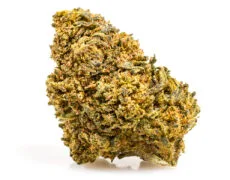
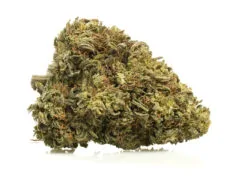
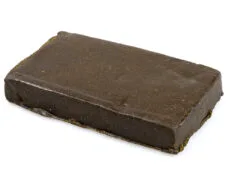
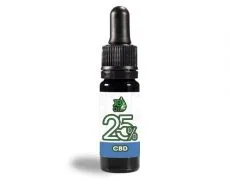
Picture a product card written like a careful catalogue entry rather than a sales pitch. The description notes name the colour, the structure and a short aroma reference, each tied to something a reader can check. Read that way, they are useful and plain. Stretched into anything warmer, they stop being notes and start being claims, which is exactly what this page keeps them away from.
What hemp flower description notes mean
Hemp flower description notes are the product-page words that describe a hemp flower as an object: its look, a short aroma mention, and the label and batch references that sit beside them. None of those words go beyond the object itself. Each one names a detail of the product as a listing, so the notes stay on the description and never drift into a promise.
Kept at that level, the notes become a careful product card. A reader meets a photograph, a few lines of text and a document reference, and the description simply helps them see the flower clearly before it arrives. It is a wording guide for a product page, and that boundary is the entire point of it.
Product-page wording
On a product page, the description notes do a plain job: they set out what a flower looks like and where its proof sits. A note might name a colour, a structure and a short aroma reference, and those few details together let a reader picture the flower accurately. The wording stays specific, because a vague note helps nobody and an over-warm one helps even less.
This is where the description earns its place. Words like pale, dense or open are factual, and they are meant to be. They are descriptive labels for a physical flower, chosen so the note on the card matches the product a reader will receive, batch by batch. For the legal category these flowers sit in, our note on legal hemp sets out the background.
Read also: Hemp Flower Aroma Notes: A Clear Scent Vocabulary
Visual and aroma mentions
Most description notes fall into two groups: how a flower looks and a short mention of its aroma. The visual group covers colour, structure and surface, the plain words that describe a bud as an object. The aroma group is kept brief on a product card, a single reference that points to a fuller aroma vocabulary rather than a long sensory passage.
That restraint is deliberate. A description note mentions aroma as one detail among several, not as the heart of the page, and it leaves the detailed scent words to their own dedicated note. On the card, the aroma line is short and factual, a pointer rather than a paragraph, so the description stays balanced and never tips into anything warmer than a label.
A description that claims only what it knows
The idea of a description that signals exactly what is known is well established elsewhere. Fine-art auction houses use a long-standing graded vocabulary in their catalogues, where the exact words chosen to describe a piece signal precisely how much is being claimed about it, and no more. A confident form of words means one thing; a careful, qualified form means less, and a reader learns to trust the precision.
A product description note works in the same plain spirit. It says what is known about a flower, in words chosen to claim no more than that, and it leaves the rest unsaid. The auction catalogue grades its confidence in the wording; a description note keeps its wording to the checkable, and in both cases the discipline is the point.

Read also: CBD Flower Lab Testing: What the Checks Show
Labels and documents
A description note sits beside the same references as any other entry on the card. The product name, the indicative figures and the batch number are all there, and the note is read alongside them. The description says how the flower looks; the document confirms the figures for that lot, so the words and the records are read together.
This is why a description note ends at the document rather than at the adjective. A line that calls a bud pale or dense tells a reader what to expect on the surface, and the certificate of analysis for the batch records the measured figures behind it. The two are read as a pair, so a description can always be checked against a document rather than taken on its own.
What the note avoids
It is worth being plain about the limits. A hemp flower description note names appearance, a short aroma reference and the document route, and it stops there. It makes no claim about results, it says nothing beyond the object on the page, and it stays well clear of the older topic this page used to cover. Those subjects sit entirely outside a description note.
So the notes are read for exactly what they are: factual lines about a flower, confirmed by a document. For an overview of the agricultural framework these flowers sit within, Regulation (EU) 2021/2115 sets out the common catalogue and the legal category.
Description notes on a Justbob page
On a CBD flower page, the description notes do a narrow job: a visual line, a short aroma reference and the batch number that ties the listing to its document. Every commercialised product is analysed and each batch is checked, with the certificate kept inside the product page, so each description can be read next to the figures that confirm the lot.
Every product sits inside the EU industrial hemp framework, with THC kept at or below the 0.3 percent threshold harmonised at European level, and is offered for technical, scientific and ornamental purposes only. Read this way, on a Justbob page hemp flower description notes are simply factual lines about a flower, each backed by a document.
Frequently asked questions about hemp flower description notes
What are hemp flower description notes?
They are the short product-page lines that describe a hemp flower as an object: its appearance, a brief aroma reference, and the label and batch entries that sit beside them. Each line names a checkable detail of the product as a listing rather than describing anything beyond the object. The notes help a reader picture the flower from a photograph and a few words, and then check the figures against the certificate of analysis for the specific batch in hand.
Do these notes make any claim?
No. A description note states what a flower looks like and points to its documents, and it stops there. It makes no promise and says nothing beyond what the page can show, because those subjects sit outside a product description entirely. The aim is simply a factual line that a reader can match to a photograph and confirm against the batch document.
Why check product documents?
Because a description note covers the surface, while the document records the measured figures. A line says a bud looks pale or dense; the certificate of analysis confirms the figures for the lot, with THC read against the 0.3 percent threshold. Following a listing from its description to the batch document is how a reader confirms the detail rather than trusting the card on its own.