Modified on: 29/07/2026
The percentage is a label figure, nothing more
CBD oil concentration is one of those numbers that looks like an instruction but is not one. A percentage, or a figure in milligrams, tells you how much CBD a bottle contains, and that is the whole of its job. This guide reads concentration as a label field: what the number means, the few ways it is written, and how the document confirms it. On a Justbob oil page the concentration is a figure to read against the certificate, not a number to act on, and this article keeps strictly to reading.
-
 Max CBDAMNESIA CBD BOOST
Glasshouse | CBD<40%
Starting from:FLASH SALE -10%
0,85€0,75€/gGrams5 10 20 50 100 200 400 -
Max CBDAK47 CBD BOOSTStarting from: 1,45€/g
Indoor | CBD<47%
Grams5 10 20 50 100 200 -
Max CBDCHARASStarting from: 0,90€/g
CBD HASH | CBD<45%
Grams5 10 20 50 100 200 -
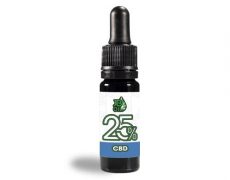
JB OIL 25%Starting from: 14,90€
CBD Oil 25%
The line worth holding is simple: concentration describes the bottle, not the reader. Read the figure as label information, compare it across products, and leave anything about use to other kinds of writing.
What CBD oil concentration means
Concentration is how much CBD a product contains, written as a figure on the label. It answers one question, how much CBD is in this bottle, and it answers it for the product, not for a person. A higher figure means more CBD in the bottle; it does not carry any instruction with it.
So the number is descriptive. It lets you compare one oil with another and read a label with confidence, which is exactly what a concentration figure is for. What to do with that information sits well outside this page.
Percentage, milligrams and millilitres
A label can state concentration in a few ways, and they describe the same fact. A percentage gives CBD as a share of the whole, so 10 percent means ten parts CBD in a hundred. A total in milligrams gives the amount in the entire bottle, such as 1000 mg. A figure in milligrams per millilitre states the amount in each millilitre, like 100 mg per ml.
These connect with simple arithmetic. A 10 ml bottle holding 1000 mg works out at 100 mg per ml, which is 10 percent, the same fact in three notations. Reading concentration is really just recognising which notation a label has chosen.
Why the same oil has more than one number
This is why two labels can look different yet mean the same thing. One brand prints a percentage, another a milligram total, the next a per-millilitre figure, and a reader can be forgiven for finding it confusing. Underneath, they are three ways of stating how much CBD a bottle holds.
Knowing the notations turns that confusion into a quick translation. Once you can move between percent, total milligrams and milligrams per millilitre, any concentration figure becomes readable, and two products become genuinely comparable.
Read also: CBD Oil Certificate Checklist: What To Read
Where the percent sign comes from
The percent sign on the label is a commercial heirloom. It grew out of the Italian phrase per cento, meaning per hundred, used by merchants working through interest and proportion sums. Over a few centuries the written abbreviation collapsed, step by step, into the % we read today.
That small symbol carries a lot of clarity. When a CBD oil label prints a percentage, it is using a notation refined over generations precisely to express a proportion, how much of one thing sits inside another, at a glance.
Concentration on the label and document
A concentration figure means most when it is read with the rest of the listing. The CBD oil pages keep the percentage or milligram figure beside the bottle volume and the certificate, so the label number can be checked against the measured result.
For the bottle volume that the figure depends on, our guide on CBD Oil Bottle Sizes: How To Read Labels shows how millilitres and the label panel fit together.
Read also: MCT Carrier Oil In CBD: Label Reading Guide
Concentration on a Justbob page
Justbob shows the concentration on each oil listing and backs it with analysis: every batch is tested, and the certificate of analysis sits inside the product page. A reader can match the percentage or milligram figure on the label to the measured CBD result for that exact batch, from the listing.
Every CBD oil sits inside the EU industrial hemp framework, with THC kept at or below the 0.3 percent threshold harmonised at European level, and the products are offered for technical, scientific and ornamental purposes only. Concentration is read here as a label figure, confirmed by the document and nothing more.
What concentration does not tell you
Concentration stops at the label. It states how much CBD a bottle contains, and it says nothing about how much to use, how often, or what to expect. It is not an amount to use, not an instruction and not a measure of quality; it is a figure describing the product.
So the number is read, compared and then confirmed against the certificate, and that is where its job ends. Anything about use belongs outside a label, and outside this article. For the regulator’s public framing of CBD products, the Food Standards Agency CBD guidance sets out the background, with no product to push.
Frequently asked questions about cbd oil concentration
What does CBD oil concentration mean?
CBD oil concentration is how much CBD a product contains, stated as a label figure. It can appear as a percentage of the bottle, a total in milligrams, or milligrams per millilitre, and these are different ways of writing the same fact. Concentration is a way to read and compare labels, confirmed by the certificate of analysis, not a measure of anything to use.
Is concentration a use instruction?
No. Concentration is a label figure describing how much CBD is in a bottle, and nothing more. It does not say how a product should be used, in what amount or how often, which are questions a product page does not answer. The number lets you read and compare labels; the document confirms it; and everything about use sits outside the article.
Why check documents too?
Because the label states the concentration and the certificate of analysis confirms it. The document records the measured CBD figure, the THC reading against the 0.3 percent threshold harmonised at European level, and the batch. Matching the concentration on the label to the certificate confirms that the figure on the bottle and the measured result describe the same lot.