Modified on: 29/09/2026
What is CBD flower? The hemp bud explained, from plant to label
CBD flower is the dried flower of the industrial hemp plant: a bud grown from Cannabis sativa L. varieties that are naturally high in cannabidiol (CBD) and low in THC. The term turns up on shop listings, on lab reports and in conversations about hemp, usually with little explanation attached. What makes it useful is knowing how the plant is classified and what to look for on a label.
-
 Max CBDAMNESIA CBD BOOST
Glasshouse | CBD<40%
Starting from:FLASH SALE -10%
0,85 €0,75 €/gGrams5 10 20 50 100 200 400 -
Max CBDAK47 CBD BOOSTStarting from: 1,45 €/g
Indoor | CBD<47%
Grams5 10 20 50 100 200 -
Max CBDCHARASStarting from: 0,90 €/g
CBD HASH | CBD<45%
Grams5 10 20 50 100 200 -
JB OIL 25%Starting from: 14,90 €
CBD Oil 25%
What CBD flower is
The flower is the part of the hemp plant where the aromatic resin glands cluster most densely, and that is where both the cannabidiol and the aroma sit. When people talk about hemp buds, this is the piece they mean: the dense, resin-rich flowering head of Cannabis sativa L., not the surrounding foliage.
The name is really a shorthand. It tells you which plant the bud comes from, which cannabinoid sits at the front of its profile, and roughly what to expect from its look and aroma. It does not describe a single variety: dozens of hemp cultivars are sold as CBD flower, each with its own genetics and character. Two buds can both be sold under the term and still look, smell and test quite differently, so the label matters more than the category name.
CBD flower and high-THC cannabis: the real difference
CBD flower and high-THC cannabis come from the same botanical species, Cannabis sativa L. What separates them is chemistry, not family. Hemp varieties are bred so that CBD dominates and THC stays very low, while high-THC plants are bred the other way round.
This difference matters because THC is the compound behind the intoxication associated with recreational cannabis. Hemp flower, kept under the legal THC limit, does not produce that effect. If you want the distinction laid out compound by compound, our guide to the difference between THC and CBD covers both molecules in more depth.
How the law draws the line in the EU
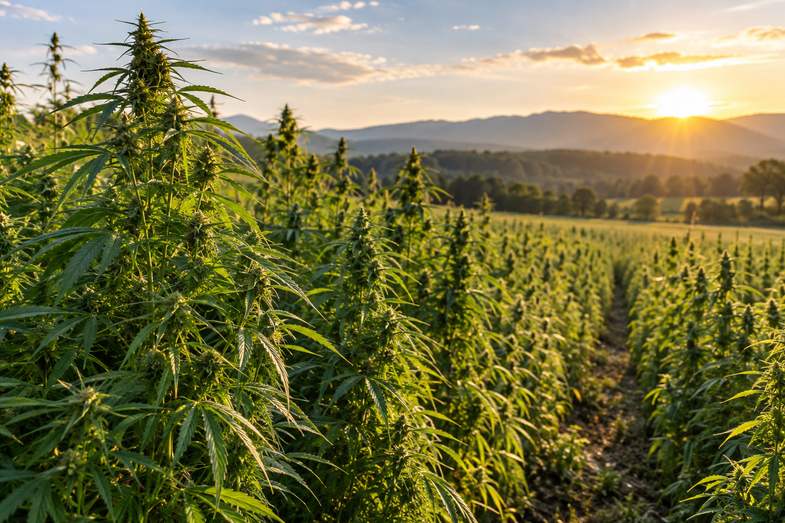
The legal definition rests on a number. Across the European Union, hemp can be grown as an agricultural crop as long as its THC content stays below 0.3 per cent. On top of that, the seed must come from a variety listed in the EU common catalogue of varieties of agricultural plant species. Those two conditions, listed-variety seed and a capped THC level, are what let a crop be grown and classified as agricultural hemp rather than as controlled cannabis.
But that only covers how the crop is grown. How the finished flower may then be sold, and what it may be sold for, varies from one country to the next, so a careful seller points to the framework it operates under. The cultivation side is set out in the European Commission’s hemp rules, which state the THC threshold and point to the catalogue of registered varieties. That threshold is a legal line and says nothing about quality: reputable producers back each batch with its own analysis, so the certificate reflects the flower in the packet, not just the variety on paper.
What a CBD flower looks like
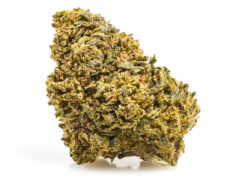
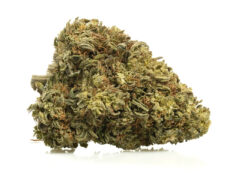
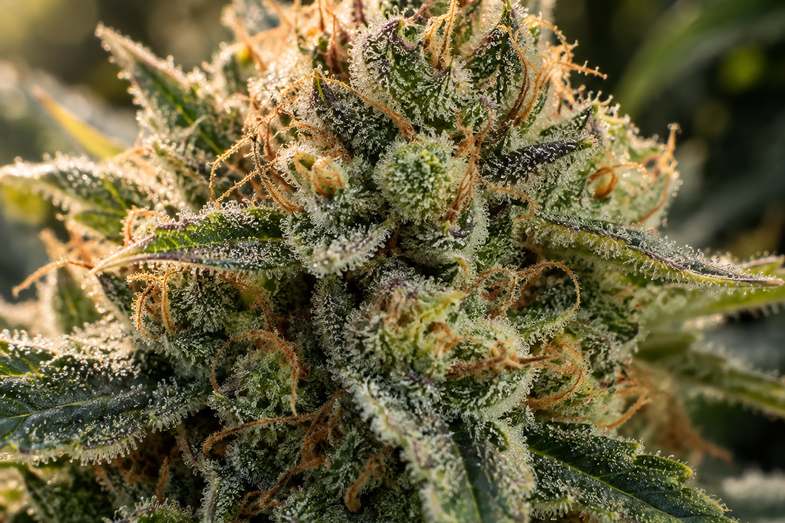
A CBD flower is typically a compact, well-formed bud, denser than a loose, leafy cluster, and the surface often looks frosted. The frost is a coat of trichomes, the tiny resin glands where the plant stores its cannabinoids and aromatic compounds.
Colour varies with the variety and the growing conditions. Many hemp flowers stay green with pale, creamy highlights, while some show purple or lavender tones when nights turn cold late in the season. Bright orange or amber hairs, the pistils, thread through the bud. None of this is decoration: the frost, the colours and the pistils are simply how the variety and the plant’s ripeness at harvest show up on the surface.
The aroma and the terpenes behind it
CBD flower carries a strong aroma, and that aroma comes from terpenes, the same family of aromatic compounds that give citrus peel, pine needles and pepper their smell. Hemp builds terpenes in the same glands that hold its cannabinoids: a frosty bud tends to be a fragrant one as well.
Different varieties lean in different directions. Some smell of citrus and fresh fruit, others of pine, diesel or earthy spice. The same compounds occur right across the plant world, which is why a hemp bud can share a note with a lemon grove or a pine forest. Even so, this is about aroma, not flavour: a hemp flower is not a food product.
Read also: What is CBD Oil?
CBD flower, small buds and trim
The same hemp is sold in more than one format, and the names mark size and grade, all from the same crop. The three you will meet most often are easy to tell apart:
- CBD flower: whole, full-sized buds, sold intact.
- Small buds: the same flower in a smaller, popcorn-sized format, simply lower in price.
- Trim: the material left after the buds are shaped, richer in leaf than in flower.
Knowing which grade you are looking at explains much of the price difference between two listings that otherwise read alike. Our Small Buds, for instance, are the same flower graded to a smaller size and priced accordingly. The plant is the same in each case; what changes is the size, the shape and how much leaf comes with the flower.
What CBD flower is sold for
Compliant hemp flower is offered for technical, scientific, ornamental and collector purposes, and as a way to perfume a room. It is not sold as a food or as anything to be taken into the body, and a good listing says so plainly.
Age rules apply as well: these products are for adults only, sold to buyers of 18 and over. The point of a good description is to tell you what the flower is and how it was grown, not to suggest a use it is not sold for.
Reading the label: lab analysis and certificates
The most useful thing on any listing is the certificate of analysis, often shortened to CoA. It is a laboratory report that states what the batch actually contains. That means the CBD figure, the THC figure that confirms the flower sits under the legal limit, and, on a thorough report, checks for contaminants such as heavy metals or pesticides.
A percentage on its own means little without that paper behind it. The figure printed on a listing is usually an indicative maximum for the variety, while the certificate reports what was actually measured in the tested batch. Because hemp is a plant, the two are rarely identical, and the reading can shift from one flower to the next. What a careful seller stands behind is a tested, legal batch rather than a fixed headline number. That is how our CBD Flower listings read: each variety is described by its aroma and its lab results, not by a single figure.
CBD flower next to CBD oil and hash
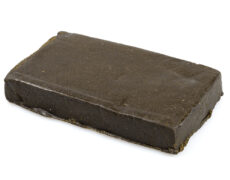
CBD flower is the raw bud, and it sits alongside other hemp formats that start from the same plant. CBD oil is an extract, where cannabinoids are drawn out of the plant material and carried in a base oil. Hash is pressed resin, concentrated from the trichomes alone. Each of these is really a different way of presenting the same raw material, and they often appear side by side in the same catalogue.
The flower is the least processed of the three. Where an oil or a hash has been through an extraction or pressing step, CBD flower is essentially the dried plant, so growing quality and drying care show up directly in the final bud.
What to check before you choose
A few habits make the whole category easier to read. Before you settle on one listing over another, it helps to run through a short mental checklist:
- The named variety: a specific cultivar tells you more than a generic label.
- A batch certificate: the lab report tied to that exact batch, not just the variety in general.
- The THC figure: confirmation that the flower sits under the legal limit.
- Appearance and aroma notes: descriptions of the actual flower, not just a headline percentage.
- An honest statement of use: a listing that is clear about what the product is, and is not, sold for.
When you do open a certificate, a few concrete details tell you it belongs to the product in front of you. Look for a batch or lot identifier that matches the listing, a recent report date, and the name of the laboratory that ran the analysis. A listing that leads with those, and with a clear variety name, is usually a more reliable one than a listing that leads with a big number and little else.
Frequently asked questions about CBD flower
What is CBD flower?
CBD flower is the dried flower of the industrial hemp plant, Cannabis sativa L., grown from varieties naturally high in cannabidiol and low in THC. The flower is the part of the plant where the resin glands cluster most densely. The term does not describe a single variety, but a whole category of hemp buds sold for technical, scientific, ornamental and collector purposes, kept under the legal THC limit and described by a batch lab analysis.
Is CBD flower the same as cannabis?
It comes from the same botanical species, Cannabis sativa L., but it is bred to a different chemistry. Hemp varieties are selected so that CBD dominates and THC stays very low, while high-THC cannabis is bred for potency. Because THC is the compound behind the intoxication linked to recreational cannabis, hemp flower kept under the legal limit does not produce that effect. Same plant family, very different cannabinoid balance.
Is CBD flower legal?
In the European Union, hemp can be grown as an agricultural crop as long as its THC content stays below 0.3 per cent and the variety is entered in the EU Common Catalogue. Those conditions, certified seed and a capped THC level, are what let a crop be grown and classified as agricultural hemp rather than controlled cannabis. That governs cultivation, not retail: rules on how the flower may be sold, and what for, vary from country to country, so a careful seller states the framework it works under and backs each batch with a lab report.
What does CBD flower look and smell like?
A CBD flower is typically a compact, well-formed bud with a frosted surface, that frost being the trichomes where the plant stores its resin. Colours range from green with creamy highlights to soft purple, with orange pistils threading through. The aroma comes from terpenes and can lean citrus, pine, diesel or earthy spice depending on the variety. Terpenes describe how a flower smells, not how it tastes.
What is CBD flower used for?
Compliant hemp flower is offered for technical, scientific, ornamental and collector purposes, and as a way to perfume a room. It is sold to adults only, aged 18 and over, and is not a food or anything meant to be taken into the body. A responsible listing describes what the flower is and how it was grown, backs the description with a lab certificate, and does not suggest a use the product is not sold for.