
Published on: 21/11/2026
Hempcrete: can you really build a house out of hemp?
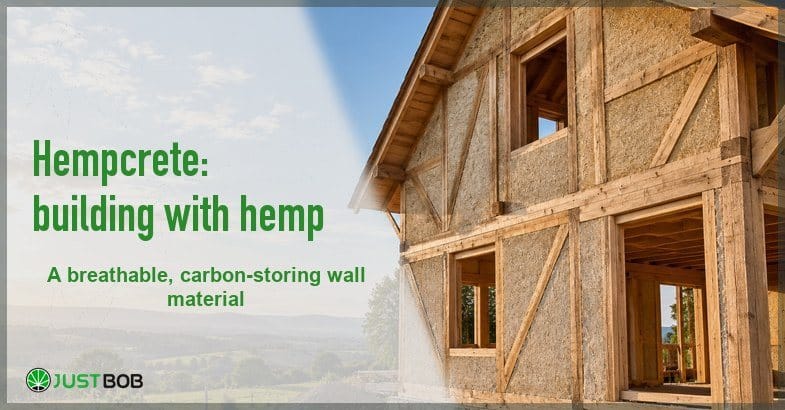
Hold a block of hempcrete and the first surprise is the weight. It feels like it should be heavy, like concrete, and instead it sits in your hand like a dry sponge. It is a building material made largely from a plant, and it behaves nothing like the plant’s reputation.
-
 Max CBDAMNESIA CBD BOOSTStarting from: 0,85 €/g
Glasshouse | CBD<40%
Grams5 10 20 50 100 200 400 -
Max CBDAK47 CBD BOOSTStarting from: 1,45 €/g
Indoor | CBD<47%
Grams5 10 20 50 100 200 -
Max CBDCHARASStarting from: 0,90 €/g
CBD HASH | CBD<45%
Grams5 10 20 50 100 200 -
JB OIL 25%Starting from: 14,90 €
CBD Oil 25%
So what is it, and why do some architects now ask for it by name? This guide walks through what hempcrete is made of, how a hemp wall actually goes up, what it does well, where it falls short, and how the hemp inside a wall relates to the hemp we work with every day.
What hempcrete actually is
Hempcrete is a mix of two humble ingredients:
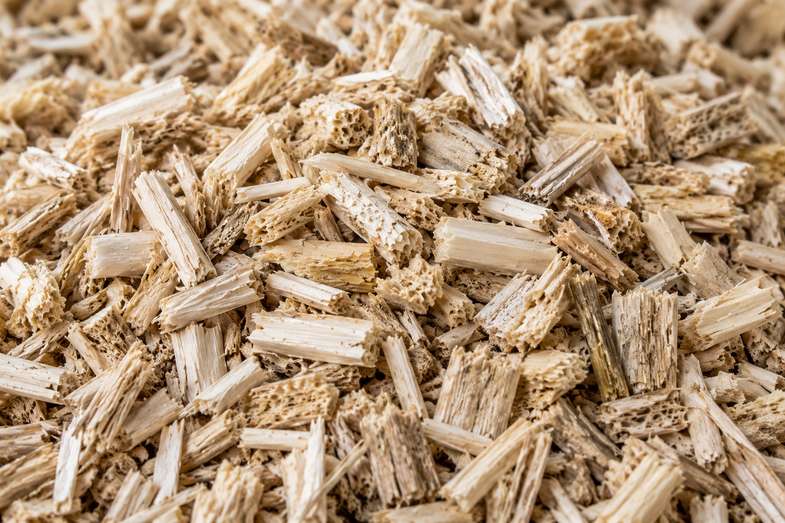
- Hemp shives, also called hurd: the woody core of the hemp stalk, chopped into small chips.
- A lime binder: the same family of material builders have used for thousands of years.
Combine the shives, the lime and water, and you get a light, insulating mass that sets into a wall.
The name is a little misleading. Hempcrete is not concrete, and it is not structural in the way concrete is.
Hempcrete does not hold the building up. It wraps and insulates a frame that does.
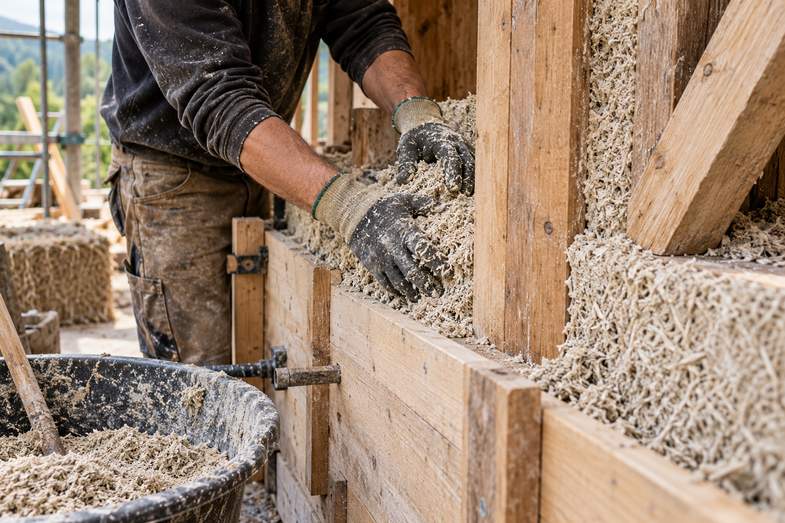
In a typical hemp lime build, a timber frame carries the load, and the hempcrete is cast or packed around it as insulation and mass. Think of it as the warm, breathable filling between the bones of the house, not the skeleton itself.
How a hemp wall gets made
There are two common routes. On many sites the wet hemp lime mix is tamped by hand into temporary shuttering around the frame, layer by layer, a bit like building a wall out of firm porridge. Elsewhere the mix is pre-cast into hempcrete blocks or panels in a factory, then stacked on site like oversized, featherweight bricks.
Either way the chemistry is the same. The lime binder coats every hemp shiv, slowly hardens, and over months it pulls carbon dioxide back out of the air as it cures. The wall you build this year keeps setting for a long time after the builders have gone home.
Read also: The story of the Hemp Body Car
Curing is also why patience matters. A hemp lime wall needs time and air to dry properly, which is one reason this is not a material you rush. In our view that slowness is part of the appeal: it rewards planning rather than speed.
Why builders like it: insulation, breathability and carbon
The appeal comes down to a handful of properties that rarely sit together in one material. Hempcrete insulates well, and because it is full of air and able to hold and release moisture, it helps buffer both temperature and humidity inside a building.
A few things builders tend to list first:
- Breathability: the wall manages moisture instead of trapping it, which suits older solid-wall buildings.
- Insulation and thermal mass: it slows the swing between a hot afternoon and a cold night, cutting the energy needed to stay comfortable.
- Fire behaviour: in testing, hemp lime tends to resist fire better than you would expect from a plant-based material, because the binder coats every chip.
- Stored carbon: the hemp locks in carbon as it grows, and the lime reabsorbs more as it sets, so a finished wall can hold more carbon than it emitted.
That last point is the interesting one. Most building materials are a carbon cost. A hemp lime wall, measured across its full life cycle, can run the other way.
A material that stores carbon while it keeps a house warm is an unusual thing in construction.
The catch: what hempcrete is not
None of this makes hempcrete a miracle, and pretending otherwise would be the fastest way to disappoint a first-time builder. It is not load-bearing, so it always needs a frame. It dries slowly, so a build cannot be hurried. Good lime work takes skill, and in many places the supply chain and the trained crews are still thin, which can push up cost.
It is also a specialist choice rather than a default. For a well-insulated, breathable, lower-carbon wall it is hard to beat, but it will not replace every brick and block overnight.
Read also: Is it legal to grow hemp?
The same plant, a very different product
Here is the part people tend to miss. The hemp inside an insulating wall and the hemp behind a jar of flower come from the same agricultural plant, Cannabis sativa L., grown as an industrial hemp crop.
That crop is tightly defined in Europe. Hemp grown from varieties in the EU Common Catalogue, kept under the harmonised 0.3 percent THC limit for the plant, is defined as an agricultural crop under Regulation (EU) 2021/2115, which has applied since the start of 2023.
That shared definition is the common thread behind very different products. The woody core becomes shives for building, while the flowering tops are what our CBD flower comes from, sold for technical and ornamental purposes.
One regulated plant, grown as a crop, can end up in a wall, in a rope and in a flower.
How each finished product is then sold is answered market by market, which is a separate question from how the plant is grown. It is the same whole-plant thinking our wider industrial hemp uses overview digs into.
So, is hemp a serious building material?
On the evidence, yes, with honest limits. Hempcrete is a breathable, well-insulating, carbon-storing infill for framed buildings, made from hemp shives and a lime binder. It will not carry a roof on its own, and it rewards builders who plan for slow curing and skilled lime work. For the flower side of the same crop, the Justbob catalogue is a click away.
The wider lesson is the one we find most interesting. The plant most people file under a single narrow heading turns out to be one of the most versatile crops in the field.
Frequently asked questions about hempcrete
What is hempcrete made of?
Hempcrete is made from two main ingredients: hemp shives, the chopped woody core of the hemp stalk, and a lime binder mixed with water. The lime coats the hemp shives and hardens around them, creating a light, insulating material. It is bound with lime rather than ordinary cement, and the hemp is grown as an industrial fibre crop. The result is a breathable wall material rather than a structural concrete.
Is hempcrete load-bearing?
No. Hempcrete is not a structural material and does not hold a building up on its own. In a hemp lime build, a separate frame, usually timber, carries the load, and the hempcrete is cast or stacked around that frame as insulation and thermal mass. This is a very common misunderstanding about the material, and it shapes how a hempcrete project is designed.
Does hempcrete really store carbon?
Across its life cycle it can. The hemp plant absorbs carbon dioxide as it grows, and the lime binder slowly reabsorbs more carbon from the air as the wall cures over months. Measured over the full life cycle, a hempcrete wall can store more carbon than its production released, which is unusual for a building material. The exact figures depend on the design, the binder and how the numbers are counted.
Is the hemp in hempcrete the same as the hemp in CBD products?
It comes from the same species, Cannabis sativa L., grown as an industrial hemp crop under the European framework. Construction uses the woody stalk core, while CBD products such as flower come from other parts of the harvest. Both start from varieties listed in the EU Common Catalogue and kept under the 0.3 percent THC limit, so they share the same agricultural starting point. The finished products could hardly look more different, and they are sold under different rules.