
Published on: 14/01/2026
The research opens up an alternative pharmacological pathway based on an aromatic spice, using carvone to create effective molecules without psychotropic effects
Scientific research, especially in the field of pharmacology, rarely follows a linear path. Very often, significant advances arise from the observation of seemingly marginal elements, which are analysed, broken down and reworked using rigorous theoretical and experimental tools.
It is within this framework that a study recently published in the journal Neuropsychopharmacology focuses on the development of new anticonvulsant compounds inspired by cannabidiol, but obtained without resorting to cannabis.
-
 Max CBD
AMNESIA CBD BOOST
Glasshouse | CBD<40%
Starting from:WINTER SALE - 10%
0,85€0,75€/gGrams5 10 20 50 100 200 400 - Max CBD
AK47 CBD BOOST
Indoor | CBD<47%
Starting from:SUPER SALE -20%
1,45€1,15€/gGrams5 10 20 50 100 200 - Max CBD
CHARAS
Starting from: 0,90€/gCBD HASH | CBD<45%
Grams5 10 20 50 100 200 -
JB OIL 25%
Starting from: 14,90€CBD Oil 25%
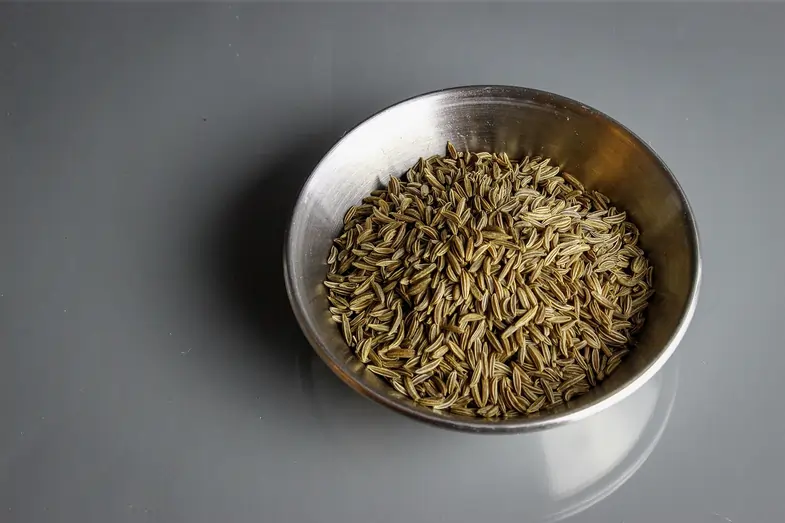
The study, conducted by a research group led by the University of Nevada, Las Vegas, explores the use of carvone, a molecule naturally present in the essential oils of certain aromatic plants, including caraway, as a structural basis for the synthesis of substances with pharmacological activity similar to CBD cannabis.
Before we begin, we would like to remind you that this article by Justbob is for informational and educational purposes only. The content presented refers to scientific research in the preclinical phase and does not in any way constitute an invitation to use substances, self-medicate or engage in practices that are not in accordance with the law.
The information provided does not replace the advice of a doctor or other qualified healthcare professionals. Any decision regarding your health should be made exclusively in consultation with your doctor. You are also advised to always comply with the regulations in force in your country regarding drugs, substances and healthcare treatments.
With these necessary disclaimers out of the way, we can begin!
Read also: The 6 best movies based on marijuana
The starting hypothesis: replicate the effect, not the source
The study conducted by the UNLV team starts from a specific assumption: if certain therapeutic properties of CBD are linked to its chemical structure and not its botanical origin, it is theoretically possible to design alternative molecules that mimic its pharmacological activity without being derived from cannabis. This distinction is central and often misunderstood in public debate.
The goal is not to “find CBD in other plants”, but to identify molecules that can serve as a structural basis for the synthesis of compounds with similar effects. This is where carvone comes in, a substance found in the essential oils of aromatic plants commonly used in food.
What is carvone?
Carvone is a natural monoterpene that has been extensively studied in chemistry and industry. It is responsible for the characteristic aroma of caraway, dill and spearmint. From a pharmacological point of view, carvone is not an anticonvulsant and does not have therapeutic properties comparable to CBD. Its relevance in the study derives exclusively from its chemical structure, which can be modified in the laboratory.
The researchers used carvone as a “molecular scaffold”, i.e. as a starting structure on which to make controlled modifications. Through targeted interventions on the three-dimensional configuration of the molecule, a series of synthetic compounds — defined as CBD-like — were created, designed to interact with specific neurological targets.
From chemistry to preclinical testing
Once synthesised, the new compounds were tested in animal models of epilepsy. It is important to note that preclinical models do not perfectly reproduce the complexity of human diseases, but they are an indispensable tool for evaluating the efficacy, toxicity and tolerability of new molecules before any clinical trials.
In the tests conducted, some of the carvone-derived compounds showed a significant reduction in epileptic seizures compared to controls. In some cases, a decrease in seizure-related mortality was also observed in the most severe models. These results indicate pharmacological potential, but do not in any way constitute proof of clinical efficacy in humans.
The absence of THC and regulatory implications
A central element of the study concerns the total absence of THC in the compounds developed. This has consequences both in terms of safety and regulation. The elimination of the psychotropic principle reduces the risk of undesirable effects related to the alteration of cognitive and behavioural functions and simplifies, at least in theory, the regulatory path necessary for the development of a drug.
However, it is essential to avoid simplifications: even synthetic compounds face complex regulatory processes, including toxicological studies, clinical trials and long-term safety assessments. The absence of THC does not equate to automatic approval.
A complex area: epilepsy in children
Paediatric epilepsy comprises a heterogeneous set of neurological conditions characterised by recurrent seizures, with extremely variable manifestations and severity. In some cases, particularly in developmental epileptic encephalopathies, seizures occur early, are frequent and are resistant to standard drug treatments. This type of epilepsy not only affects quality of life, but can also significantly compromise the child’s cognitive, behavioural and neurological development.
Drug treatment is still the mainstay of clinical management, but it is not without its limitations. Many anticonvulsant drugs, while effective in controlling seizures, are associated with significant side effects, especially when taken over a long period of time. In paediatric patients, these effects are even more significant, as the central nervous system is still developing and is particularly sensitive to pharmacological interference.
Existing therapies and their critical issues
Among the most commonly used drugs in the treatment of epileptic seizures are benzodiazepines and other first-line anticonvulsants. These molecules act primarily by enhancing the inhibitory activity of the central nervous system, with the aim of reducing the neuronal excitability responsible for seizures. Although the mechanism is well known and its efficacy has been documented in numerous clinical contexts, prolonged use can lead to sedation, alterations in alertness, cognitive deficits and, in some cases, negative effects on brain development.
It is precisely this combination of therapeutic efficacy and neurological risk that has prompted research into pharmacological alternatives capable of controlling seizures while minimising side effects, especially in younger patients. This is the context for the growing interest in molecules with different mechanisms of action, including cannabidiol.
Cannabidiol: clinical results and structural limitations
Cannabidiol is one of several chemical compounds found in the cannabis plant; products commonly referred to as cbd oil exist on the market, but their legality and regulatory status vary and should always be verified according to the laws in force in each country.
Unlike tetrahydrocannabinol (THC), CBD has no psychotropic effects and does not alter consciousness. In recent years, CBD has been the subject of intense research, which has demonstrated some efficacy in the treatment of specific forms of severe and drug-resistant epilepsy.
Based on these results, a CBD-based drug has been approved in the United States for the treatment of certain paediatric epilepsy syndromes, but the issue is still debated and far from resolved, as can be seen in this CNN article, for example.
The origin of the substance from cannabis has a number of significant implications: complex production processes, high costs, stringent regulatory procedures and more expensive pharmaceutical management than traditional synthetic medicines. While these factors do not call into question the clinical value of CBD, they do limit its distribution and accessibility.
Tolerability and brain development: preliminary data
One of the most discussed aspects of the study concerns the tolerability profile of the compounds tested. In animal models, carvone-derived molecules did not show the sedative effects typical of benzodiazepines. Furthermore, some data suggest a less negative impact on brain cell development than traditional anticonvulsant drugs.
Again, caution is required. The data are preliminary, limited to the experimental context and not automatically transferable to humans. Any hypothesis of benefit on neurological development requires independent confirmation and long-term studies.
What this research does not prove
It is essential to clarify a few points to avoid misinterpretation. This research does not prove that cumin, carvone or other spices have therapeutic effects on epilepsy, nor does it support the idea that plant-derived products such as cbd flower, as commonly available on the consumer market, can be considered therapeutically equivalent to clinically tested and regulated medicines.
There is no evidence that dietary consumption of caraway or plants containing carvone can reduce epileptic seizures.
The compounds studied are not found in nature, are not supplements, are not natural remedies and are not available outside the laboratory. Any misuse or attempt at self-experimentation would be scientifically unfounded and potentially dangerous.
Between scientific hypotheses and regulatory boundaries yet to be defined
It is essential to clarify that this is not a treatment available for clinical use, nor is it a validated therapy, but rather experimental research conducted in the preclinical phase, whose results relate exclusively to animal models.
Any hypothesis of clinical application remains, at present, purely theoretical and subject to a long, complex verification process governed by extremely rigorous standards.
At the same time, this line of research raises a broader scientific question that goes far beyond the single study: are there substances of natural origin, or molecules inspired by natural structures, capable of reproducing some of the pharmacological characteristics of CBD without exerting psychotropic effects?
The question is not new, but it is becoming increasingly important in light of the regulatory, production and distribution difficulties that still accompany drugs derived directly from cannabis.
In this sense, the work on carvone does not suggest the existence of “natural alternatives to CBD” that can be used as they are, but points to a direction of research in which nature becomes a structural starting point, not an immediate therapeutic solution. The scientific value lies in the possibility of separating the desired pharmacological effect, such as the reduction of neuronal excitability, from the botanical source which, in the case of cannabis, carries with it particularly complex legal, cultural and regulatory implications.
If molecules inspired by natural compounds, without psychotropic activity and obtained through controlled synthesis processes, were to be developed and validated in the future, this would open up new scenarios, including at the regulatory level. In that case, legislators would be called upon to deal with pharmacological categories that do not fully fall within the scope of either cannabis derivatives or traditional drugs of completely synthetic origin. Understanding how to classify, regulate and evaluate them in a consistent manner would become a necessity, not an option.
However, it is essential to avoid any undue anticipation. At present, there are no recognised, safe and legally approved natural substances that can be considered therapeutically equivalent to CBD, let alone usable outside a research context.
The distinction between what is being studied and what is clinically available remains clear and non-negotiable. For this very reason, scientific and communicative prudence is an essential condition for seriously addressing a field of research that involves public health, vulnerable patients and complex regulatory systems.
Ethical aspects and communication responsibility
Communicating research in the neurological and paediatric fields requires a particularly high level of responsibility. Families involved in complex therapeutic pathways are often looking for new solutions, and inaccurate or exaggerated news can generate unrealistic expectations.
For this reason, every advance must be presented for what it is: a step in a long, rigorous process subject to numerous checks. The distinction between basic research, preclinical testing and clinical application is not a technical detail, but a central element of accurate scientific information.
The role of university research and training
The study was conducted in an academic setting, with significant involvement of university students supported by experienced researchers. This highlights the value of research as a training tool, as well as a driver of innovation. The production of scientific knowledge also involves educational pathways that integrate theory, laboratory work and critical thinking.
Future prospects and time constraints
Any future developments will depend on a series of necessary steps: further preclinical studies, in-depth toxicological evaluations, analysis of mechanisms of action and, only then, the start of clinical trials on humans. Each phase requires time, resources and rigorous controls.
There are no short timelines or guarantees of success. Many promising molecules in the preclinical phase do not make it through the subsequent phases. This is an integral part of the scientific process.
Read also: Understanding ego death: a psychological and cultural perspective on a controversial concept
A line of research to watch closely
Research on CBD-like compounds derived from carvone is a concrete example of how contemporary pharmacology is attempting to separate the therapeutic effect from the botanical source, directly addressing the clinical, regulatory and production limitations associated with cannabis derivatives. The interest of the study lies not in the promise of a new ready-to-use therapy, but in the method adopted: the identification of a natural molecular structure as a starting point for the design of synthetic compounds, free of THC and tested exclusively in the preclinical setting.
The results obtained in animal models — reduction in seizures, improved survival and absence of the sedative effects typical of some commonly used anticonvulsants — indicate a pharmacological potential that, at present, remains limited to laboratory experimentation. There is no clinical evidence in humans, nor any authorisation for therapeutic use, and any possible future application will depend on a long, rigorous validation process subject to independent controls.
Following the evolution of this line of research therefore means observing a scientific process under construction, based on verifiable chemical hypotheses, controlled experimental models and communication that, at least at this stage, maintains a clear distinction between preclinical results and clinical applications. If, in the future, these compounds were to pass the subsequent stages of experimentation, this would raise important questions in terms of regulation and therapy.
Until then, the main contribution of the study remains that of having defined a new area of investigation, to be analysed with interest, rigour and the caution that such a delicate subject, especially when it concerns childhood epilepsy, requires without exception.
Anticonvulsant compounds similar to CBD have been discovered in caraway: takeaways
- The UNLV-led study frames a clear hypothesis—replicate CBD’s pharmacological profile by designing new molecules that resemble its functional properties, rather than “finding CBD in other plants.” Carvone, naturally present in caraway and other aromatic plants, is used strictly as a molecular scaffold that can be reshaped in the lab to generate fully synthetic, CBD-like candidates.
- In animal models of epilepsy, some carvone-derived compounds were associated with fewer seizures and, in severe models, lower seizure-related mortality, while appearing not to produce the sedative effects typically linked to benzodiazepines. These findings are meaningful as preclinical indicators—they do not demonstrate clinical efficacy in humans, they do not justify extrapolation to patient care, and they require further toxicology, mechanism-of-action work, and eventual human trials before any therapeutic claim can be considered.
- The research highlights why interest in CBD-like molecules persists—THC-free candidates may, in principle, reduce psychotropic concerns and reshape access pathways. At the same time, the article repeatedly draws a necessary line between regulated medical contexts and consumer-market items: terms such as cbd oil and cbd flower refer to products whose legal status varies by country and whose availability does not imply therapeutic equivalence to clinically tested medicines; for this reason, legality and compliance must be verified locally, and self-medication remains outside the scope of what the research supports.
Anticonvulsant compounds similar to CBD have been discovered in caraway: FAQ
What are the anticonvulsant compounds discovered in caraway?
The research focuses on new synthetic compounds inspired by cannabidiol (CBD) but not derived from cannabis. These molecules are created using carvone, a natural compound found in caraway and other aromatic plants, as a structural scaffold. The resulting compounds are CBD-like in their pharmacological activity and have been tested only in preclinical animal models.
Does this research mean that caraway or other spices can treat epilepsy?
The study does not demonstrate that caraway, carvone or other spices have therapeutic effects on epilepsy. The compounds studied are not found in nature, are not dietary supplements and are not available outside laboratory research. There is no evidence that consuming caraway or similar plants can reduce epileptic seizures.
Are these CBD-like compounds already available as a medical treatment?
The research is in the preclinical phase and has been conducted exclusively in animal models. The compounds are not approved medicines, are not available for clinical use and have not been tested in humans. Any potential medical application would require further studies, clinical trials and regulatory evaluation.