
Published on: 30/09/2026
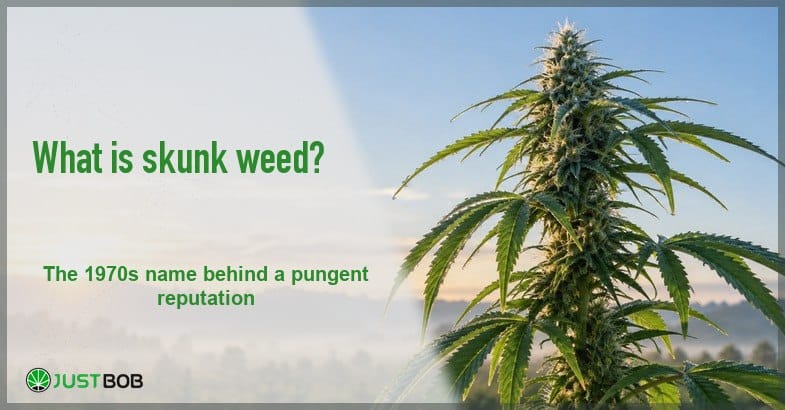
What is skunk weed, and why does the name cause so much confusion?
Few words in the cannabis vocabulary carry as much baggage as skunk. To a grower it is a founding genetic line. To a British newspaper it is shorthand for something alarming. To a shopper reading a CBD label it is simply part of a product name. Three meanings, one word, and a lot of room for a misunderstanding.
-
 Max CBDAMNESIA CBD BOOST
Glasshouse | CBD<40%
Starting from:FLASH SALE -10%
0,85€0,75€/gGrams5 10 20 50 100 200 400 -
Max CBDAK47 CBD BOOSTStarting from: 1,45€/g
Indoor | CBD<47%
Grams5 10 20 50 100 200 -
Max CBDCHARASStarting from: 0,90€/g
CBD HASH | CBD<45%
Grams5 10 20 50 100 200 -
JB OIL 25%Starting from: 14,90€
CBD Oil 25%
So let us untangle it. This guide explains where the Skunk name comes from, what it has come to mean in the UK, why it really describes an aroma rather than a promise, and what applies when you see skunk on a compliant CBD listing. A quick note: this is general information, and the aim here is to define a term, not to make claims about effects.
Where the Skunk name comes from
Skunk is not a vague descriptor. It began as a specific breeding project in the late 1970s, when growers in the United States stabilised a cross drawing on landrace genetics that included Afghani, Acapulco Gold and Colombian Gold. The result, released as Skunk number one, became one of the most influential varieties in modern cannabis breeding.
Its importance is historical rather than promotional. Skunk number one was among the first hybrids stable enough to pass its traits reliably to the next generation, which is why its name echoes through decades of later varieties. When you see skunk in a strain lineage, you are usually reading a reference to that founding cross.
Skunk started life as a plant breeder’s surname for a genetic line, long before it became a headline word.
Read also: How Many Types Of Marijuana Exist?
What skunk means in the UK today
Somewhere along the way, the word drifted. In British media and everyday speech, skunk stopped meaning a particular genetic line and became a loose label for strong, illicit herbal cannabis in general. It is used far more broadly than any breeder ever intended, and often with no reference to the actual Skunk lineage at all.
This is where the confusion bites. The tabloid skunk and the botanical Skunk are not the same idea, and a reader can easily assume a product name is describing something it is not. In our view the honest thing to say is that the popular usage is imprecise: it describes a reputation, not a defined plant.
It is really about aroma, not a promise
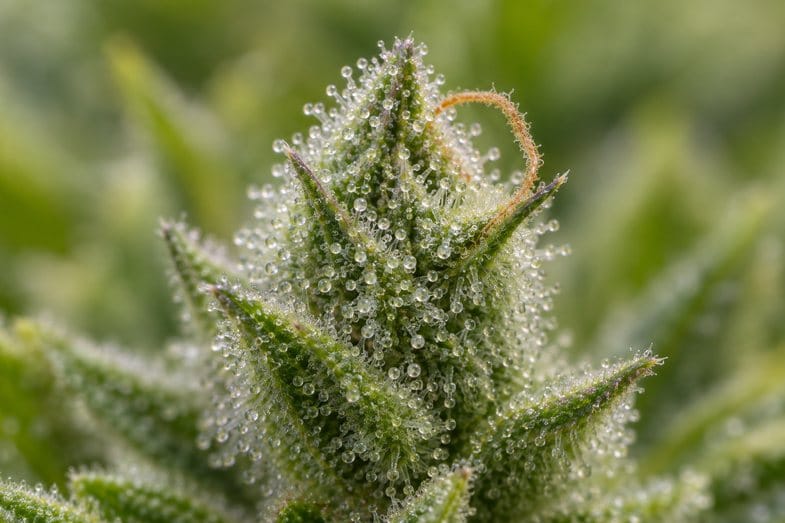
Strip away the headlines and the original reason for the name is delightfully simple: smell. The Skunk line was famous for a pungent, sulphurous aroma that reminded people of the animal, sharp and unmistakable in a room. That scent comes from volatile compounds in the plant’s resin, part of the same terpene chemistry that gives every variety its signature nose.
So skunk, at root, is an aroma word. It tells you to expect a bold, funky profile, the botanical equivalent of a strong cheese or an over-ripe fruit. It says nothing reliable about anything else, and it certainly is not a shorthand for an experience.
If aroma is what interests you, the wider world of cannabis scent is genuinely rich, and our look at the terpene profile of the plant is a better guide to it than any single strain name.
Skunk names on CBD products: what applies
Now the practical part. When a skunk name appears on a compliant CBD listing, the legal reality is set by the product, not by the folklore of the word. Hemp grown from EU Common Catalogue varieties and kept under the harmonised 0.3 percent THC ceiling is treated as an agricultural crop, a threshold laid out in Regulation (EU) 2021/2115.
In other words, a skunk-named CBD flower is inheriting the aroma tradition of that famous line, not the potency the tabloids attached to the word. A CBD flower carrying a skunk name is compliant hemp, analysed batch by batch, and the name is doing aromatic and historical work rather than making any promise.
How to read a skunk-named label
A short field guide, then, for the next time you meet the word on a shelf:
- Treat it as an aroma cue first. Expect a sharp, pungent profile in the classic skunk tradition.
- Read the lineage, not the reputation. A skunk name usually points to that founding cross somewhere in the family tree.
- Let the batch report speak. On a compliant product the analysis, not the name, tells you what is actually inside.
- Ignore the headline meaning. The broad UK slang is about illicit cannabis, not about a compliant hemp listing.
For a concrete example of how one skunk descendant is described in aroma terms rather than tabloid ones, our page on Boost Weed shows the same logic applied across a curated range.
Skunk, the word decoded
The word carries three layers. Skunk began as a specific, historically important genetic line named for its pungent aroma. In British usage it became a loose word for strong illicit cannabis, which muddied its meaning. On a compliant CBD product the word is an aroma and heritage reference, governed by the plant’s own analysis and the European 0.3 percent rule.
Read the word for what it originally meant, a smell and a lineage, and most of the confusion evaporates.
Frequently asked questions about skunk weed
What is skunk weed?
Skunk started as a specific cannabis genetic line stabilised in the late 1970s, drawing on Afghani, Acapulco Gold and Colombian Gold landraces and released as Skunk number one. It was named for its strong, sulphurous aroma. Over time the word broadened in British usage into a loose label for strong illicit cannabis, so today it carries two very different meanings: a defined genetic heritage and a vague slang term.
Why is skunk called skunk?
The name refers to smell. The original Skunk line produced a pungent, sulphurous aroma that reminded people of the animal, sharp and easy to notice. That scent comes from volatile compounds in the plant’s resin, part of the terpene chemistry that gives each variety its signature nose. The word was always an aroma descriptor rather than a claim about anything else.
Is skunk the same as CBD flower?
Not automatically. Skunk is a name and an aroma tradition, while CBD flower is a legal product category. When a skunk name appears on a compliant CBD listing, the product is hemp grown from EU Common Catalogue varieties under the 0.3 percent THC ceiling, analysed batch by batch. The name signals a pungent aromatic heritage, not the potency that British slang attached to the word.
Does a skunk name mean the product is strong?
No. On a compliant CBD product the name is an aroma and lineage reference, not an indicator of strength. The broad slang meaning that links skunk to strong illicit cannabis does not apply to hemp kept under the European 0.3 percent THC threshold. The batch analysis, not the strain name, is what describes what is actually in a compliant product.