Modified on: 28/08/2026
A report-reading guide, not a shortcut
A CBD oil lab report should read like an orderly checklist, not a puzzle. Open the certificate behind a product and you find a short stack of fields: the batch identity, the cannabinoid figures, a few contaminant screens, and a date. Each one answers a plain question about that specific lot. This Justbob guide walks through what those fields mean, how to match a report to the bottle in front of you, and where the document stops. The point is document literacy, so a report reads clearly rather than feeling mysterious.
-
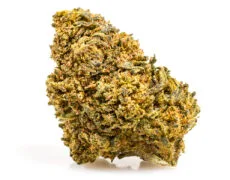
 Max CBDAMNESIA CBD BOOSTStarting from: 0,85€/g
Glasshouse | CBD<40%
Grams5 10 20 50 100 200 400 -
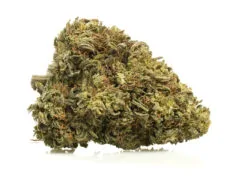
Max CBDAK47 CBD BOOSTStarting from: 1,45€/g
Indoor | CBD<47%
Grams5 10 20 50 100 200 -
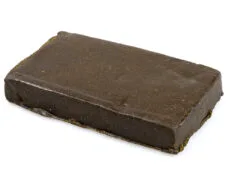
Max CBDCHARAS
CBD HASH | CBD<45%
Starting from:FLASH SALE -10%
0,90€0,80€/gGrams5 10 20 50 100 200 -
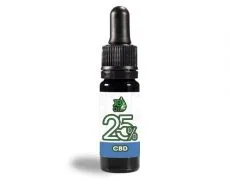
JB OIL 25%Starting from: 14,90€
CBD Oil 25%
Work through it and you can open a CBD oil certificate of analysis, find the four or five fields that matter, and confirm they line up with the label in a single quick pass.
What CBD oil lab reports include
A certificate of analysis (often shortened to COA) is the laboratory document behind a CBD oil. It usually carries a handful of standard sections: the product and batch identity, the cannabinoid profile, contaminant screens (commonly heavy metals, pesticides and residual solvents), the laboratory name, and the analysis date. Many reports also note the testing method, frequently HPLC for the cannabinoid figures.
Day to day, the useful way to read one is field by field, not all at once. A report is a set of small confirmations rather than a single verdict. Once you know which field answers which question, the page stops looking dense and starts looking like a form.
Batch identity and label match
The first job of a report is identity. The lot or batch number on the certificate should match the lot number printed on the bottle or the label. When the two agree, the document genuinely belongs to the product in your hand. When they do not, the report is describing a different lot and cannot confirm anything about this one.
The catalog link belongs right here. The CBD oil listings each carry their own batch documents, so the match between bottle and certificate is meant to be quick to check. Identity first, figures second: that order keeps a reader from reading the right numbers off the wrong document.
Reading the cannabinoid profile
The cannabinoid profile is the section most readers open first. It lists the measured cannabinoids, usually with CBD as the headline figure and THC reported against the 0.3 percent threshold harmonised at European level. A full spectrum oil will show a range of minor cannabinoids alongside CBD; a broad spectrum or isolate-based oil will show a narrower set.
The figures are descriptive, not directive. They tell you what the laboratory measured in that lot, nothing more. Reading them next to the label is the point: the percentage on the bottle and the percentage on the certificate should tell the same story.
Read also: CBD Oil Lab Testing: What a Certificate Can Tell You
Dates and document clarity
A report carries time. The analysis date tells you when the lot was tested, and a clear document names the laboratory that signed it. A report with no date, or with no laboratory identity, is harder to place, even when the figures look orderly.
Clarity also lives in small details: legible fields, a readable method line, a lot number that matches the packaging. For more on where those label details sit on the bottle itself, our guide on CBD Oil Bottle Sizes: How To Read Labels covers the label side of the same picture.
How the numbers came to be measured
The cannabinoid figures on a modern COA rest on a specific analytical method. High-performance liquid chromatography, usually written HPLC, separates the compounds in a sample so each can be measured. The Hungarian-born chemist Csaba Horvath built one of the first HPLC instruments and helped popularise the term around 1970, working in the United States.
That background gives the numbers a longer shelf than the certificate suggests. When a 2026 report lists a CBD percentage, it is the end of a measurement chain that took shape over half a century of analytical chemistry. The figure is modern; the method behind it is not new.
Read also: CBD Flower Lab Report: What It Shows and Why It Matters
What a lab report cannot say
A report has clear limits, and reading them is part of reading the document. A certificate of analysis describes a lot: its cannabinoid figures, its contaminant screens, its batch identity. It does not describe a person, an outcome or an effect, and it is not a substitute for official guidance.
So a fair reading keeps to what the report states. A report can confirm what the laboratory measured in a specific batch. It cannot promise anything beyond that, and a page that stretches a certificate into a claim has moved away from the document and into territory the safe lane does not cover.
Reading a report the Justbob way
Constant analyses cover all of Justbob’s commercialised products and every batch. Each certificate is reachable from the product page itself. A reader who wants to confirm the cannabinoid breakdown, the THC threshold compliance or the batch identity for a specific lot can open the certificate of analysis right there on the product page.
Every CBD oil listing sits inside the EU industrial hemp framework, with THC kept at or below the 0.3 percent threshold harmonised at European level, and the products are offered for technical, scientific and ornamental purposes only. Within that frame, the lab report is taken as a document to read, placed next to the label that it confirms.
Four fields, read in order
Reading a report in order goes fast. Open the certificate and match the batch number to the bottle. Read the CBD figure and the THC reading against the 0.3 percent threshold. Glance at the contaminant screens. Check the analysis date and the laboratory name. Those four checks connect the bottle to its document in moments.
For official background on how CBD products are framed for the public, the Food Standards Agency CBD guidance offers a neutral reference point beyond the catalog, keeping the rules apart from any single listing.
Frequently asked questions about cbd oil lab reports
What are CBD oil lab reports?
A CBD oil lab report, usually a certificate of analysis (COA), is the laboratory document behind a specific batch of oil. It lists the batch identity and the cannabinoid profile, with CBD as the headline figure and THC against the 0.3 percent threshold harmonised at European level. It also carries contaminant screens such as heavy metals, pesticides and residual solvents, plus the laboratory name and the analysis date. It describes what was measured in that lot, read alongside the product label.
Where can I find product documents?
Every commercialised CBD oil page on the Justbob catalog carries its own certificate of analysis, so the document for a specific lot opens straight from the listing. The quickest check is to match the batch number on the bottle to the batch number on the certificate, then read the cannabinoid figures against the label.
Can reports replace official advice?
No. A lab report is a product document that describes a batch; it is not official guidance and not a substitute for it. For the regulatory framing around CBD products, neutral references such as the Food Standards Agency CBD guidance sit outside any single catalog and keep that context separate from the product page.